



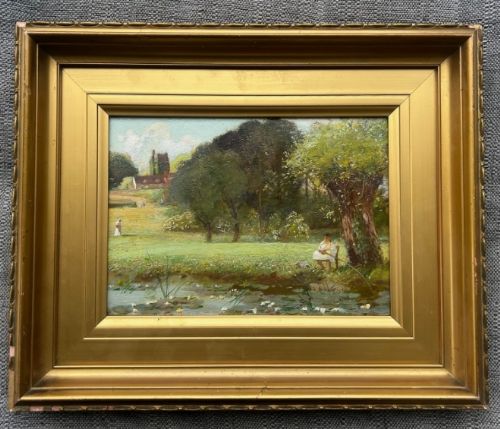


Green Tones Original Artwork
Green tones original artwork brings together pastoral landscapes and quiet interiors rendered in oil paint and watercolour from the Victorian era through the mid twentieth century.
Green Tones Original Artwork
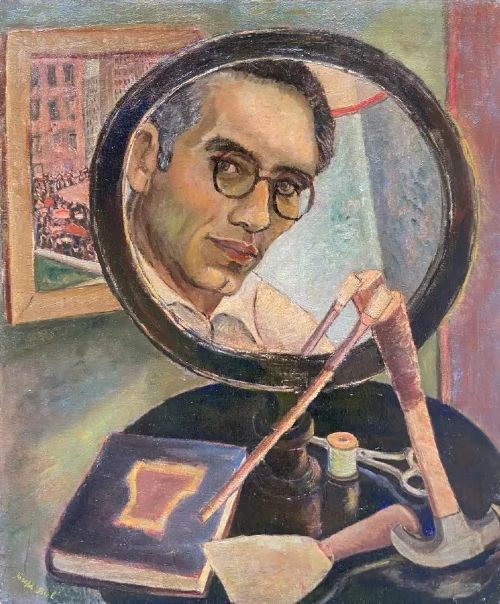
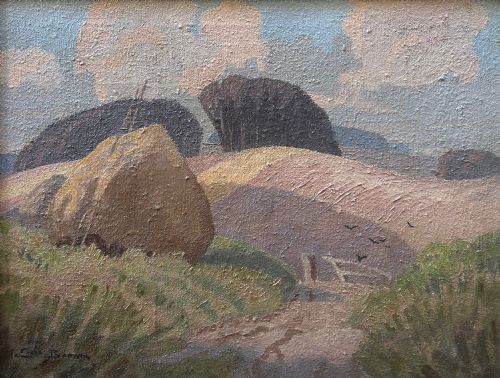
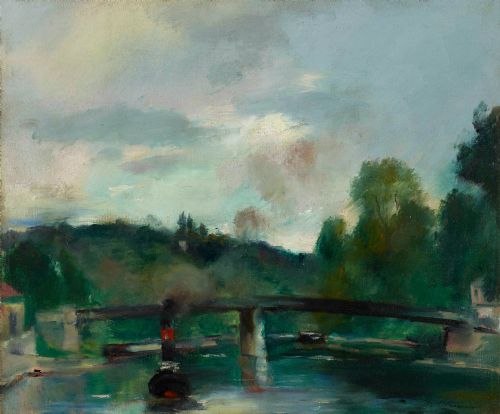
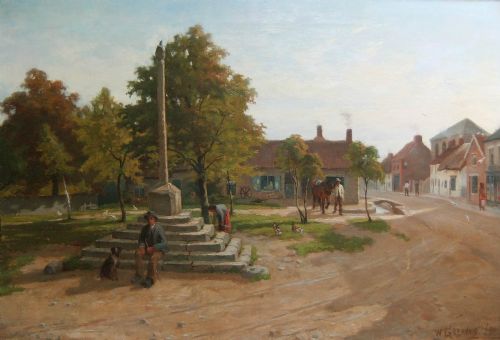
When seeking green tones original artwork, buyers encounter framed paintings executed primarily in oil and watercolour across the nineteenth and twentieth centuries. These works span rural scenes, river views, and cottage gardens produced during the Victorian, Edwardian, and post impressionist periods.
The selection on this page relies heavily on British landscape traditions, including depictions of Yorkshire farmyards, Scottish highlands, and southern waterways. These paintings demonstrate how artists captured foliage, pastures, and wooded riverbanks using subtle palettes rooted in natural hues.
How these pieces were made
Makers applied oil paint to stretched canvas, wooden panels, or board, building up rich surfaces that capture the texture of rural subjects. Watercolours were worked on paper, allowing translucent washes to define damp meadows, river mist, and overcast skies.
Pigments were mixed to achieve varied shades of viridian, olive, and sage, reflecting the natural light of British and French countryside settings. Many works retain their period frames, constructed from wood and gilded plaster to complement the composition.
Several sheep, cows, and a solitary horse appear patiently embedded in the pastoral greens.
What varies in quality
The distinction between standard works and exceptional examples lies in the confidence of the brushwork and the management of light within the composition. Masterful pieces use tonal shifts to create genuine depth in dense foliage and distant hills, whereas lesser examples rely on flat applications of pigment.
Provenance and artist reputation further differentiate the collection, with works by recognised members of regional art schools or royal institutes commanding greater artistic interest. The preservation of the original paint surface and the harmony of the palette remain central to overall merit.
Tom Campbell·Joseph Biel·Eric Brown·Henri Ottmann·William Greaves·Oswald Garside·James Tower·Sir David Murray·William JB Jenkins·Ernest Higgins Rigg·Reginald Grange Brundrit·James Orrock·Kershaw Schofield·Sidney James Beer·Fred Stead·John Edward Bale·William Manners·Henry Charles Fox·Thomas James Lloyd·Owen Bowen·John Sowden·Charles Henry Harrison Burleigh·Thomas Pyne·Frederick J Knowles·John Abernethy Lynas-Gray
The Green Tones Original Artwork Glossary
- Watercolour
- A painting method where fine pigment is suspended in a water soluble binder and applied to paper. This technique produces translucent effects well suited to depictions of open skies and wet weather.
- Canvas
- A heavy woven fabric used as a surface for oil painting. It is stretched tightly over a wooden frame before work begins.
- Wood Panel
- A solid wooden support used by artists in place of canvas. Panels provide a rigid base that prevents the cracking sometimes seen in older oil paintings.
- Impressionism
- An art movement focused on capturing the visual impression of a moment, particularly shifting light and natural colour. Practitioners often painted outdoors to observe environmental effects directly.
- Barbizon School
- A French art movement emphasising landscape realism and atmospheric effects painted directly from nature. Artists associated with this group influenced later pastoral painting across Europe.
Green Tones Original Artwork: Frequently Asked Questions
What periods do these paintings come from?
The available works date primarily from the late nineteenth century through the mid twentieth century, encompassing Victorian, Edwardian, and later modernist movements.
Buyers will find examples spanning from the eighteen eighties up to the nineteen fifties, reflecting shifting approaches to landscape and rural genre painting.
How should I hang an oil painting?
Oil paintings on canvas or wood panel benefit from stable indoor environments away from direct sunlight and damp walls. Secure picture hooks rated for the weight of the frame must be screwed directly into wall studs or masonry.
Keep pieces clear of direct heat sources such as radiators to prevent the wooden frames and canvas supports from warping over time.
Are watercolours sensitive to light?
Works on paper executed in watercolour are susceptible to fading when exposed to direct, strong sunlight over extended periods. Framing them behind UV protective glass helps preserve the original pigment tones.
Positioning these pieces on walls that receive indirect ambient light ensures they remain vibrant for generations.
What is British Impressionism?
British Impressionism refers to the adoption of continental en plein air techniques by British artists working around the turn of the twentieth century. These painters focused on local rural views, coastal scenes, and atmospheric weather conditions.
Their brushwork became looser and brighter, prioritizing the overall visual effect of light on landscape over rigid academic detail.