




Green Painted Wall Panels
Green painted wall panels bring rich pigment and historic character straight to a room, offering an immediate focal point built on layers of oil, wood, and age.
Green Painted Wall Panels
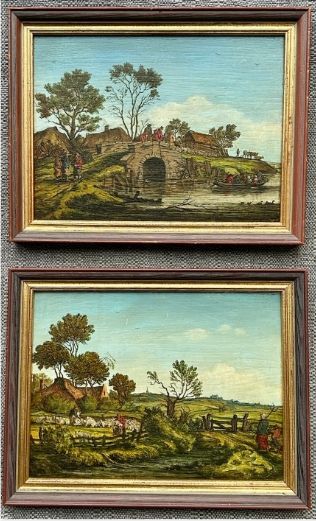
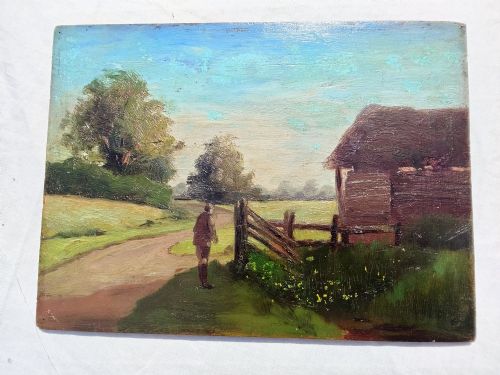
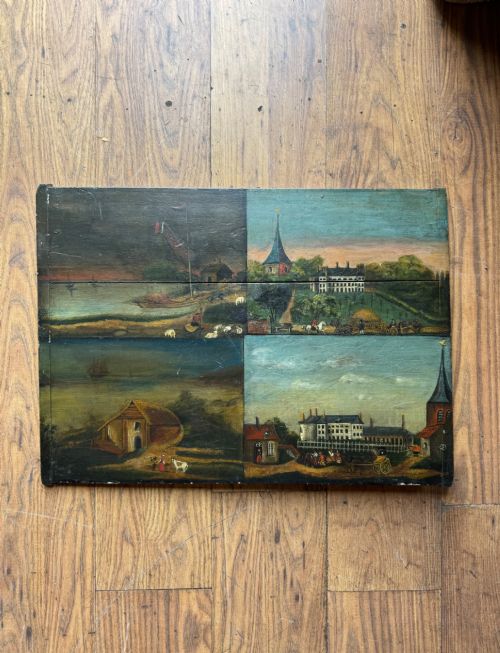
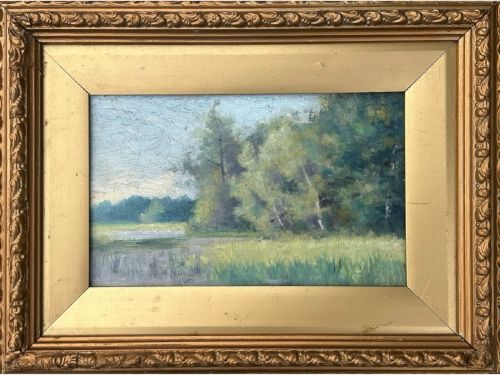
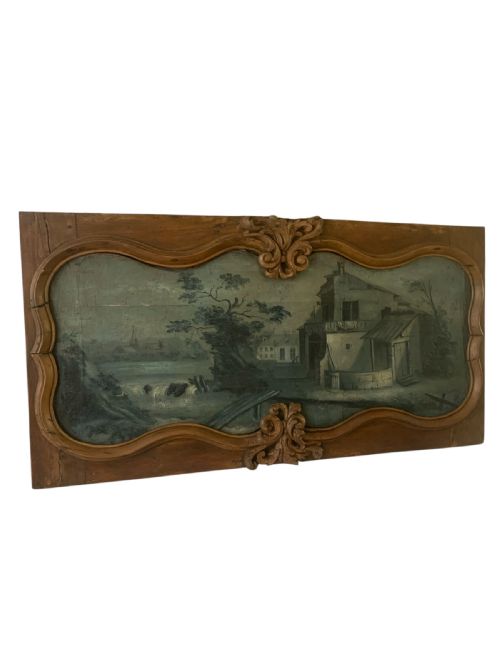
Buyers seeking green painted wall panels encounter a diverse assortment of painted surfaces, ranging from 19th-century wooden board landscapes and architectural fragments to mid-20th-century decorative panels. The selection spans British, French, and Asian origins, capturing everything from provincial naive folk art to formal Flemish styles and Louis XV rococo influences.
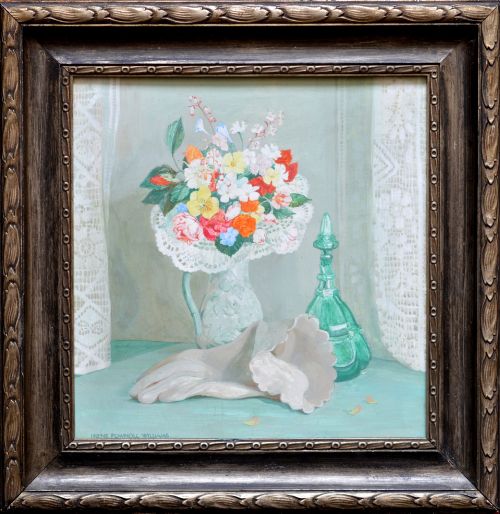
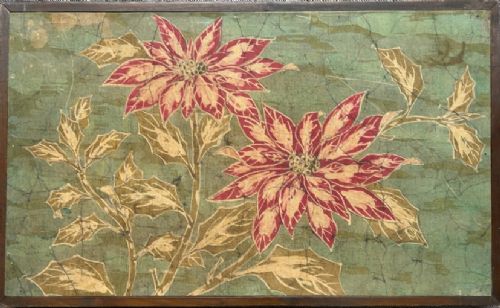
Most pieces on this page manifest as oil paintings executed directly on wood panels or boards, alongside textiles, glass, and canvas works carrying painted or printed pigment. These items frequently originate from the Victorian era up through the 1950s, embodying domestic landscapes, still lifes, and fairground elements.
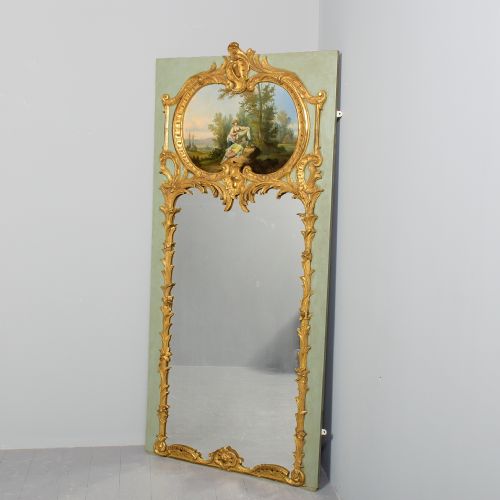
The assortment includes specialised architectural fixtures such as trumeau mirrors, overdoor decorations, and carousel segments that functioned originally as permanent interior fittings. Such items merge utility with fine art, presenting verdant tones and weathered paint layers accumulated over generations.
Materials and construction methods
Makers utilised solid wood panels, wooden boards, and canvas as the primary foundations, applying traditional oil paint and tempera directly to the prepared surfaces. These organic substrates interact with the overlying pigments over decades, creating stable yet subtly textured grounds.
Green Painted Wall Panels Retail Price Guide 2026
Typical asking prices for green painted wall panels among the pieces listed under this phrase on Sellingantiques today, from the lower quarter to the upper quarter. They describe what is for sale here now, not the wider market.
Listings incorporate items spanning from the Victorian era and the 19th century through the 1950s, utilising wood, oil paint, canvas, glass, and cotton.
Factors that separate the range
Quality rests heavily on the deftness of the brushwork and the structural integrity of the underlying panel or board. Skilled hands achieve depth and balance in composition, whereas lesser examples rely on stiff repetition or lack spatial harmony.
The preservation of the original paint surface dictates the distinction between ordinary and exceptional specimens. Original pigment layers showing honest weathering carry greater visual coherence than clumsy modern overpainting.
Tom Campbell·W Klombeck·Maud Raphael Jones·Hubert Wellington·Edouard Julien·John Gilbey Bowles·Charles Cameron Baillie·Kershaw Schofield·H Desprez·Richards Rubin·Henri Joseph Harpignies
The Green Painted Wall Panels Glossary
- Oil on panel
- A painting executed using oil-based pigments directly onto a wooden board or panel rather than stretched canvas. This method provides a rigid and durable support that often preserves fine brushwork exceptionally well.
- Trumeau mirror
- An antique decorative wall mirror featuring an upper painted panel or carved artwork integrated into the frame above the glass. Originating mainly in France, these architectural pieces adorned formal drawing rooms.
- Architectural salvage
- Elements rescued from buildings slated for alteration or demolition, including painted panels, overdoors, and carved woodwork. These items retain the original decorative scheme of historic interiors.
- Tempera
- A permanent, fast-drying painting medium consisting of coloured pigment mixed with a water-soluble binder material such as egg yolk. It produces a matte surface with lasting colour stability.
- Chinoiserie
- A European artistic style reflecting Chinese aesthetic influences, characteristically featuring whimsical scenes, figures, and foliage rendered in paint or lacquer. It gained widespread popularity during the 18th and 19th centuries.
Green Painted Wall Panels: Frequently Asked Questions
Where were green painted wall panels originally hung?
These pieces typically decorated period drawing rooms, dining spaces, or specialised commercial interiors such as ship liners and fairgrounds. Architectural panels often functioned as permanent fixtures above doors or integrated directly into wall moulding.
Freestanding panel artworks and textiles served as mobile decorative focal points within wealthier homes. Their placement depended entirely on the specific format, whether an overdoor, a carousel segment, or a framed landscape.
How do I hang a heavy wooden panel safely?
Hanging wooden board and panel art securely requires locating wall studs or employing heavy-duty plaster anchors rated for substantial weight. Because wood panels lack the give of stretched canvas, stable hardware is essential.
Using a robust French cleat system distributes the load evenly across the top edge of the panel. This prevents warping and ensures the heavy wooden support remains flush against the wall.
Can I clean an antique painted wood panel?
Routine maintenance should be limited to very gentle dusting with a soft, dry cloth to remove surface particles. Moisture and harsh cleaning agents can strip historic oil paint and damage vulnerable wood substrates.
Professional conservators should handle any deep cleaning or stabilization of flaking pigment. Attempting to wash antique paint layers independently risks permanent loss of the original finish.
How do I distinguish 19th-century panels from later copies?
Examining the reverse side of the wood panel often reveals period tool marks, ageing patterns, and hardware consistent with older manufacturing methods. 19th-century boards generally display natural shrinkage, oxidation, and stable patination.
Stylistic cues within the brushwork and pigment composition also provide reliable chronological markers. Signatures, framing techniques, and material wear collectively verify the actual age of the piece.