
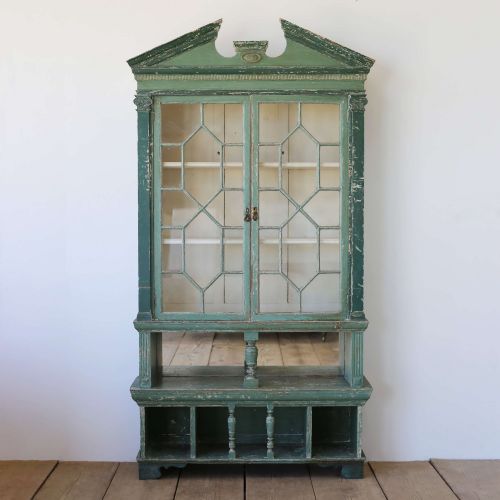
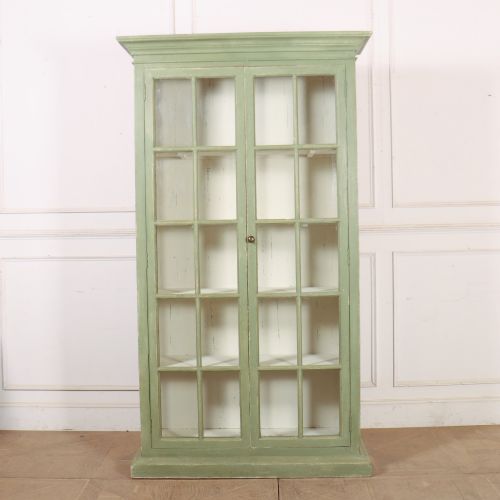




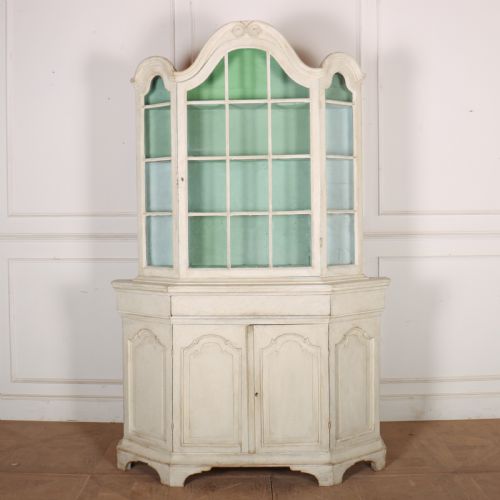

Green Painted Glazed Bookcase
A green painted glazed bookcase brings soft colour and visible books together, making it a natural centrepiece for a period room.
Green Painted Glazed Bookcase
A green painted glazed bookcase combines fitted shelving behind glass doors with durable wooden construction, forming a practical piece for storing and displaying volumes. The listings show forms ranging from tall nineteenth century examples to lower display cabinets and kitchen dressers with glazed sections.
The aesthetic leans heavily toward country house and provincial traditions, with English, Dutch, French, and Scandinavian origins represented. Buyers encounter painted finishes applied over pine, oak, walnut, or general wood substrates, often paired with glass and brass elements.
Periods span from the eighteenth century through the Victorian era up to Edwardian and nineteen twenties productions. Pieces frequently adopt styles such as English Country, Dutch Rococo, and French Provincial, suiting interiors that favour timeworn painted surfaces over heavy dark polish.
How they were made
Construction relies primarily on sturdy timbers like pine, oak, and walnut, shaped into large carcases, shelving units, and cupboard bases. Wood panels are joined to support heavy loads of books or display items, while glass panes are fitted into doors to protect the contents.
Surface treatments involve layers of paint applied to wood, creating the characteristic green painted finish seen across the inventory. Brass hardware such as hinges and handles is integrated to secure doors and drawers.
Listings span the eighteenth century to the twentieth century, utilising pine, oak, walnut, and glass across English, Dutch, French, and Scandinavian styles.
What varies in quality
The character of the painted finish determines much of the visual appeal, ranging from soft patinated layers built up over decades to later repainting. Original structural integrity in the timber frame and the clarity of the glazed door panels also differentiate standard utility pieces from finer cabinet work.
Proportion and stylistic detailing set individual pieces apart, particularly where regional provincial maker traditions incorporate curved glass, classical cornices, or distinctive hardware. The balance between the glazed upper section and the lower cupboard or drawer storage dictates the overall harmony of the design.
The Green Painted Glazed Bookcase Glossary
- Glazed
- Fitted with glass panes in the doors. This allows books or display objects to remain visible while protected from dust.
- Vitrine
- A glass-fronted cabinet designed for displaying objects. These often feature finer proportions than standard utility bookcases.
- Dresser
- A dual-purpose piece combining lower cupboards or drawers with upper shelving. Some regional variants incorporate glazed doors to the upper section.
- Cornice
- The decorative moulding crowning the top of a cabinet. It provides a finished architectural transition to the ceiling.
- Carcase
- The main structural body or frame of a piece of furniture before doors and shelves are fitted. It determines the overall stability and weight.
Green Painted Glazed Bookcase: Frequently Asked Questions
How do I clean the painted finish?
Dust gently with a dry or slightly damp cloth without chemical cleaners. This protects the historic paint surface from moisture damage.
Avoid abrasive pads that can strip away the aged patina. Gentle maintenance preserves the character of the painted wood.
Are the shelves adjustable?
Some period examples feature fixed wooden shelving integral to the carcase structure. Others incorporate adjustable brackets.
Reviewing the specific build of each cabinet reveals how the interior space is divided. This dictates the size of books or items you can display.
How do I date a painted cabinet?
Construction methods, timber types, and style indicators provide clues to the period of origin. Nineteenth century pieces often use heavy pine or oak framing.
Hardware styles and the nature of the paint layers also offer context. Comparing these elements with documented regional furniture helps narrow the timeline.
Can these hold heavy books?
Solid wood carcases in pine, oak, or walnut provide substantial weight-bearing capacity for libraries. The thickness of the timber shelves is the main factor.
Sturdier eighteenth and nineteenth century examples handle heavy volumes with ease. Lighter decorative cabinets suit smaller collections.