




Green Painted Doors
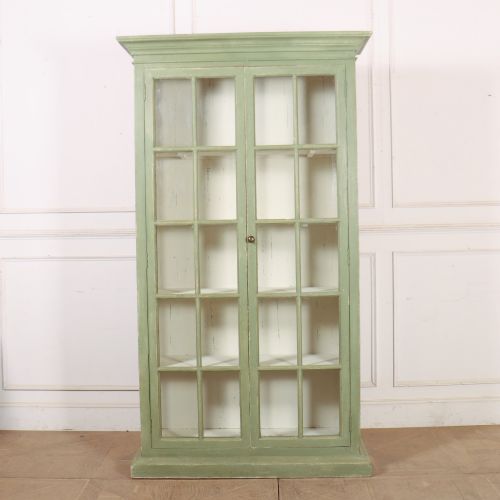
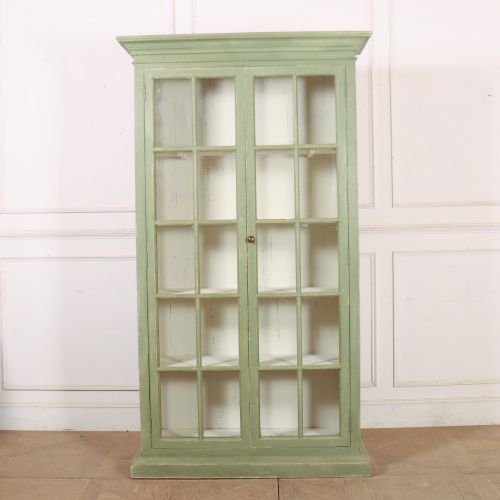
Green painted doors bring architectural character and weathered colour into a room, offering functional division with a distinct period palette.
Green Painted Doors
Green painted doors appear across multiple periods, including the Georgian era, Victorian period, and early twentieth century, alongside related architectural elements like overdoor panels. These pieces span various European origins, incorporating English country, French provincial, and Scandinavian country styles.
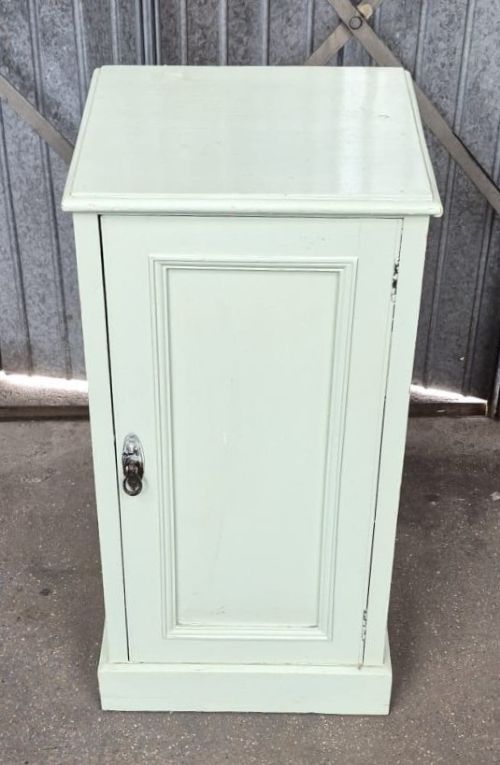
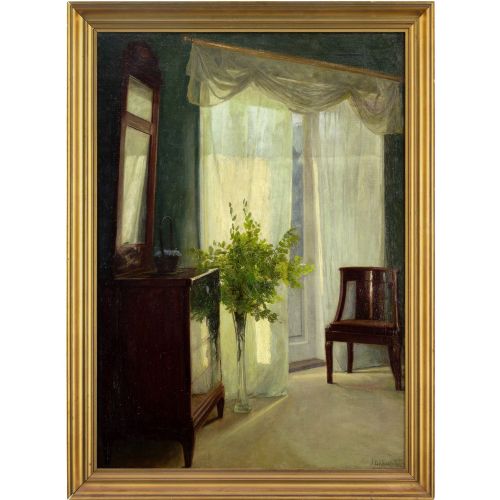
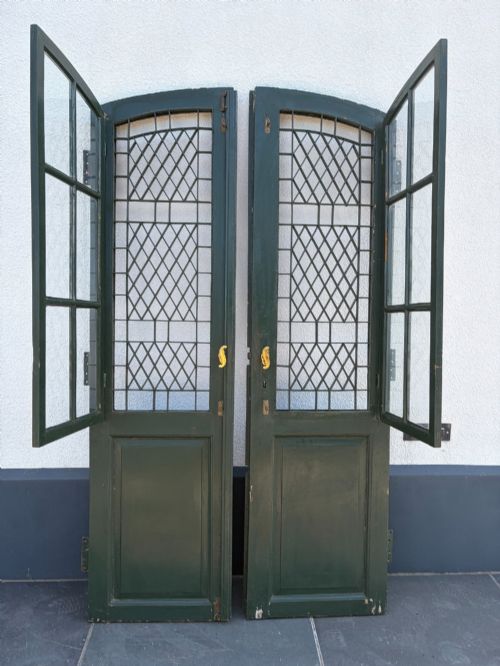
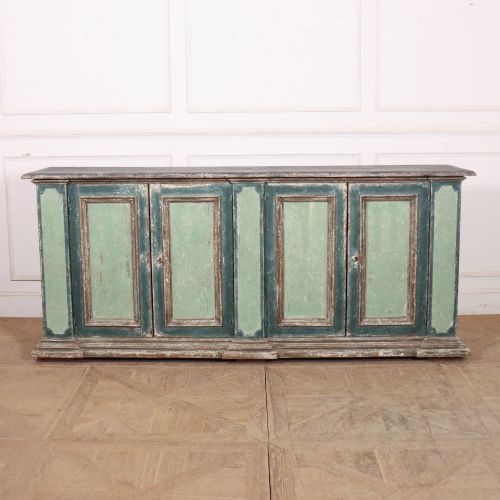
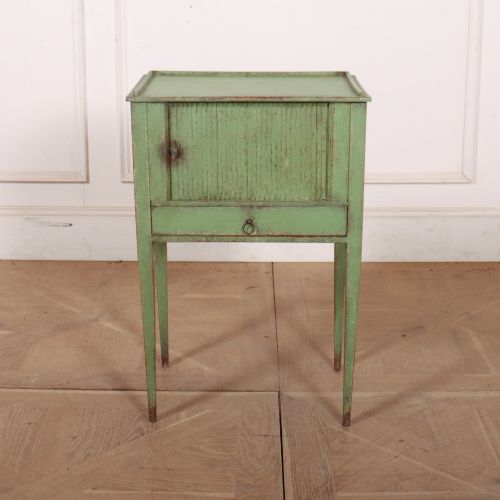
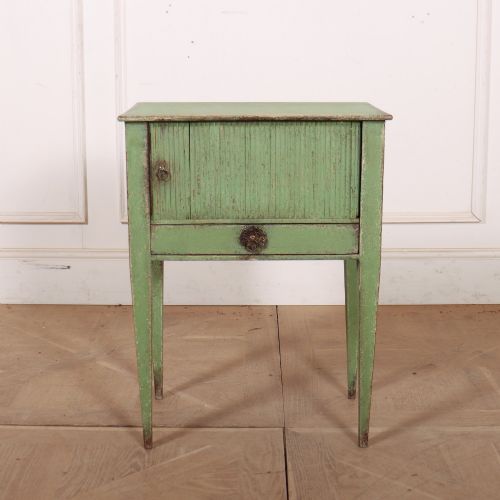
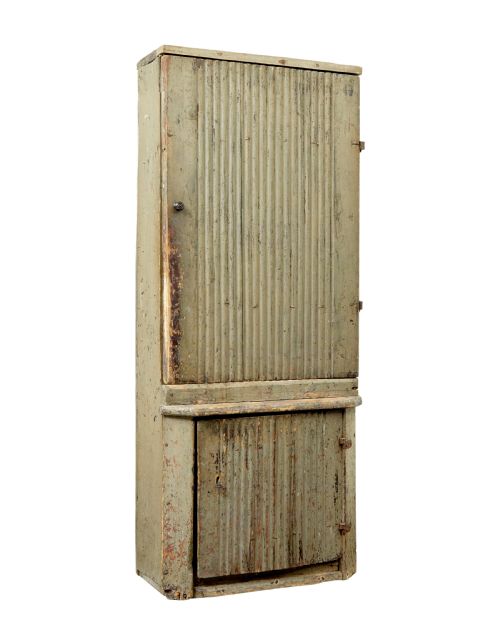
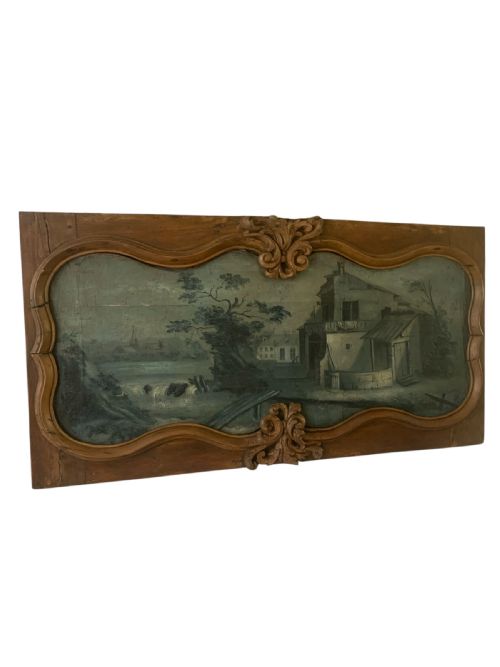
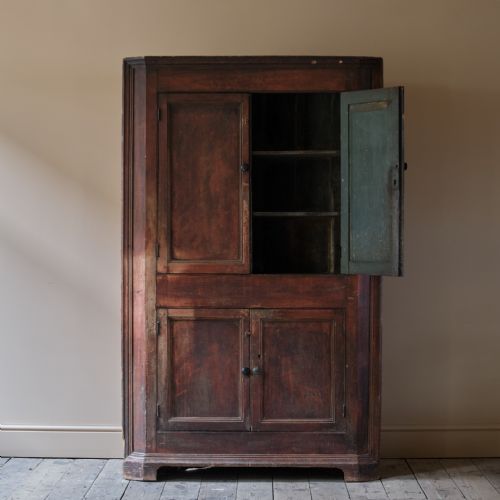
Buyers seeking green painted doors will find items ranging from French arched top pairs to English housekeepers cupboards and Swedish hall wardrobes featuring painted wood finishes. The selection also includes paintings depicting doorways and domestic scenes, alongside functional items such as glazed bookcases and sideboards sharing the same palette.
Materials and Construction
Pine and general wood form the primary structural material for these cupboards, wardrobes, and doors, often paired with applied layers of historic paint. Iron and brass hardware such as hinges and handles frequently accompany the timber construction.
Makers utilised glazing for display cabinets and bookcases, while specific items incorporate canvas and oils for painted panels and artworks depicting doors. Construction techniques reflect regional vernacular traditions across English, Scandinavian, and continental workshops.
Green Painted Doors Retail Price Guide 2026
Typical asking prices for green painted doors among the pieces listed under this phrase on Sellingantiques today, from the lower quarter to the upper quarter. They describe what is for sale here now, not the wider market.
Assessing Quality and Authenticity
Quality rests in the integrity of the original painted surface and the honesty of the timber beneath, distinguishing untouched vernacular pieces from later decorative re-working. The depth of the colour and the natural wear on pine and painted wood contribute significantly to the visual merit of each item.
Structural joinery, such as the framing of arched top doors and the fitting of panel work, separates standard utility items from finer cabinetmaking. The proportion and balance of the piece, whether a tall wardrobe or a compact cupboard, dictate its architectural presence.
John Lübschitz·Harry Freckleton·Kershaw Schofield·Ralph Hedley RBA·Melissa White·John F. Pasmore
The Green Painted Doors Glossary
- Overdoor panel
- A decorative painted canvas or wood panel designed to sit directly above a doorway. These works often feature pastoral or architectural scenes.
- Housekeepers cupboard
- A large storage piece traditionally used in country houses for linens and dry goods. They usually feature multiple doors and internal shelving.
- Breakfront
- A piece of furniture where the central section projects forward from the flanking sections. This configuration adds depth and architectural weight to dressers and bookcases.
- Glazed bookcase
- A cabinet fitted with glass panelling in the doors to display books while protecting them from dust. These often date from the nineteenth century.
Green Painted Doors: Frequently Asked Questions
What periods do green painted doors come from?
The pieces span the eighteenth, nineteenth, and early twentieth centuries. Examples range from Georgian panels to Edwardian cupboards and 1920s French doors.
Craftsmanship and paint finishes vary across these decades, reflecting the shifting domestic fashions of English, French, and Scandinavian workshops.
How were large cupboards used historically?
Large cupboards and linen presses provided essential storage in country houses and farmhouses before fitted wardrobes became common. They held household textiles, garments, and provisions.
Their substantial timber frames and painted finishes allowed them to withstand daily use while adding colour to domestic interiors.
How do I care for antique painted wood?
Protect antique painted surfaces by keeping them away from direct sunlight and maintaining stable room humidity. Gentle dusting with a dry cloth preserves the fragile historic finish.
Avoid using modern chemical cleaners or abrasive polishes which can strip away the original layers of pigment.
How do I distinguish regional styles?
Regional pieces show distinct characteristics through their timber choice, mouldings, and specific tones of green paint. Scandinavian and Dutch examples often display lighter, brighter palettes.
English country pieces tend to rely on heavier pine construction and deeper, more muted shades accumulated over generations of use.