


Green Oil Wall Art
Green oil wall art brings together centuries of painted canvases and wood panels capturing landscapes, portraits, and still lifes.
Green Oil Wall Art
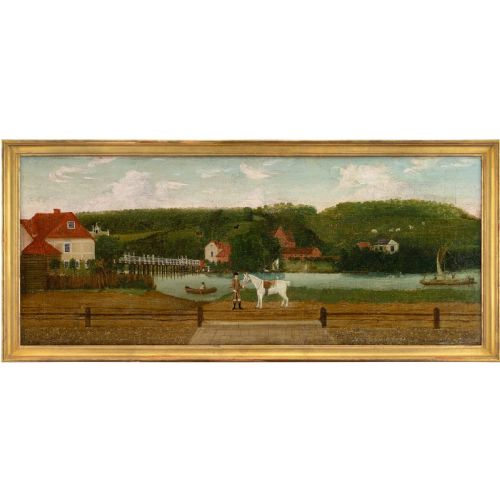
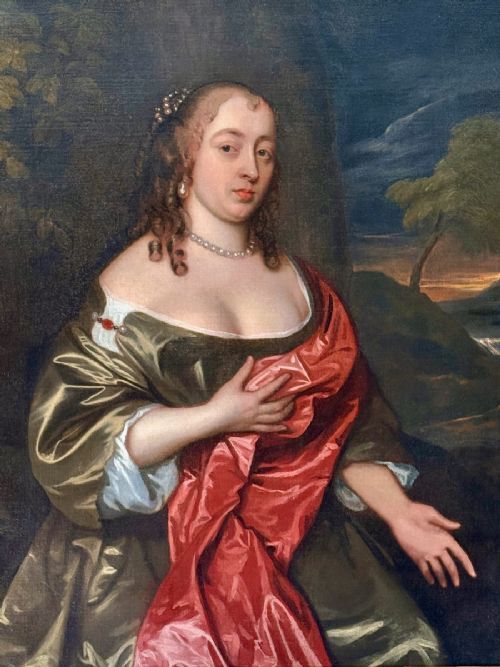
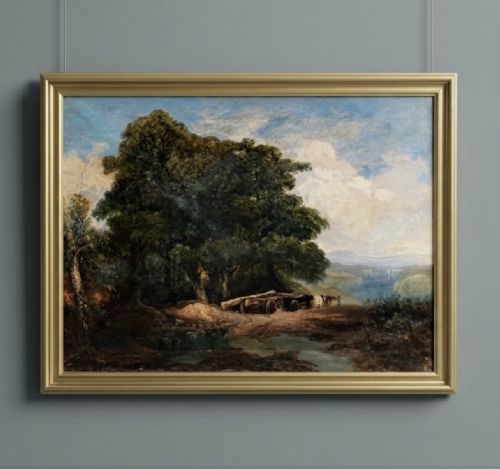
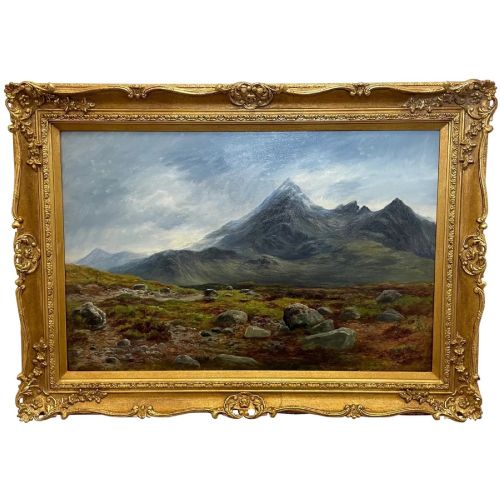
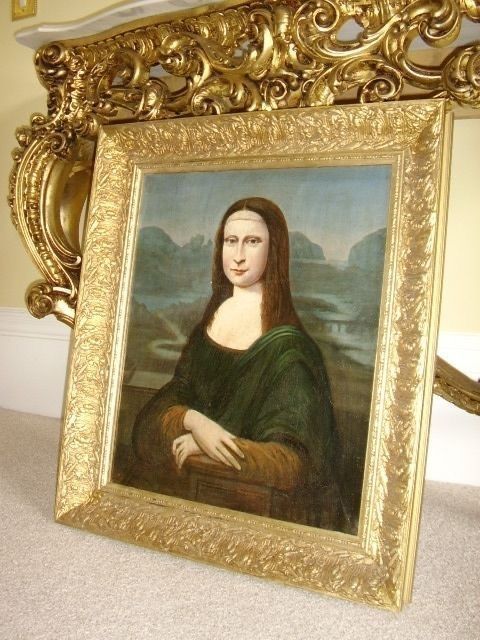
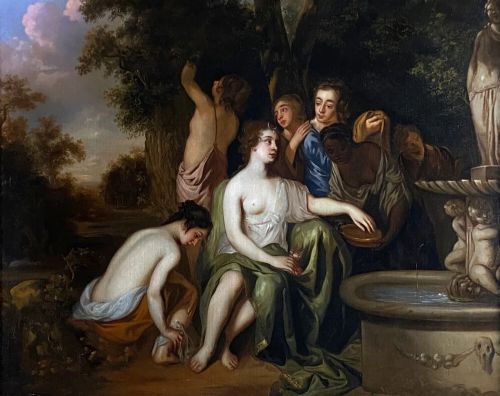
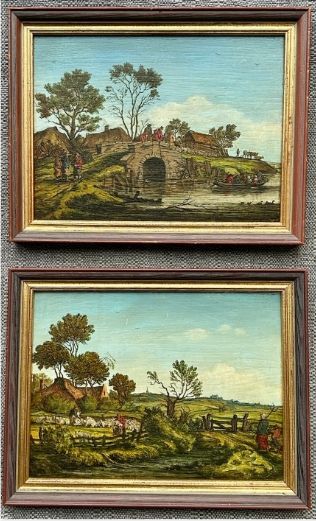
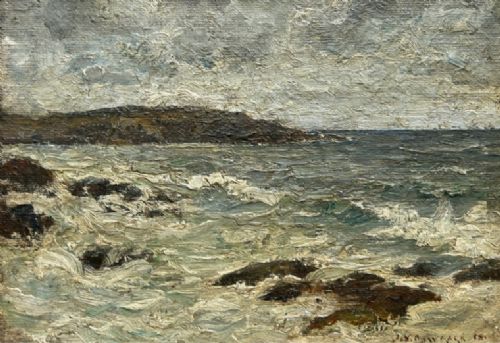
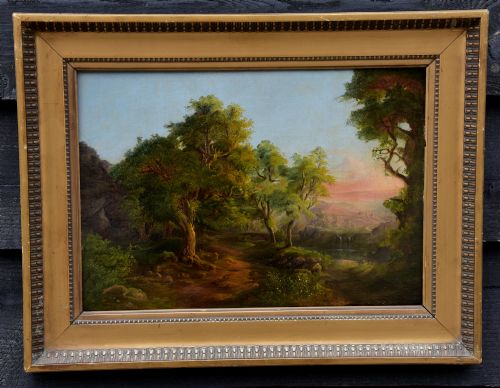
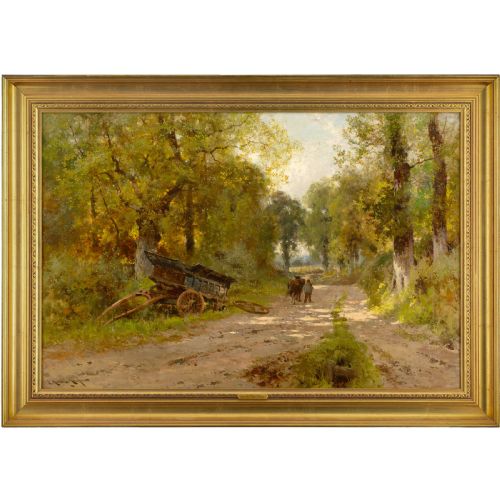
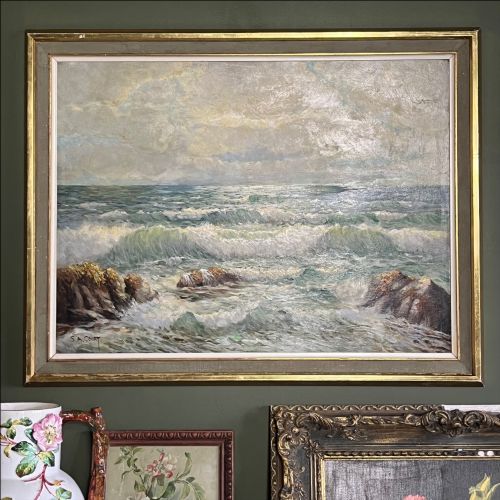
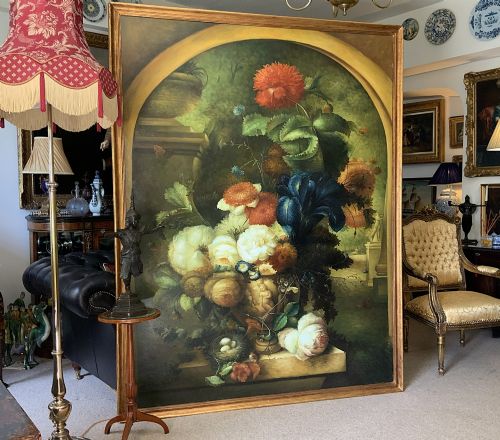
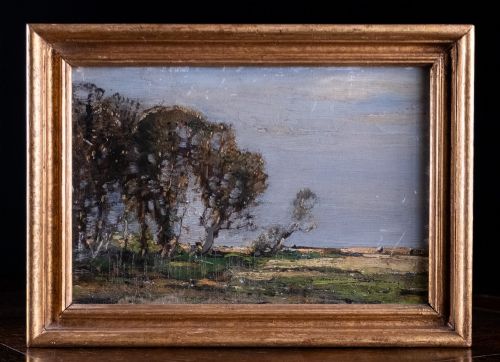
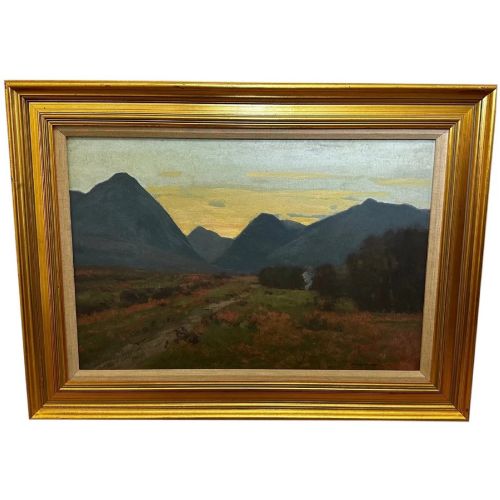
Green oil wall art covers oil paintings executed across the seventeenth, eighteenth, nineteenth, and twentieth centuries, spanning periods from the Victorian era to mid-century modernism. These works take the form of framed paintings, fine art panels, and canvas compositions showing landscapes, maritime scenes, and still lifes.
The pieces encountered on this page range from British Impressionism and Post-Impressionism to Baroque and Naive Art traditions. Subjects stretch from tranquil rural scenes and coastal views to floral still lifes and classical portraits.
Makers and schools represented include British, French, Flemish, and Dutch artists working in oil on canvas, board, and wood panel. Buyers find everything from intimate pastoral studies to monumental decorative canvases.
Materials and construction
These works are painted primarily using oil paint applied to prepared surfaces of woven canvas, rigid wood panels, or sturdy board. Pigments bound in drying oils allowed artists to build rich textures, subtle tonal gradations, and deep verdant hues.
Many surviving examples retain their original gilt or wooden frames, which protect the edges of the canvas and complement the painted surface. Painters utilised brushwork ranging from smooth academic blending to thick, expressive impasto applications.
Judging quality in painted works
Quality rests upon the confidence of the brushwork, the stability of the pigment layer, and the fidelity of the composition. Masterful handling of light and shadow distinguishes accomplished academic and impressionist works from simpler provincial pieces.
The condition of the painted surface, the presence of original framing, and the clarity of the artist's touch determine the distinction between standard decorative works and significant fine art examples.
John Hayls·Richard Sebastian Bond·William Beattie-Brown·William H Myers·Tom Campbell·John Horace Hooper·Sidney A Court·Kershaw Schofield·George Houston·Herbert Royle·Robert Morson Hughes·Thomas W Lascelles·Gabriel Mathieu·David Bates·Charles Houben·Walter Heath Williams·Mark Ingram·Antonio DeVity·Konstantin Stoitzner·James Howe
The Green Oil Wall Art Glossary
- Impasto
- Paint applied thickly to a canvas or panel, standing out in relief from the surface so that the brush or palette knife marks remain visible.
- En plein air
- Painting outdoors to capture the direct effects of natural light and atmosphere upon the landscape.
- Impressionism
- A nineteenth-century art movement characterised by relatively small, thin, yet visible brush strokes and an emphasis on accurate depiction of light.
- Post-Impressionism
- A predominantly French art movement that developed from about 1886 to 1905, extending Impressionism while rejecting its limitations.
- Gilt
- Covered thinly with gold leaf or gold paint, frequently seen on the decorative frames enclosing these historic paintings.
Green Oil Wall Art: Frequently Asked Questions
What periods do these paintings come from?
The selection spans several centuries, starting from seventeenth-century works and moving through eighteenth-century portraits and nineteenth-century Victorian landscapes. Twentieth-century pieces extend into the nineteen-sixties with modernist and post-impressionist examples.
This chronological spread allows collectors to choose between seventeenth-century classical subjects, nineteenth-century pastoral scenes, and mid-century coastal views.
How should I hang and care for oil paintings?
Oil paintings on canvas or wood need stable indoor environments away from direct sunlight and extreme humidity fluctuations. Hanging them securely on sturdy wall fixings protects both the canvas and any period gilt frame.
Dusting should be done gently with a soft, dry brush, avoiding water or chemical cleaners on the painted surface.
What is the difference between canvas and panel paintings?
Canvas works involve woven fabric stretched across a wooden frame, offering flexibility and a textured surface for the oil paint. Wood panels and boards provide a rigid support that often allows for finer detail and different ageing characteristics.
Both supports have been utilised across centuries, with panels frequently appearing in earlier or smaller provincial works.
How do I identify different regional art styles?
British Impressionist and Scottish landscape works often focus on moody skies, coastal waters, and rural Highlands using natural palettes. Continental European pieces, including French and Dutch examples, frequently lean towards brighter en plein air lighting or structured floral still lifes.
Examining the subject matter, handling of light, and framing style helps determine the regional school of the artist.