




Antique British Canvas Art
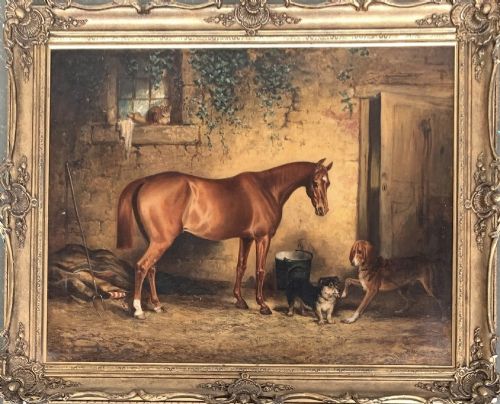
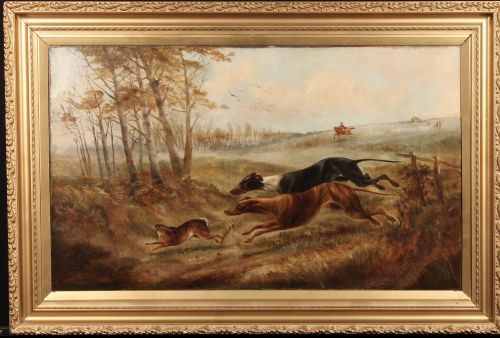
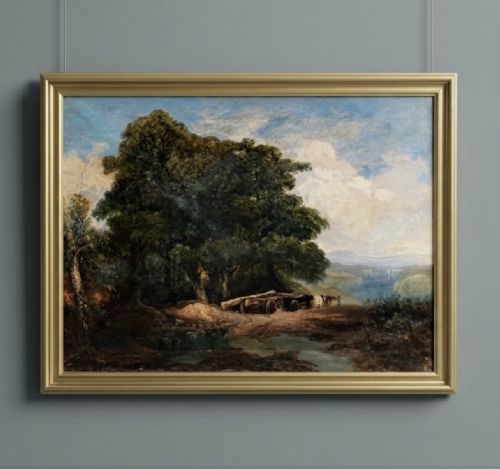
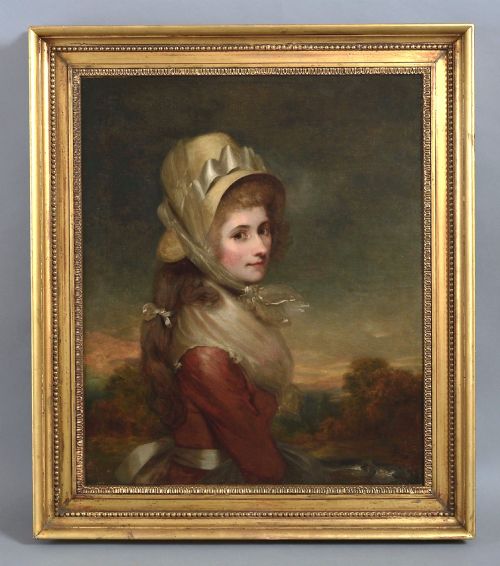
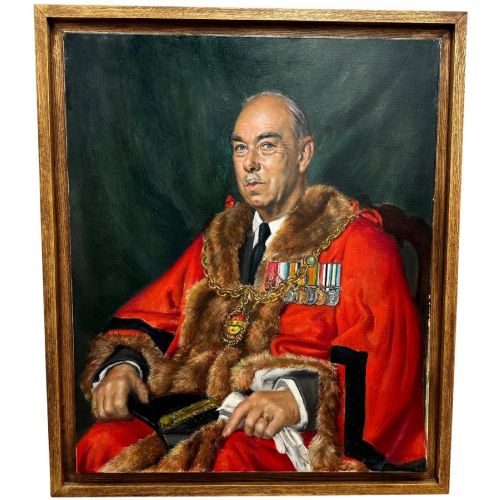
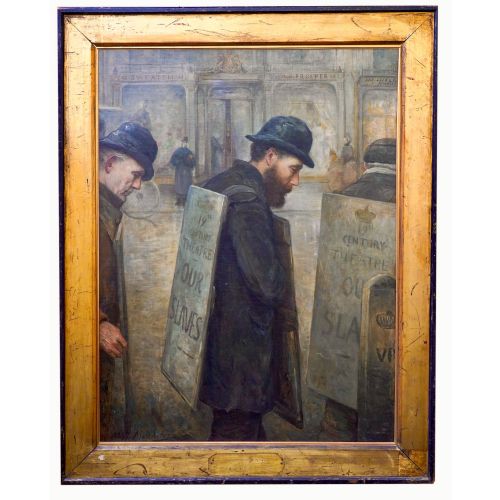
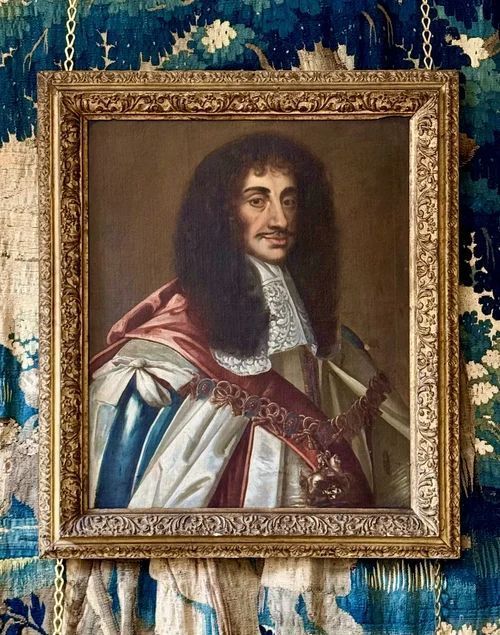
When you search for antique british canvas art, you encounter centuries of oil paintings stretched across fabric and housed within timber frames.
Antique British Canvas Art
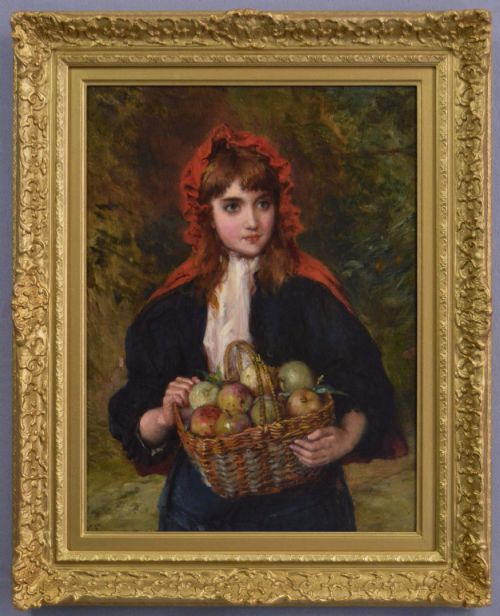
When searching for antique british canvas art, buyers encounter oil paintings executed on woven textile supports originating from the seventeenth century through to the early twentieth century. The selection spans distinct genres including formal portraiture, romantic landscapes, pastoral scenes, and maritime subjects.
The most common formats met on this page are nineteenth-century and Victorian works, alongside eighteenth-century portraits and earlier seventeenth-century depictions. These pieces typically present oil paint applied to canvas, often retained within period wood and giltwood frames.
How they were made
The physical objects rely on oil paint applied to stretched canvas supports, fixed to wooden strainer frames using iron or handmade tacks. Preparatory layers of gesso often seal the fabric before the artist applies pigment.
Finished surfaces frequently sit within decorative frames constructed from wood, embellished with moulded gesso, and finished with gold leaf or metallic gilding.
Several portraits capture subjects distracted by domestic pets, racing pigeons, and baskets of fruit.
What varies in quality
Quality rests upon the confidence of the brushwork, the anatomical or topographical accuracy of the composition, and the prestige associated with the painter or their studio. Works executed by established portraitists or recognised regional schools demonstrate superior draughtsmanship compared to anonymous provincial output.
The preservation of the original canvas surface, the stability of the oil paint layer, and the integrity of the period giltwood frame significantly influence the standing of an individual artwork.
William Oliver·Richard Sebastian Bond·Sir Martin Archer Shee·Bernard Hailstone·Felix Stone Moscheles·William H Myers·George Graham·Valentine T Garland·John Maler Collier·Sir Peter Lely·Charles Jervas·Frederick Marriott·Arthur Wardle·John Opie·John Horace Hooper·Stickland Lowry·Alfred Fontville de Breanski Jr·Thomas Murray·Sir James Campbell·Herbert Royle·Stephen Samuel Lewin·John Rose Miles·Thomas Barker of Bath·Sir Joshua Reynolds·Thomas W Lascelles
The Antique British Canvas Art Glossary
- Oil on Canvas
- A painting medium where pigments are bound with drying oils, applied to a woven fabric support stretched over a wooden frame.
- Giltwood
- Wood that has been coated with a thin layer of gold leaf or gold paint, frequently utilised for ornate picture frames.
- Gesso
- A plaster-like mixture applied to canvas or wood to create a smooth, absorbent surface for oil painting.
- Genre Painting
- The pictorial representation of scenes from everyday life, depicting ordinary people in domestic or public settings.
- Impasto
- Paint applied thickly to a canvas, leaving visible brush or palette knife marks that stand proud of the surface.
Antique British Canvas Art: Frequently Asked Questions
How do I date a canvas painting?
Dating relies upon stylistic markers, costume details in portraits, and technical aspects like the weave of the canvas and the construction of the wooden stretcher frame.
Examine any inscriptions, signatures, or exhibition labels on the reverse of the canvas or the frame, which often provide documentation regarding the creation date.
Where should I hang an oil painting?
Select a wall away from direct sunlight and heat sources such as radiators, which can cause the canvas and paint layers to dry out and crack.
Ensure the room maintains stable humidity levels to protect both the wooden stretcher and the historic fabric support.
What is the difference between a portrait and a genre painting?
A portrait depicts a specific, identifiable individual or group, often commissioned to record likeness and status.
Genre painting illustrates anonymous figures engaged in everyday activities, prioritizing narrative or social commentary over individual identity.
How do I care for antique canvas art?
Dust the surface and the frame gently with a soft, dry brush, avoiding any moisture, cleaning solutions, or pressure on the canvas.
Consult a professional conservator if the paint layer shows signs of lifting, flaking, or heavy surface grime.