


Green Oil on Canvas
Green oil on canvas encompasses centuries of painted portraiture, landscape and still life executed in pigment and oil upon woven fabric.
Green Oil on Canvas
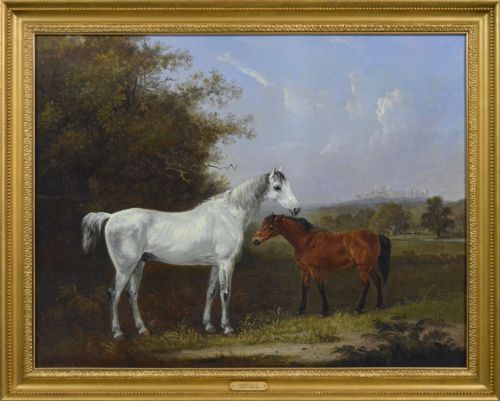
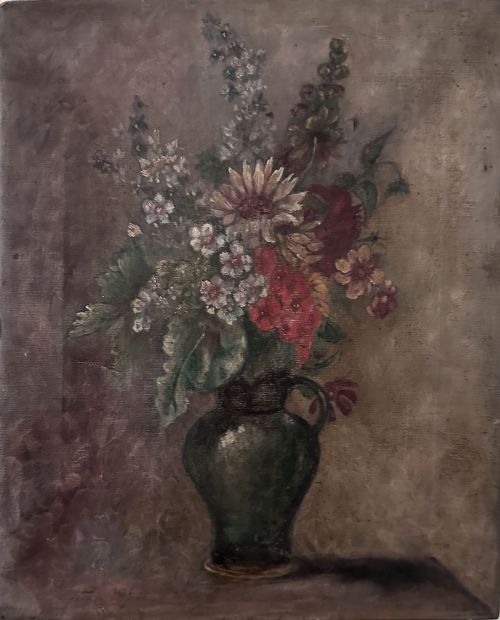
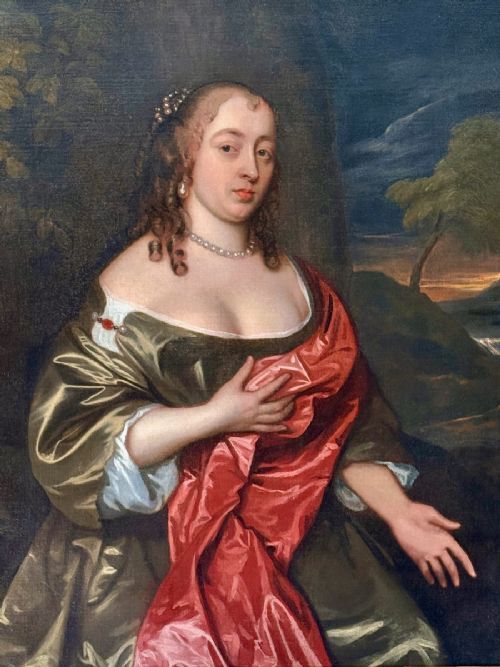
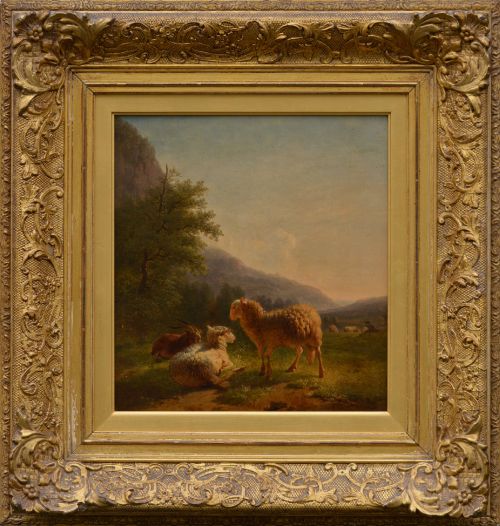
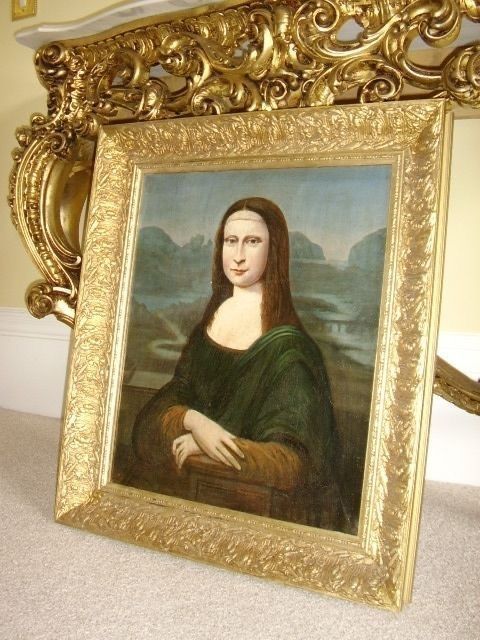
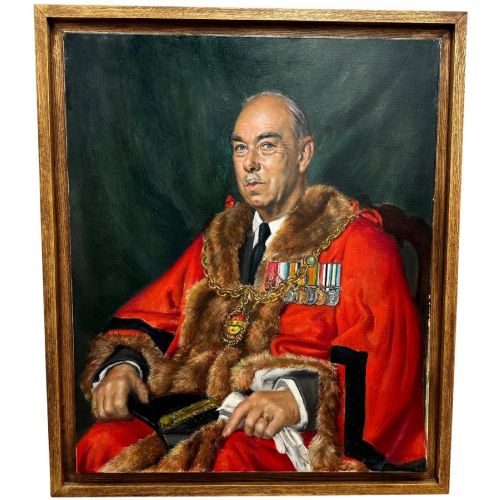
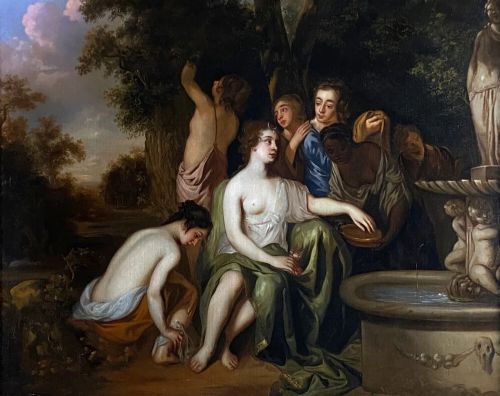
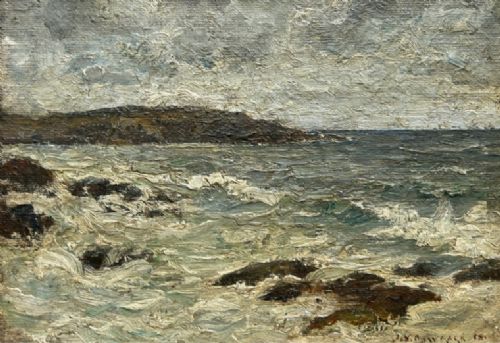
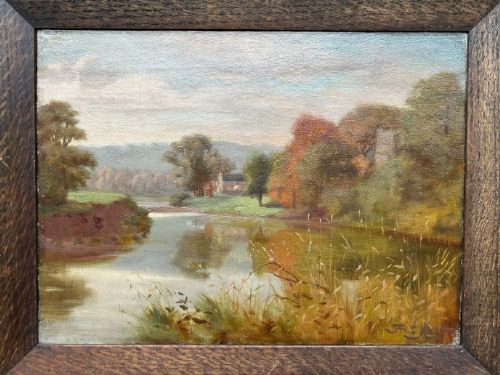
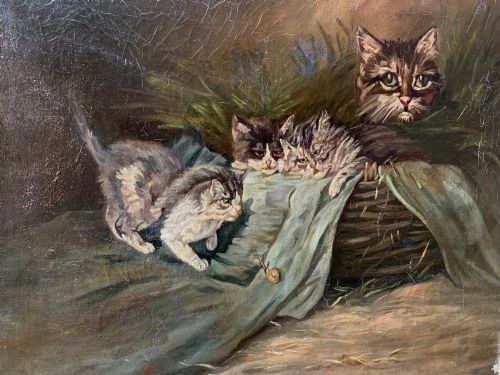
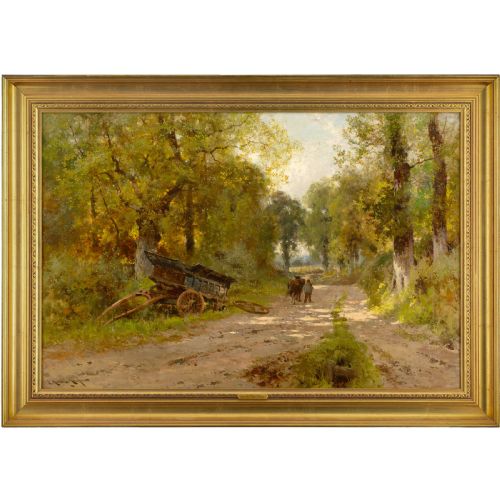
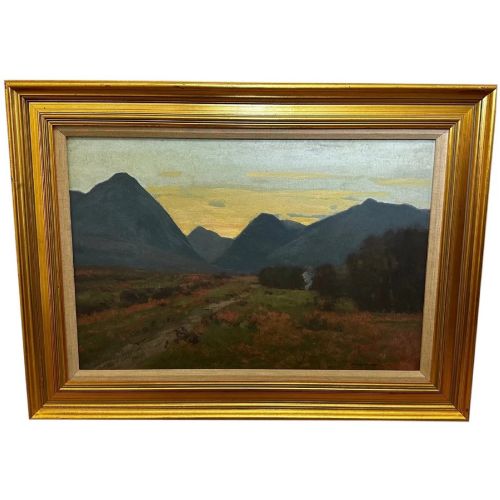
Searches for green oil on canvas direct attention towards historic and mid-century paintings where verdant hues dominate the palette, often through landscapes, botanical studies or portrait subjects adorned in green garments. The examples available span from the seventeenth century through to the mid-twentieth century, capturing varied subjects including woodland scenes, coastal views and formal portraits.
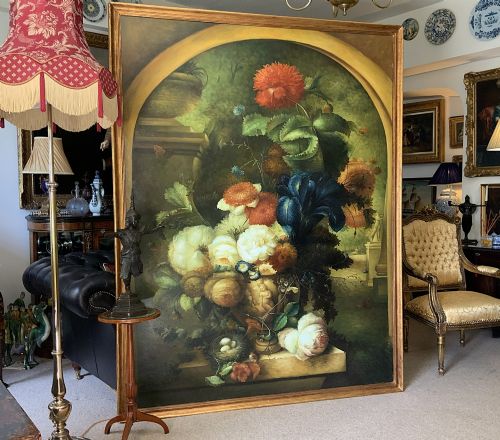
The physical objects range from modest domestic portraits to monumental Dutch style floral still lifes and expansive landscapes. Works emerge from British, French, Italian and Dutch schools, reflecting diverse regional approaches to oil painting across different eras.
Buyers encounter both signed original canvases by named artists and works attributed to specific schools or circles. The forms encompass framed wall art, fine art paintings and decorative canvases.
How they were made
The foundational material is woven canvas stretched over a wooden frame, providing a stable yet flexible surface for the application of paint. Artists built up their compositions using oil paint, which combines powdered pigments with drying oils such as linseed to allow slow blending and rich depth of colour.
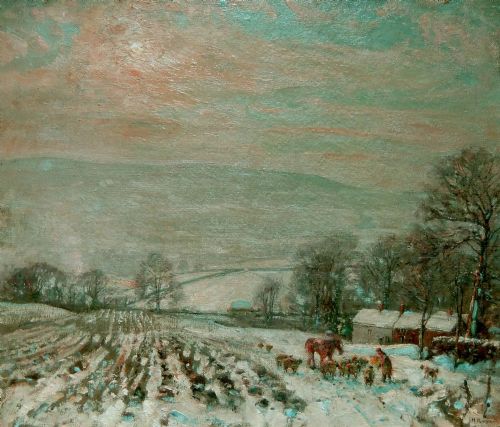
Applied techniques vary from smooth glazes seen in earlier portraiture to textured impasto brushwork found in later impressionist and landscape works. Many pieces retain their original or period frames, frequently constructed from giltwood that accentuates the tones of the canvas within.
Recorded styles include Victorian, Baroque, British Impressionism, and French Post-Impressionism.
What varies in quality
Quality rests primarily in the handling of the medium, the strength of the composition and the preservation of the painted surface over time. Superior works demonstrate confident brushwork, accurate anatomical or botanical proportion and a harmonious balance of light and shadow.
The depth of provenance and the clarity of attribution also influence the standing of a piece. Works executed by documented historic painters or identifiable regional schools carry greater art historical weight than anonymous student copies.
JOHN HAYLS·Eugène Verboeckhoven·Richard Sebastian Bond·William Beattie-Brown·Leonardo Da Vinci·Bernard Hailstone·William H Myers·GEORGE GRAHAM·Sir Peter Lely·Frederick Marriott·John Horace Hooper·George Houston·Herbert Royle·Robert Morson Hughes·Thomas W Lascelles·Gabriel Mathieu·David Bates·William Broome·BENJAMIN BARKER OF BATH·Walter Heath Williams·Mark Ingram·John Lübschitz·Antonio DeVity·Konstantin Stoitzner·Jean-Gabriel Domergue
The Green Oil on Canvas Glossary
- Canvas
- A heavy woven fabric, typically linen or cotton, used as a support surface for oil paintings. It is stretched tightly across a wooden stretcher frame before painting begins.
- Impasto
- A technique where oil paint is laid thickly on the canvas, leaving visible brush or palette knife marks that stand proud of the surface. This method adds tactile three-dimensional depth to the artwork.
- Pentimento
- An alteration in a painting evidenced by visible traces of earlier brushstrokes, showing where the artist changed their mind during the creative process. It serves as an indicator of an authentic, evolving composition rather than a mechanical copy.
- Still life
- A painting genre focused on inanimate subject matter, such as flowers, fruit, fish or tableware. These compositions allow artists to explore light, texture and arrangement within a controlled indoor setting.
- Giltwood
- Wood, such as carved picture frames, coated with a thin layer of gold leaf or gold paint. It provides a decorative and protective border that enhances the visual weight of the canvas.
Green Oil on Canvas: Frequently Asked Questions
How do I care for an oil on canvas painting?
Keep the canvas away from direct sunlight, damp environments and extreme temperature fluctuations to prevent the oil paint from cracking or warping. Dust the surface very gently with a soft, dry brush without applying pressure.
Avoid using water, chemical cleaners or damp cloths on the painted surface. Professional conservators should handle any deep cleaning or structural repairs to the canvas or wooden stretcher.
What is the difference between a portrait and a landscape?
Portraits focus on capturing the likeness, status and personality of human subjects, often incorporating detailed clothing and interior or outdoor backgrounds. Landscapes celebrate natural scenery, topography, weather and rural environments.
Both genres utilise oil on canvas, but landscapes emphasise atmospheric light and spatial depth, whereas portraits concentrate on facial expression and character.
How can I tell the age of an oil painting?
Examine the weave of the canvas, the construction of the wooden stretcher frame and the type of nails or tacks used to secure the fabric. Older canvases often show characteristic craquelure, which is a fine network of tiny cracks in the aged oil paint.
Look for artist signatures, dates, inscriptions on the reverse of the canvas, or historical exhibition labels. Stylistic cues and costume details in portraits also provide reliable dating evidence.