
Green Oil Board Painting
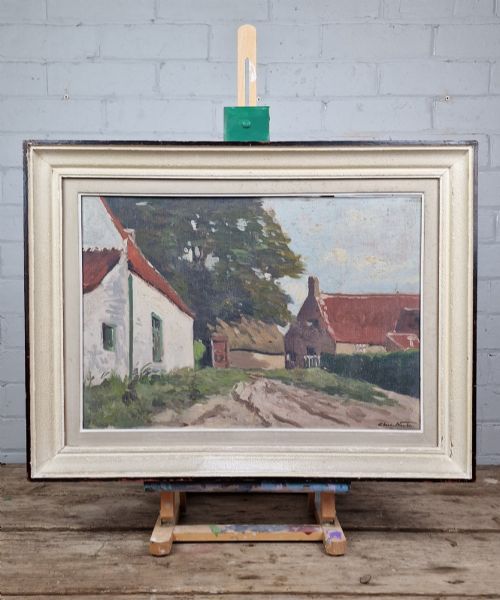
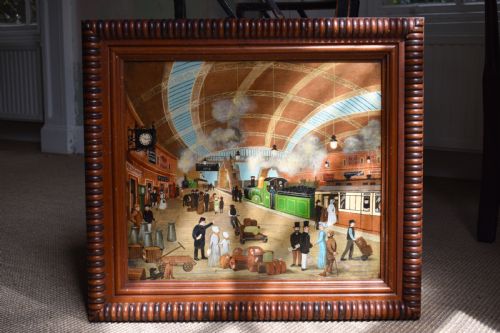
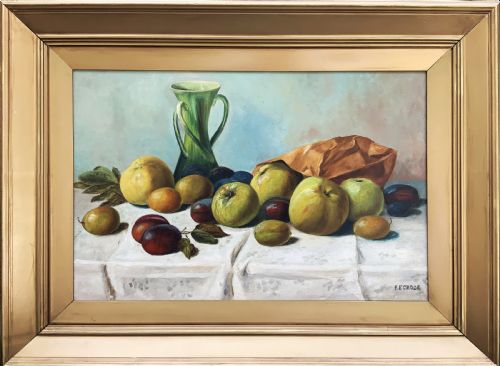
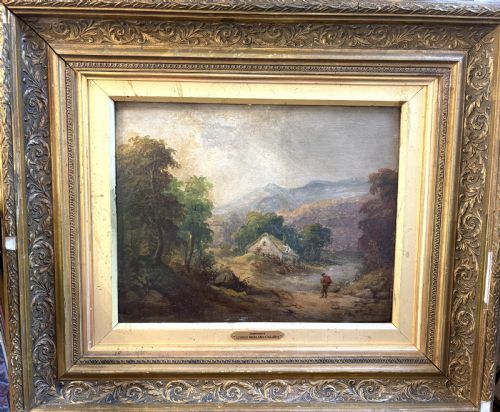
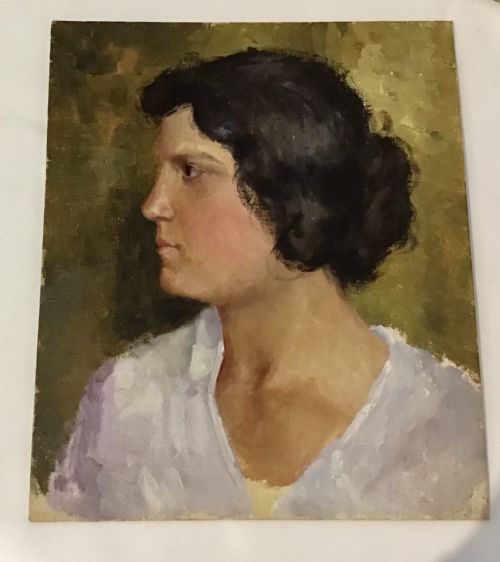
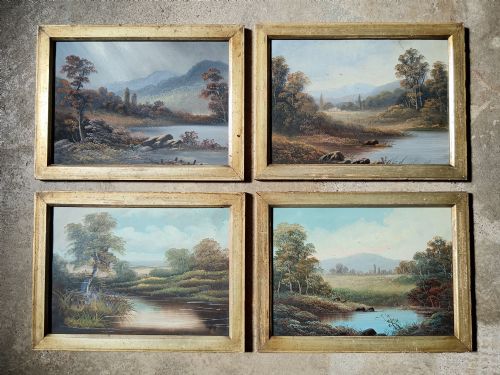
Green oil board painting encompasses works executed in oil paint upon rigid wooden or composition panels across various modern and traditional periods.
Green Oil Board Painting
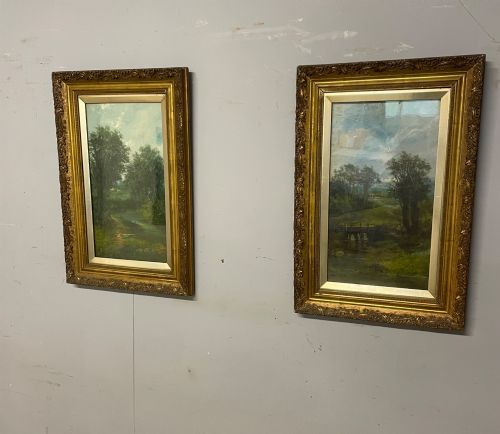
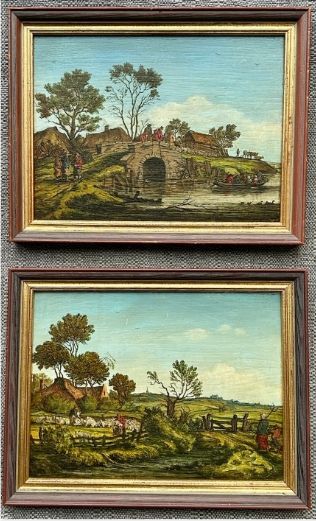
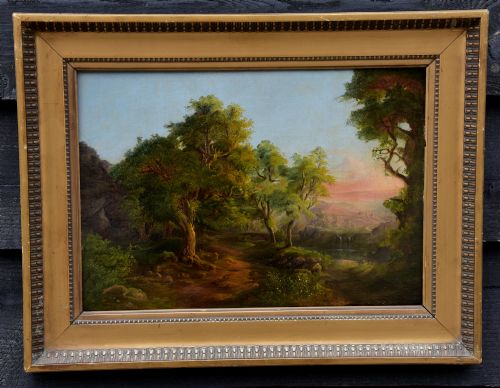
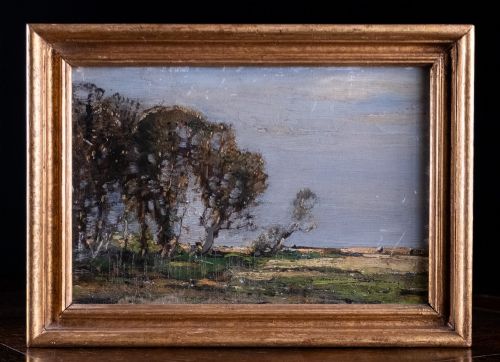
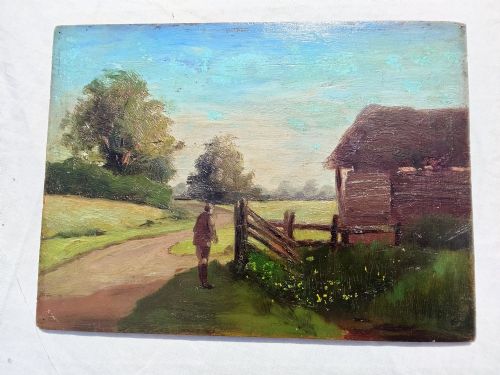
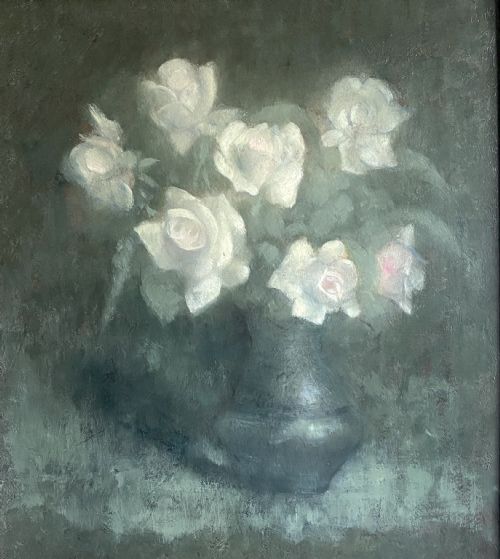
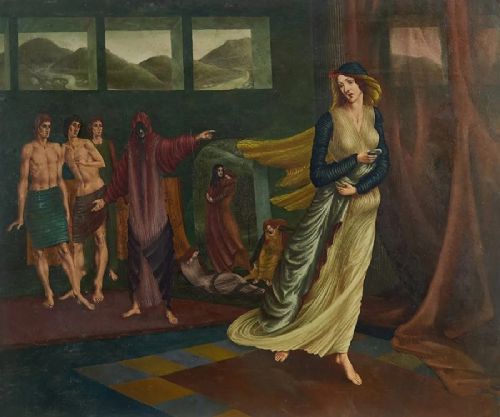
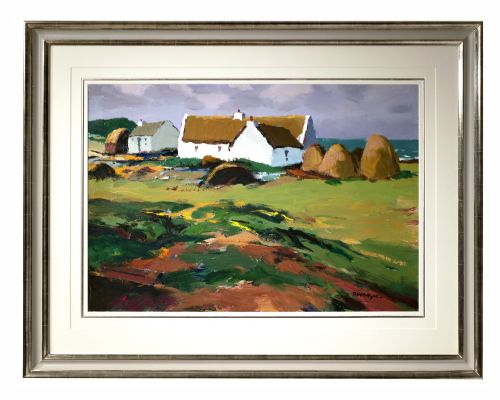
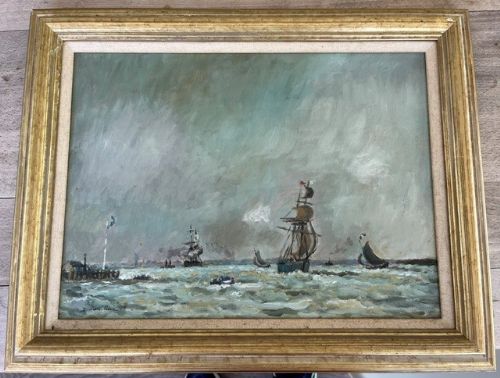
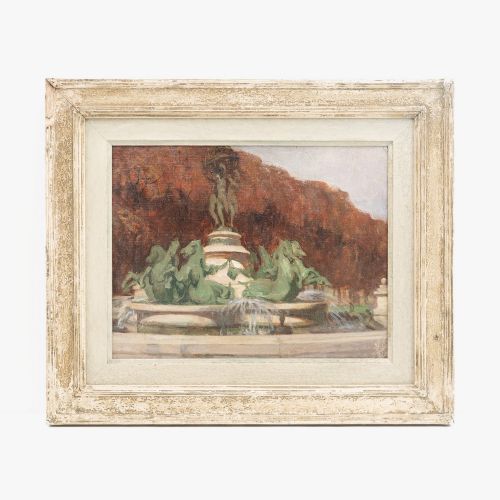
A green oil board painting brings together works where oil paint is applied directly to wood, canvas laid on board, or other rigid panels, often recording landscapes, still lifes, and domestic scenes. Examples span the nineteenth century through to the mid twentieth century, encompassing British Impressionism, Post-Impressionism, and Modern British styles. Viewers encounter representations ranging from Edwardian floral studies to mid-century coastal views.
The materials visible across these pieces typically involve oil paint spread across wooden boards or panels, sometimes accompanied by gilt framing. The supports provide a firm ground that alters the handling of pigment compared to flexible canvas. Works frequently display the distinct brushwork characteristic of impressionist and post-impressionist techniques applied to these rigid supports.
Materials and technique
Artists apply oil paint directly onto prepared wooden boards or wooden panels, utilising the rigidity of the support to build up layered brushstrokes or thick impasto textures. Some pieces employ canvas later laid onto board to provide stability.
Pigments are manipulated with brushes or palette knives to capture light and atmosphere, particularly in plein air landscapes and rural scenes. Gilt frames frequently enclose these panels, serving to separate the painted surface from the surrounding wall.
Materials recorded across the archive include oil paint, wood panels, canvas laid on board, and gilt frames.
Assessing quality
The success of a board painting rests upon the confidence of the brushwork and the artist's command of light, tone, and composition within a limited space. Stronger examples demonstrate a fluid handling of oil paint that captures the immediacy of the subject, whether a quiet farmyard or an open seascape.
Material preservation also marks the distinction between ordinary and superior pieces. Stable wooden panels that resist warping and retain their original paint layer without excessive flaking or crude retouching maintain the integrity intended by the painter.
W Klombeck·Kershaw Schofield·Charles Houben·Francis Plummer·Donald McIntyre·Alexander Jamieson·George Morland·James Fry·Winifred Turner·William JB Jenkins·John Constable·George Hilditch·William Greaves·John Frederic Greenwood·William Hatherell·Georgio de Chirico·JOHN PERCY COOKE·Henry Sanders·Ernest Higgins Rigg·John Falconar Slater·George Smith RSA·Donald Wood·Arthur Delaney
The Green Oil Board Painting Glossary
- Board
- A rigid flat support made of wood or composite material used instead of stretched canvas. Painters have utilised wooden panels for centuries because they provide a stable, unyielding surface for oil pigments.
- Impasto
- Paint applied thickly to a surface, standing out in relief from the board. This technique leaves visible brush or palette knife marks that catch light and create physical texture.
- Plein air
- Painting outdoors to directly capture the natural effects of light and atmosphere upon a subject. Artists working in this manner frequently rely on portable board supports.
- Post-Impressionism
- An art movement extending Impressionism while rejecting its limitations, emphasising symbolic content, formal order, or heavier weight in paint application. Works in this style appear across early and mid-twentieth-century boards.
Green Oil Board Painting: Frequently Asked Questions
What is a green oil board painting?
These works consist of oil paint applied directly to a rigid wooden panel or board support, frequently featuring landscape, still life, or figurative subjects. The category spans several decades of artistic production, from nineteenth-century realism to mid-century impressionism.
Buyers find that the use of a board rather than flexible canvas influences how the pigment ages and how the artist applies texture. Each piece reflects the specific stylistic movements of its period.
How should these paintings be displayed?
Displaying these works requires placement away from direct sunlight and excessive humidity to protect both the wooden support and the oil pigments. Most pieces are housed in traditional frames that support the edges of the board.
Ensuring stable indoor environmental conditions prevents the wooden panel from warping or cracking over time. Proper hanging allows the painted surface to remain secure within its original or period-appropriate frame.
How do I identify the period?
Dating relies upon stylistic markers such as brushwork techniques, frame construction, and the type of wooden board utilised. Edwardian and Victorian examples often feature darker, more restrained palettes, while mid-century pieces display looser impressionistic application.
Signatures, inscriptions on the reverse of the board, and artist studio provenance also help place a work within a specific era. Comparing the handling of paint to established artistic movements clarifies the chronology.
Were boards common for oil painting?
Artists frequently selected wooden boards and panels as a convenient and durable alternative to stretched canvas. These rigid supports were particularly favored for outdoor plein air painting because they required minimal preparation and travelled well.
Many painters utilised recycled wooden panels or commercially prepared boards throughout the nineteenth and twentieth centuries. This tradition accounts for the wide variety of panel thicknesses and wood types found across the selection.