
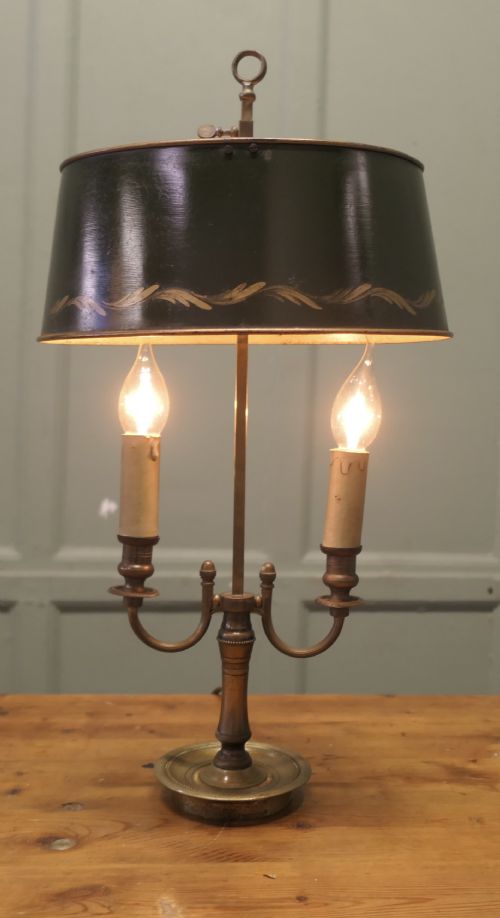
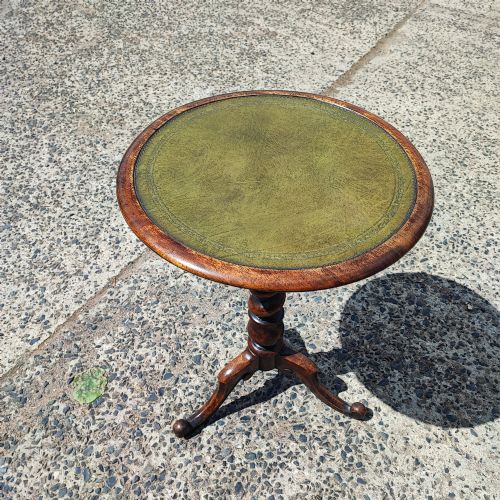
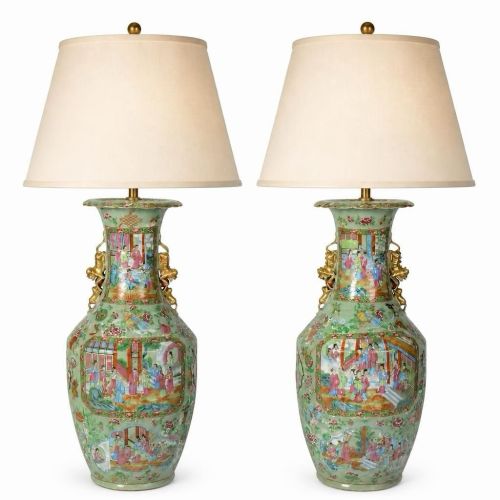
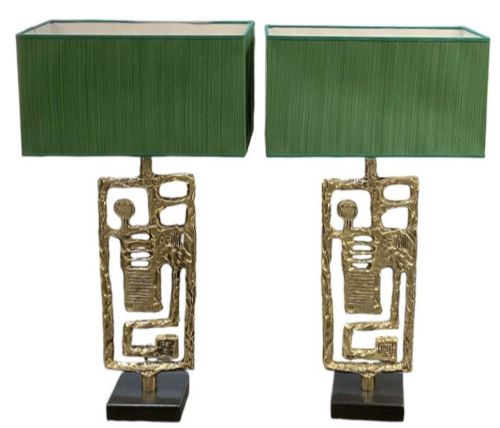

Green Lamp Table
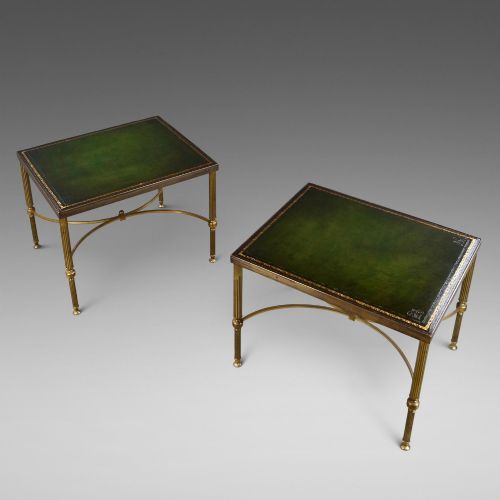
A green lamp table combines practical surface space with ambient lighting, uniting auxiliary furniture and illumination.
Green Lamp Table
When you search for green lamp table, you encounter a hybrid category encompassing dual-purpose side tables and illuminated surfaces originating across the nineteenth and early twentieth centuries. These pieces bridge the gap between small support furniture, such as occasional and bedside tables, and electrified or oil-burning lamps.
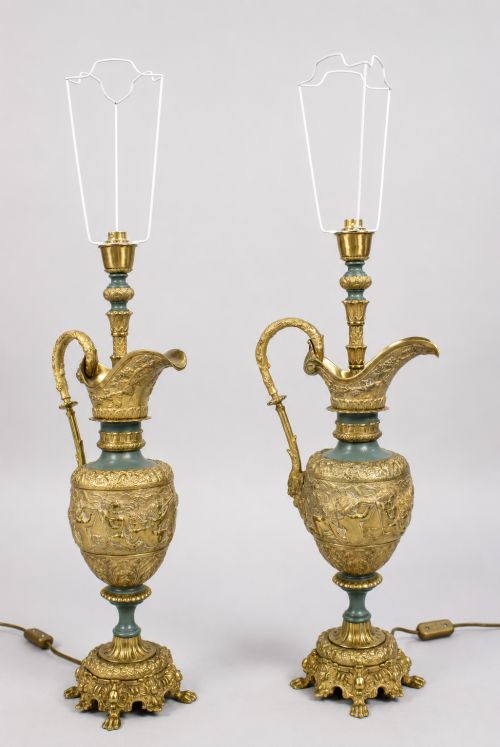
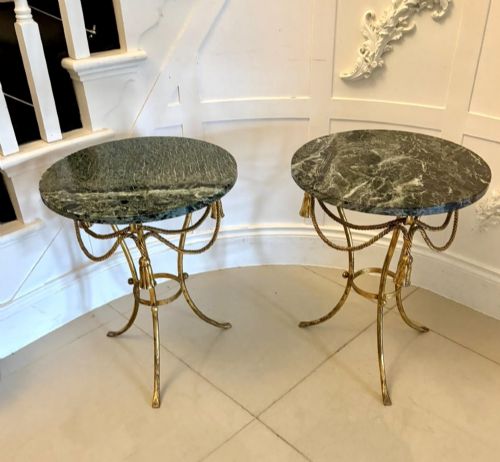
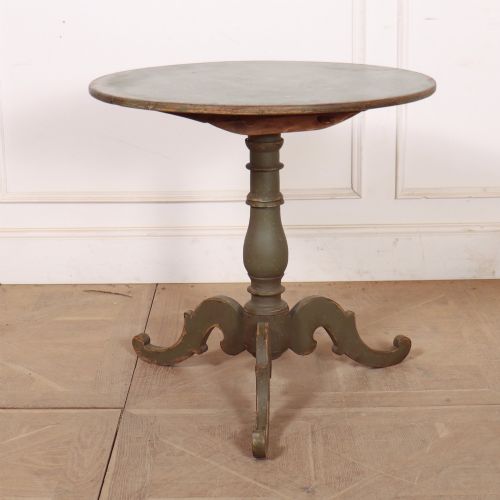
The selection frequently highlights painted wooden frames, verde marble tops, and toleware finishes that introduce distinct verdant tones into an interior. Parisian workshops, English cabinetmakers, and continental European makers all contributed to this diverse group of domestic furnishings.
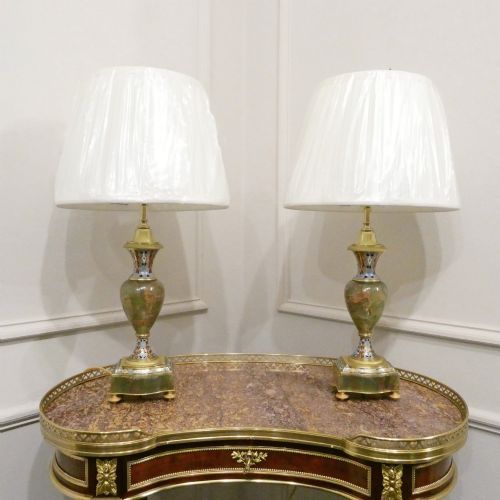
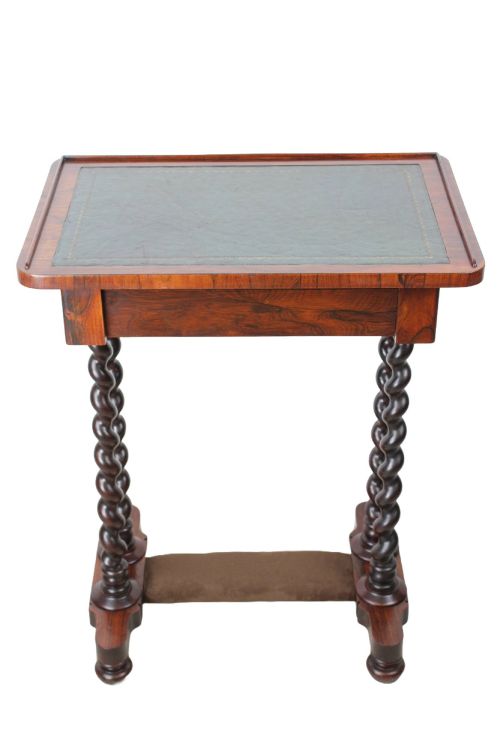
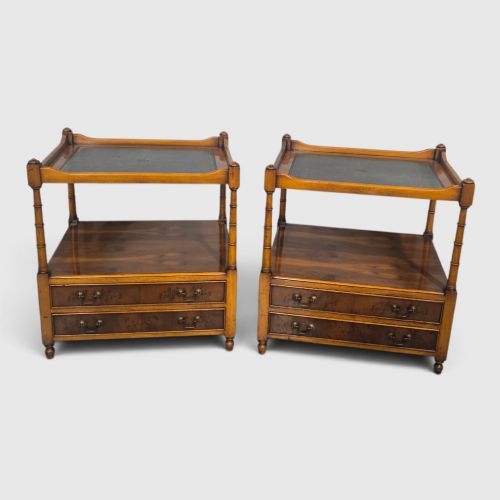
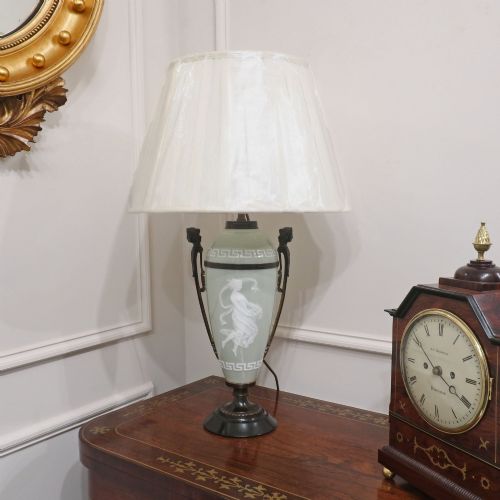
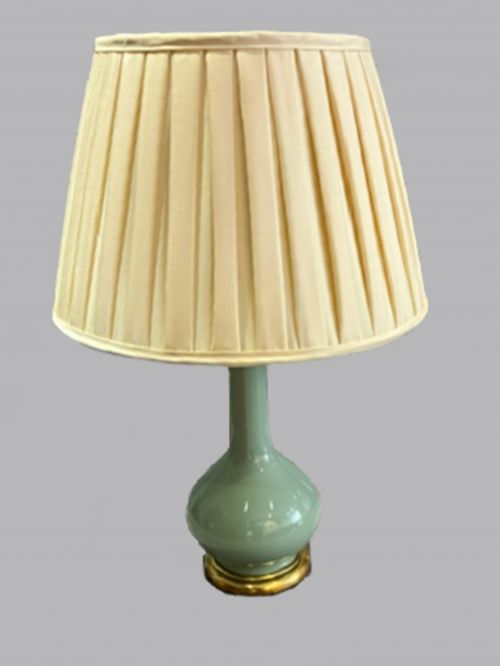
The side table versions often feature inlaid mahogany, painted oak, or structural bronze mounts, while the integrated lighting examples utilise porcelain, brass, and patinated metal bases. This crossover category serves collectors seeking both functional display surfaces and period lighting.
Materials and Techniques
Makers utilised a combination of cast metals, natural stone, and seasoned timber to construct these objects. Brass and bronze components were often chased, gilt, or patinated, while structural elements relied on mahogany, oak, and yew.
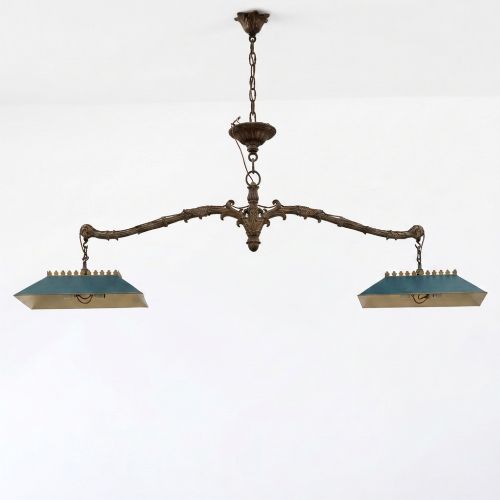
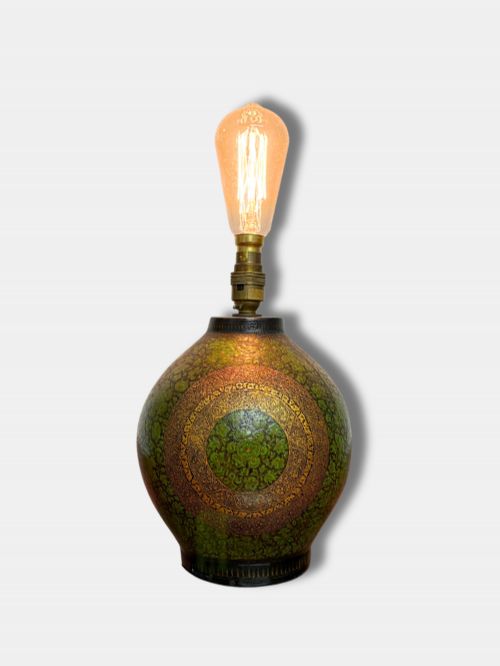
Surfaces frequently display specialist treatments including hand-painted toleware, champleve enamelling, and polished verde or white-veined marble tops. Fabric elements, such as silk baskets on sewing tables or original glass shades, complete the construction of the lighting pieces.
Several pieces include canine motifs, uniting domestic illumination with small bronze dogs.
Distinctions in Quality
Quality rests in the precision of the metal casting, the depth of the patination, and the selection of materials like solid marble or figured hardwoods. Finer examples exhibit crisp detailing in ormolu mounts and hand-painted motifs that remain sharp and deliberate.
The integrity of the construction, from the stability of the table joints to the originality of the associated lighting components, separates standard utilitarian items from superior decorative works. Maker signatures or stamps provide further indication of workshop distinction.
Angelo Brotto for Esperia·L and F Moreau·E Kahn·Hinks
The Green Lamp Table Glossary
- Toleware
- Painted or lacquered sheet metal items, often finished in deep green with gilt highlights. This technique was widely utilised for nineteenth-century bouillotte lamps and desk accessories.
- Ormolu
- Gilt bronze mounted onto furniture or lighting bases. The process involves applying a finely ground gold-mercury amalgam to cast bronze before heating.
- Verde marble
- A dark green ornamental stone featuring lighter veining, frequently employed for nineteenth-century table tops and lamp bases.
- Champleve
- An enamelling technique where troughs are carved into a metal surface and filled with vitreous paste before firing. It appears on decorative vessels and lamp bodies.
- Bouillotte lamp
- An adjustable desk or table lamp featuring a central shaft, candle or bulb arms, and a distinctive painted metal shade.
Green Lamp Table: Frequently Asked Questions
What is a green lamp table?
A green lamp table refers either to a small occasional table finished in green paint, lacquer, or marble, or to a table lamp featuring prominent green glass, ceramic, or toleware elements. These pieces merge functional surface space with decorative illumination.
They reflect diverse historical styles ranging from Victorian revivalism to Art Deco design, serving as both utility furniture and ambient light sources.
How were these tables used historically?
In period interiors, these pieces occupied parlours, drawing rooms, and bedrooms to hold reading materials, sewing implements, or writing equipment while providing localized light. Their dual nature saved space in domestic settings.
They functioned as moveable furnishings that could be placed beside seating or bedsides according to daily requirements.
How do I style a green lamp table today?
Integrate these pieces into neutral or complementary colour schemes where the green finish acts as a subtle accent. They function effectively beside sofas, as bedside stands, or upon entry hall surfaces.
Pair them with complementary vintage accessories or allow the piece to stand alone as a focal point in a room.
How can I tell the period of a piece?
Dating relies on examining the construction methods, fastener types, material composition, and stylistic motifs present in the object. Victorian and Edwardian examples often display heavier brass castings or specific revival styles.
Later Art Deco iterations introduce streamlined geometry, chrome, and catalin bakelite, distinguishing them from nineteenth-century counterparts.