
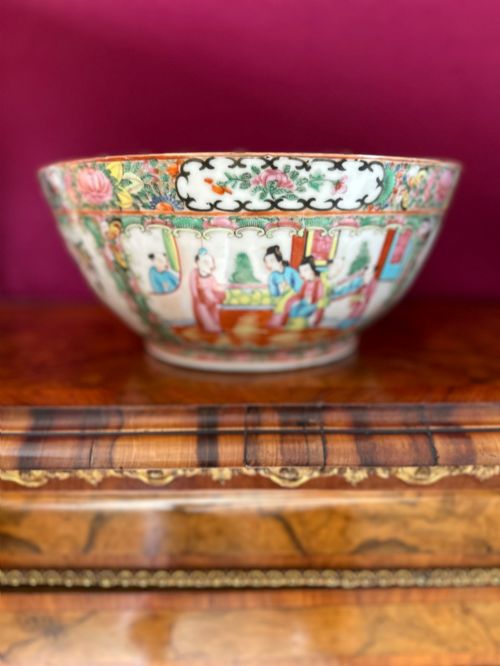


Green Glazed Porcelain Dish
A green glazed porcelain dish brings subtle colour and ancient technique into a room, offering the quiet dignity of celadon and lustre.
Green Glazed Porcelain Dish
A green glazed porcelain dish represents a diverse lineage spanning Chinese dynasties, European Victorian manufactories, and later periods like Art Deco. When searching for a green glazed porcelain dish, collectors encounter everything from early Longquan celadons to English majolica and lustre wares.
The pieces appearing on this page encompass various forms, including decorative dishes, bowls, chargers, and tureens. These items showcase how potters across centuries utilised green tones, from deep celadon glazes to vibrant lustre finishes.
Materials and construction
The physical substance of these pieces relies on porcelain, ceramic, and stoneware bodies, often finished with specialised celadon or lustre glazes. Potters applied these mineral-rich coatings to achieve the characteristic translucent green surfaces seen across the eras.
Moulding and throwing techniques shaped the physical forms, while high-temperature firing fused the glaze to the clay body. Additional enamel details sometimes enhanced moulded floral scrolls or figural elements after the primary glaze firing.
Certain Victorian cherubs and flapper girls occasionally share shelf space with centuries-old imperial fish dishes.
Assessing quality and execution
Quality rests upon the depth and control of the glaze, alongside the crispness of any moulded or carved decoration. Superior examples display an even, harmonious tone across the surface without distracting flaws in the vitrification.
The prestige of the producing kiln or pottery significantly influences distinction, whether dealing with imperial Chinese traditions or established European manufacturers. Refinement in the underlying clay body and the precision of form separate standard utility items from exceptional works.
Wedgwood·Minton·Royal Dux
The Green Glazed Porcelain Dish Glossary
- Celadon glaze
- A pale green to jade-coloured glaze originating in China, prized for its resemblance to jade. It results from iron oxide reacting in a reduction kiln.
- Lustre glaze
- A type of ceramic glaze that imparts a metallic sheen or iridescence to the surface. It is achieved through the application of metallic films during a secondary firing.
- Charger
- A large ornamental plate or dish used traditionally for ceremonial purposes or as a base beneath other courses. These pieces often feature prominent decorative schemes.
- Stoneware
- A robust, vitrified pottery type fired at higher temperatures than earthenware. It is impermeable to water even without a glaze, though glazes are frequently applied for aesthetic effect.
Green Glazed Porcelain Dish: Frequently Asked Questions
Can I use these dishes for serving food?
While many of these items started as functional tableware, antique pieces are generally best reserved for display. Historic glazes and older ceramic bodies can be vulnerable to staining or chemical interaction from modern foods.
Appreciating them as decorative objects protects their surfaces from accidental chips, scratches, and degradation over time.
What is the difference between celadon and standard green glaze?
Celadon refers to a specific family of transparent green glazes created through traditional Asian firing techniques where iron in the glaze reacts chemically. Standard green glazes, such as those found on later European ceramics, often rely on different metallic oxides and application methods.
Celadon surfaces tend to have a subtle depth resembling raw jade, whereas other green glazes can present more uniform or opaque colouration.
How can I tell the age of a green glazed ceramic?
Dating relies on examining the foot ring, the characteristics of the clay body, and the specific style of the glaze application. Comparing the manufacturing marks and decorative motifs against known historical periods provides further clarity.
Wear patterns on the base and natural signs of age within the glaze help confirm the authenticity of older pieces.