


Green Glazed Faience
Green glazed faience offers rich tin-glazed earthenwares spanning ancient Egyptian figures to nineteenth-century continental vases.
Green Glazed Faience
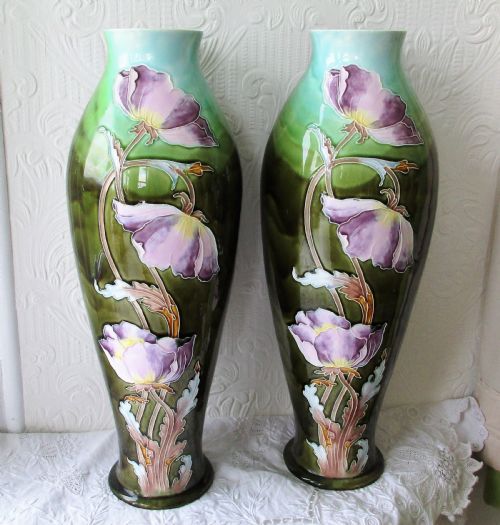
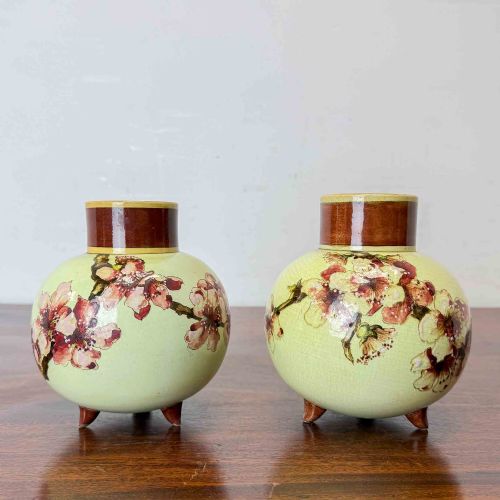
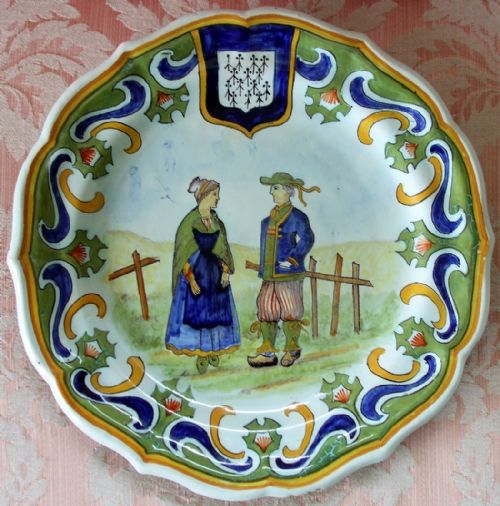
Green glazed faience encompasses tin-glazed earthenware and ceramic objects decorated in various shades of green, ranging from ancient Egyptian shabtis to eighteenth-century Dutch and French plates and apothecary jars. Buyers exploring this category encounter a broad sweep of history, including Renaissance revival pieces, Art Nouveau vases, and French decorative wares.
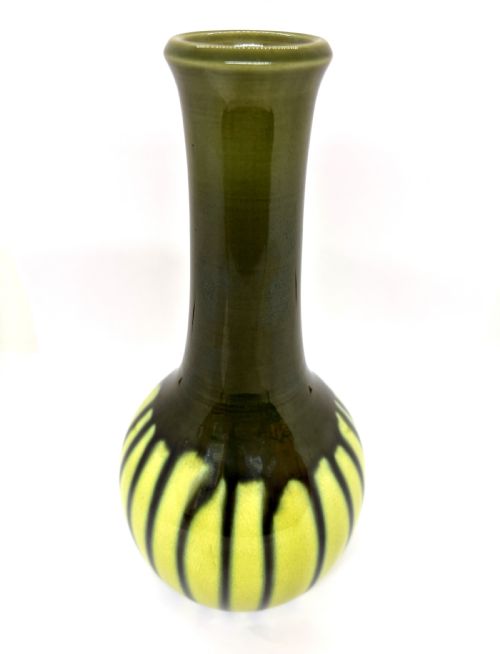
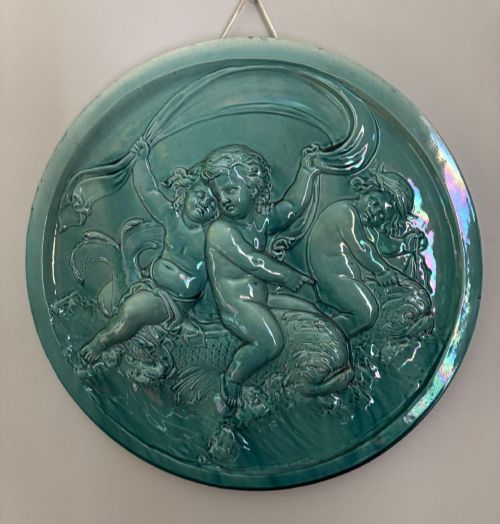
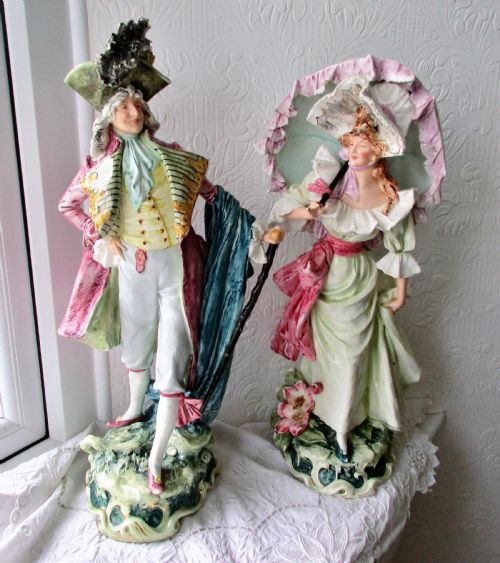
The selection frequently includes French faience dishes and figurines, alongside English studio pottery and Dutch delftware chargers. Forms vary widely from practical apothecary jars and wall plaques to sculptural figurines and decorative bottle vases.
Materials and construction
These pieces rely on earthenware or ceramic bodies coated with a tin glaze that provides an opaque white or tinted surface for subsequent decoration. Firing techniques across the centuries fix the distinctive green glazes and polychrome pigments onto the clay substrate.
Potters shaped these items using traditional throwing and moulding methods before applying the mineral glazes. Lustre glazes and hand-painted pigments add further surface depth to specific nineteenth-century and eighteenth-century examples.
Listings in this category combine nineteenth-century French faience with eighteenth-century Dutch delftware and ancient Egyptian pieces.
Assessing quality
Quality in these ceramics rests on the crispness of the moulding, the evenness of the tin glaze, and the precision of any hand-painted details. Early pieces show the character of their specific period workshops through glaze pooling and pigment saturation.
Desirable examples maintain clear decorative motifs, whether geometric floral patterns on Dutch chargers or organic lines on Art Nouveau vessels. The depth and stability of the green glaze finish distinguish finer studio productions from simpler utilitarian items.
Clement Messier·Doulton Lambeth·Veuve Perrin·Burmantoft's Pottery·Le Manceau
The Green Glazed Faience Glossary
- Faience
- Tin-glazed earthenware produced across Europe, typically featuring a fine clay body covered in an opaque white glaze that takes painted decoration well. The term also applies historically to non-ceramic ancient Egyptian glazed quartz compositions.
- Tin Glaze
- A ceramic glaze made opaque by the addition of tin oxide, providing a smooth white background for painted pigments. This technique defines much of the European pottery tradition represented here.
- Charger Plate
- A large decorative plate intended for display rather than heavy dining use. Eighteenth-century examples often feature elaborate geometric or floral painted schemes.
- Majolica
- Tin-glazed earthenware decorated with colourful metal oxide pigments on an opaque white glaze. The Italian tradition heavily influenced later continental pottery styles.
- Shabti
- A small ancient Egyptian funerary figurine placed in tombs to act as a servant for the deceased. These early figures often display turquoise or green glazed surfaces.
Green Glazed Faience: Frequently Asked Questions
How do I clean green glazed faience?
Dust these ceramic pieces gently with a dry, soft cloth to remove surface particles.
Avoid immersing antique tin-glazed items in water, as moisture can penetrate old clay bodies and crack the glaze.
Are these pieces safe for food use?
Historical tin-glazed earthenware and ancient artefacts are intended for display and decorative purposes only.
Older glazes may contain materials unsuitable for modern culinary use.
How do I date an antique faience vase?
Examine the base, glaze consistency, and stylistic markers such as Art Nouveau curves or eighteenth-century floral motifs.
Comparing the potting technique and workshop characteristics helps place the item within its specific century.
What is the difference between faience and delftware?
Faience is the broader European term for tin-glazed earthenware made in France, Germany, and other regions.
Delftware specifically refers to the tin-glazed pottery produced in the Netherlands, particularly in and around Delft.