
Green Gilt Frame
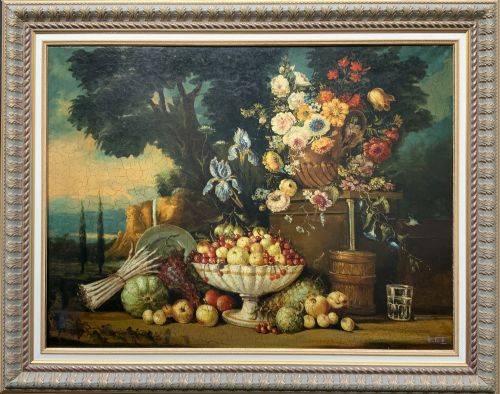
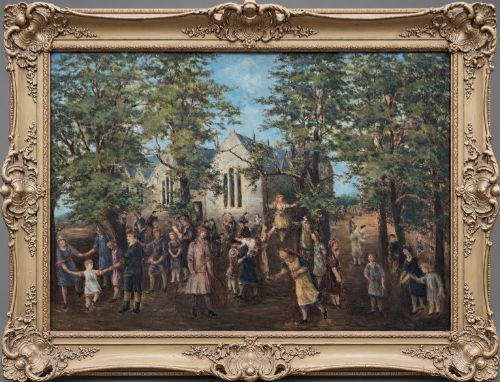
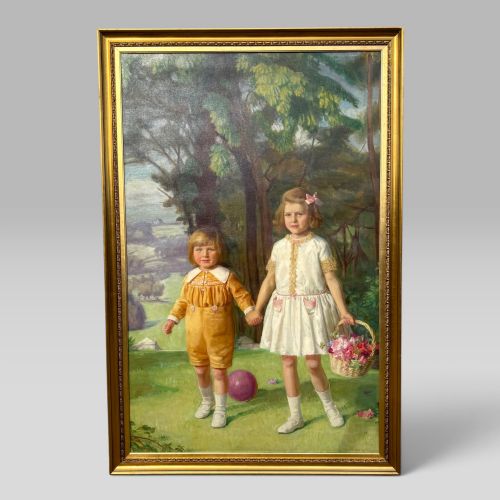
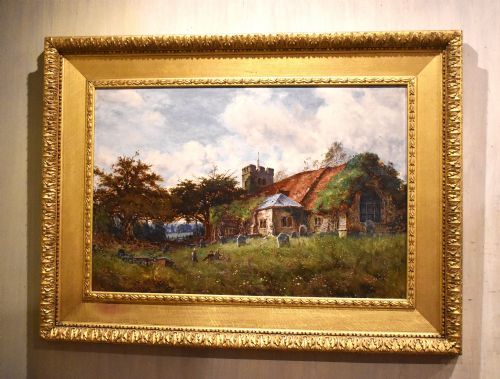
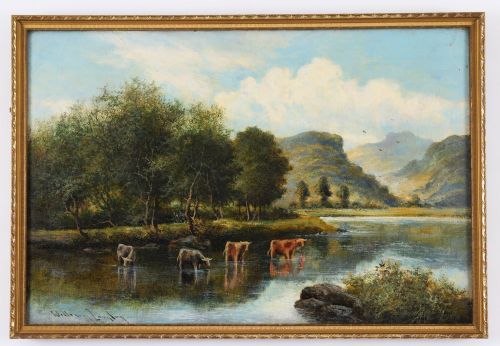
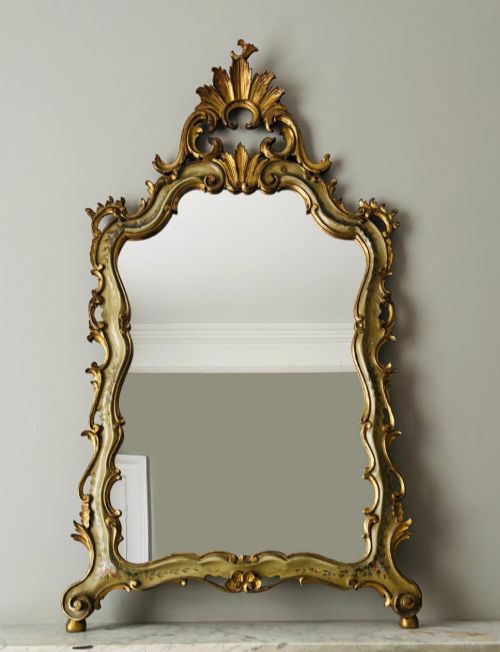
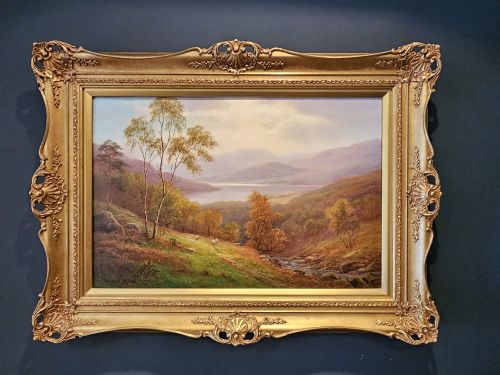
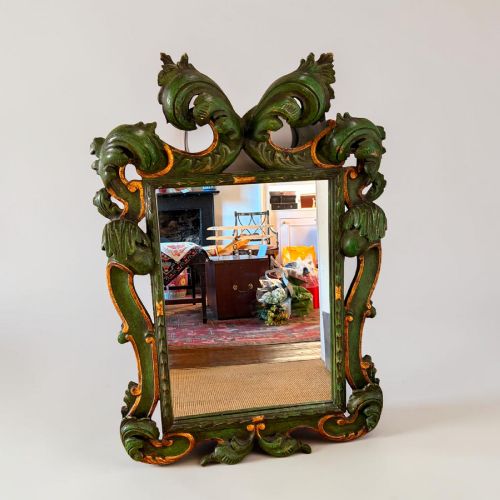
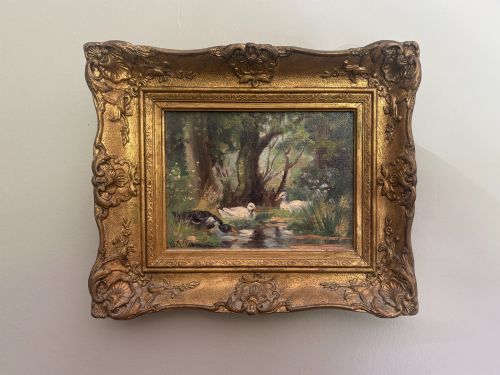
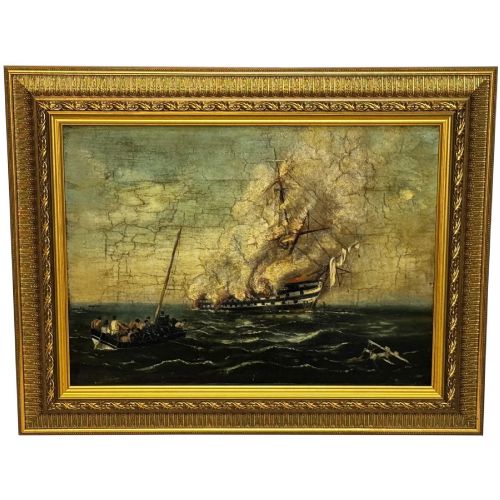
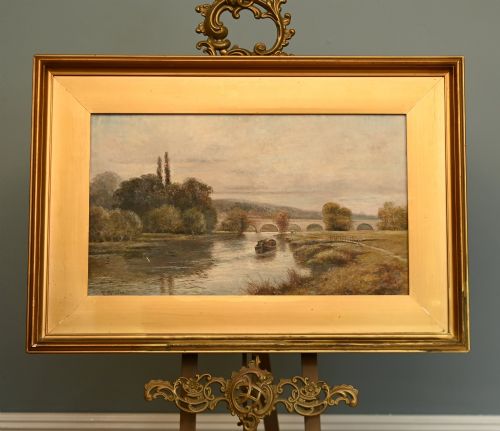
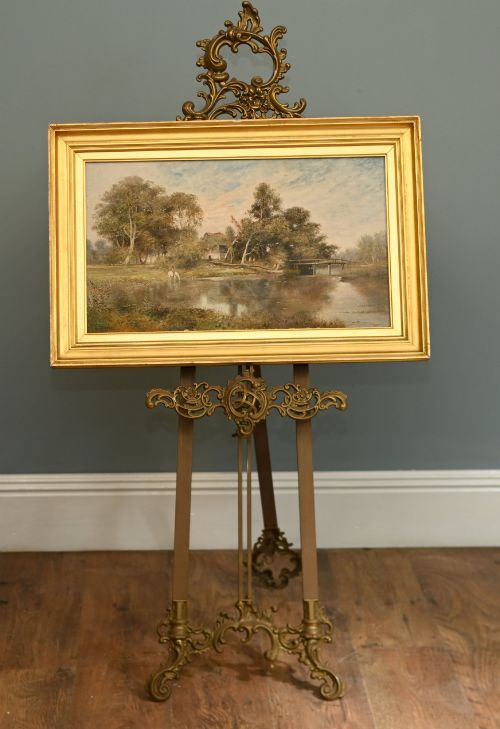
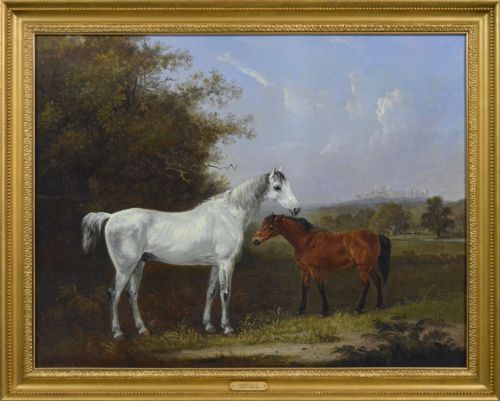
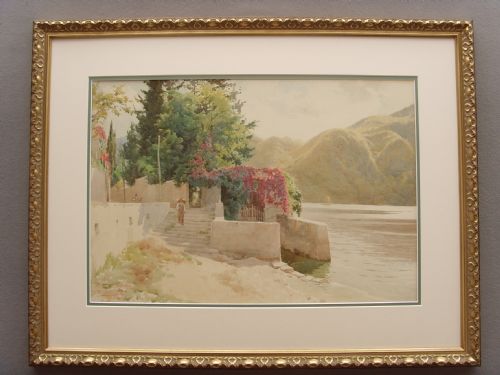
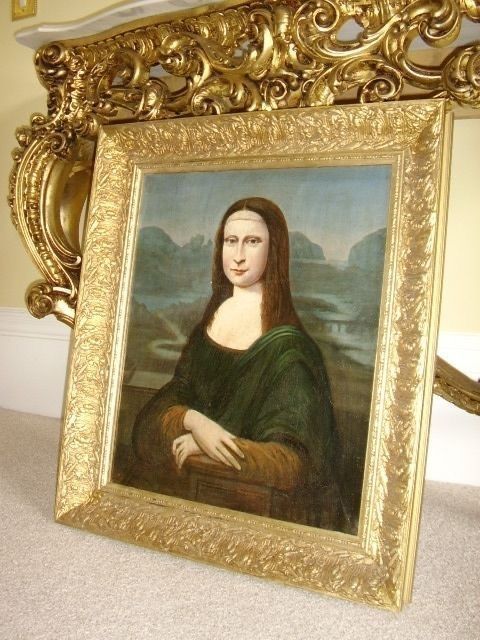
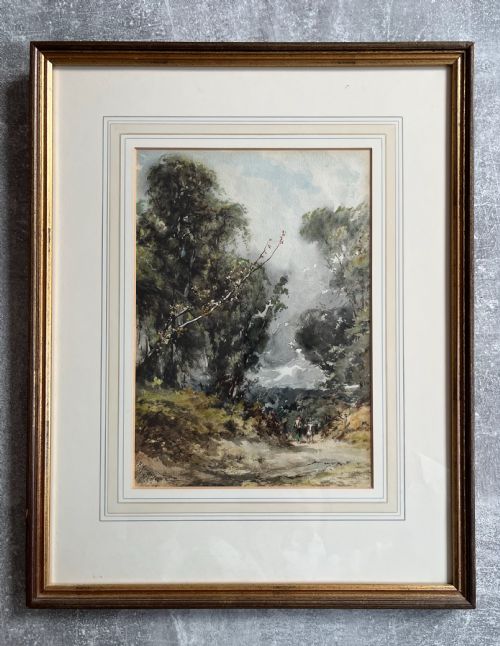
A green gilt frame brings together verdant painted surfaces and shining metallic leaf to enclose oil paintings, watercolours and mirrors.
Green Gilt Frame
When you search for a green gilt frame, you encounter decorative borders housing artworks and mirrors across various periods. These objects span from eighteenth-century classical creations through Victorian and Edwardian iterations up to mid-century examples.
The most frequent items meeting this description combine wooden structures with oil on canvas, glass, or paper supports. Wall mirrors and framed paintings dominate the selection, often displaying distinct regional European aesthetics.
Examples range from restrained nineteenth-century landscape paintings to ornate French wall mirrors featuring ribbon crests. Each piece relies on the interplay between green pigment and gold leaf to define its visual boundary.
Materials and construction techniques
Makers fashioned the core structures primarily from wood, applying layers of gesso and bole before laying down metallic leaf. Artisans then introduced green pigments, sometimes combining oil-based paints with gilded details to create depth along the moulding profiles.
Canvases, panels, and heavy paper sheets received paintings in oil, watercolour, or pastel, secured directly behind glass where appropriate. Wall mirrors utilised silvered glass plates set within rebated wooden housings, held firmly by backing boards.
Several pieces feature domesticated dogs accompanying their human companions into nineteenth-century landscapes and formal portraits alike.
Qualities of distinction
The distinction between standard and superior pieces rests on the handwork evident in the gilding and the nuance of the painted green surface. Skilled carvers produced crisp mouldings with deep relief, whereas lesser examples relied on simple applied composition ornament.
Original matching components, such as contemporaneous glass or untouched backing materials, elevate a piece above altered items. The harmony between the artwork and its specific enclosing border dictates the overall success of the composition.
Richard Sebastian Bond·William Beattie-Brown·George Fotherly Hargitt·John Horace Hooper·Charles Spooner·Sidney A. Court·Kershaw Schofield·Valentine Green·George Houston·Thomas W Lascelles·Gabriel Mathieu·David Bates·William Broome·Walter Heath Williams·Antonio DeVity·Konstantin Stoitzner·Jean-Gabriel Domergue·Edward Ladell·James Howe·Carl Felkel·Ernest Arthur Rowe·Harald Foss·George Oyston·Sir Alfred East·Frederick James Kerr
The Green Gilt Frame Glossary
- Giltwood
- Wood that has been coated with thin sheets of gold metal leaf over a prepared base. This finish provides a reflective surface that catches ambient light.
- Oil on Canvas
- Pigment mixed with drying oil applied to a stretched woven fabric support. This technique allows for rich colour blending and textured brushwork.
- Mezzotint
- A printmaking process of the intaglio family where the plate is roughened to produce dark tones before highlights are scraped out. It yields subtle tonal gradations.
- Gesso
- A paint mixture consisting of a binder mixed with chalk, gypsum, or pigment. Artisans used it to prepare wooden surfaces before applying gilding.
- Pastel
- A dry drawing medium consisting of powdered pigment and a binder. Works executed in this material require protection under glass.
Green Gilt Frame: Frequently Asked Questions
How do I date a green gilt frame?
Dating relies on examining the underlying wood construction, the method of applying the gesso, and the formulation of the green paint layers. Earlier examples often show hand-cut joinery and subtle tool marks along the moulding.
Secondary indicators include the type of nails or screws securing the backboards and the ageing patterns present within the metallic leaf.
Were these frames made specifically for the artwork?
Many frames were produced alongside the paintings or mirrors they currently enclose, ensuring exact proportions and stylistic harmony. However, pictures frequently received new surrounds during later centuries to match changing interior tastes.
Matching rebates and consistent wear between the artwork and the border suggest a long-standing association.
How should I clean a gilded surface?
Dusting requires only a soft, dry brush to remove loose particles without disturbing delicate metallic leaf or painted details. Moisture and commercial cleaning agents must be avoided entirely to prevent lifting the gesso.
Professional intervention is necessary if structural repairs or consolidation of the surface layer become required over time.
Can I hang these heavy mirrors safely?
Wall mirrors require assessment of their weight distribution and the condition of the original wooden joints before mounting. Professional framers recommend utilising appropriate wall anchors that match the weight of the timber and glass.
Wire or heavy cord should be checked regularly to ensure the suspension system remains secure against the wall.