



Green Floral Oil Painting
A green floral oil painting brings botanical forms into an interior through pigment and canvas, offering enduring colour across centuries of artistic practice.
Green Floral Oil Painting
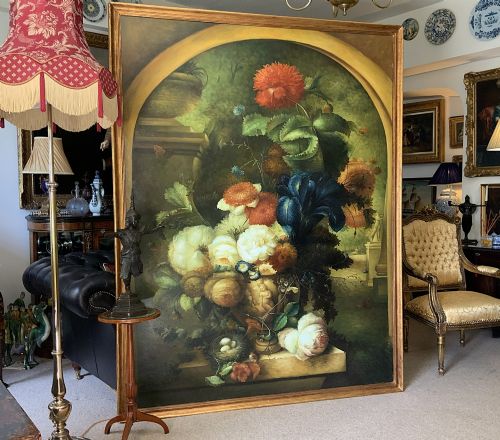
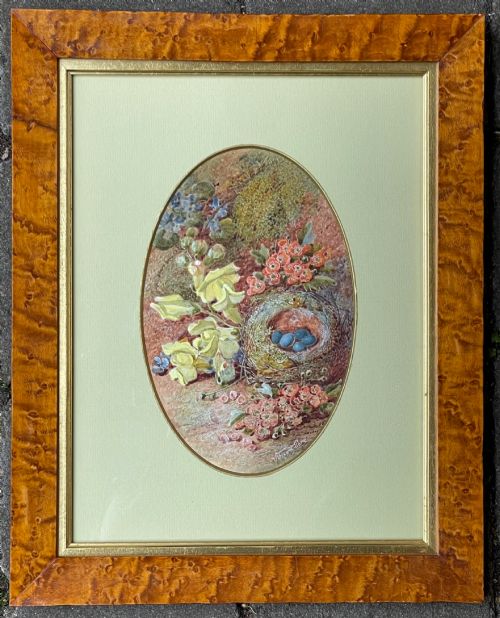
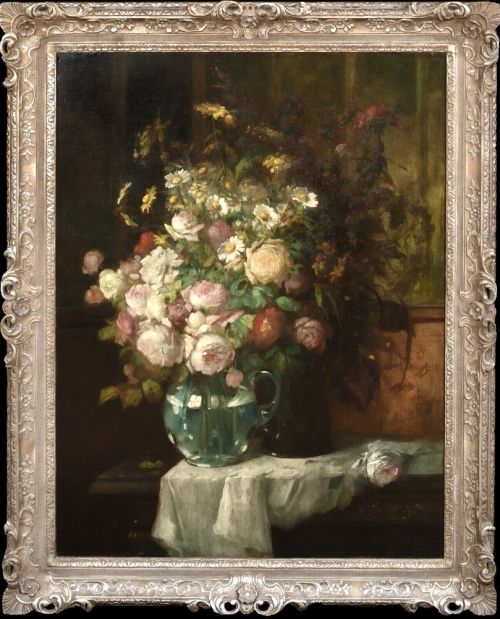
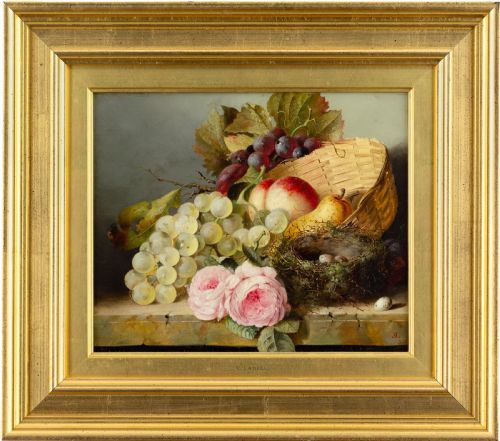
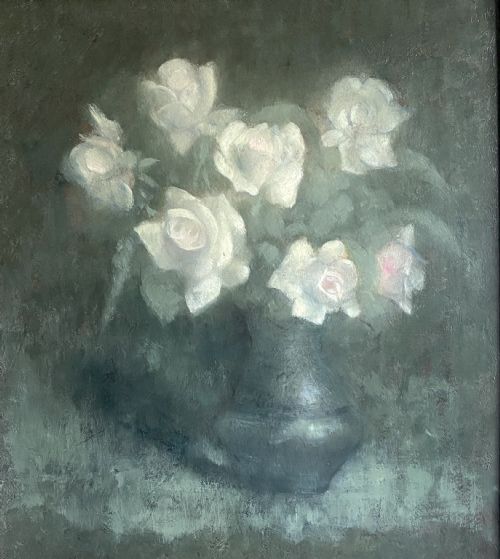
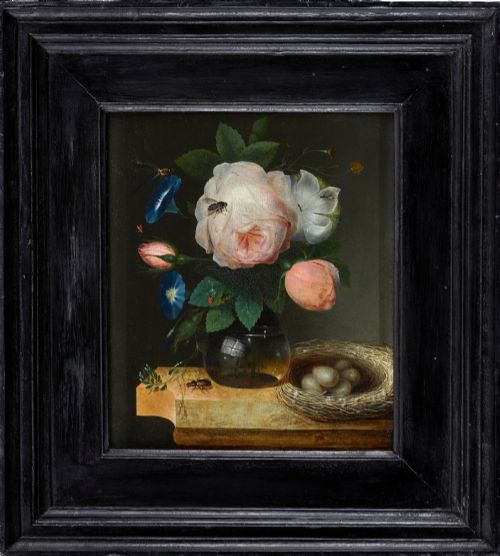
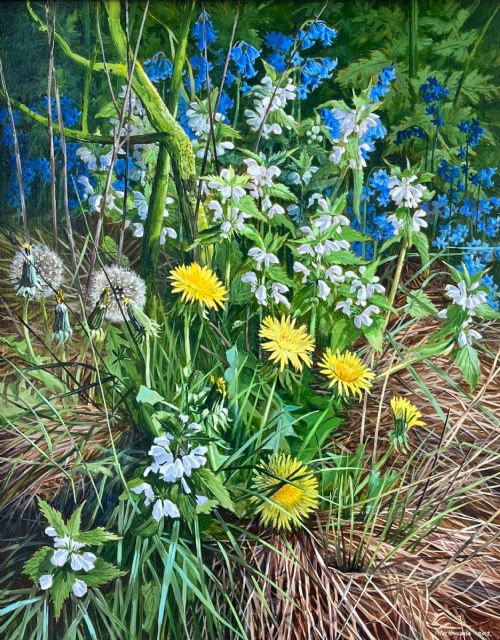
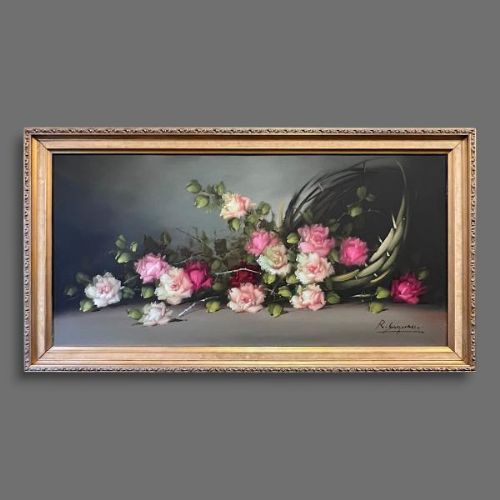
A green floral oil painting captures botanical subjects, most frequently featuring roses, chrysanthemums, and hedgerow arrangements framed in rich verdant tones.
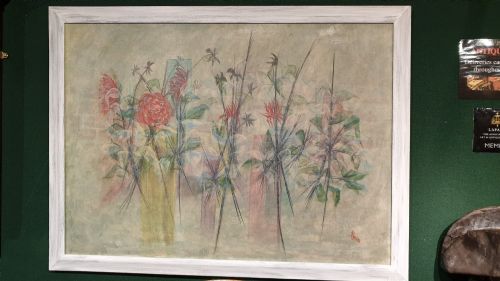
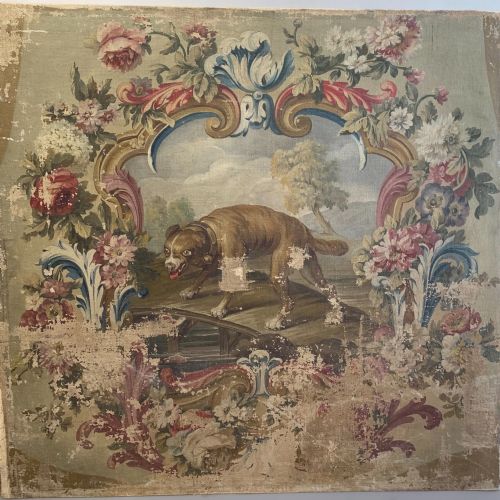
The selection ranges from Victorian naturalism and Dutch Baroque revival to mid-century modern interpretations and impressionist studies on canvas or board.
Buyers encounter works spanning from the nineteenth century through to the nineteen-sixties, reflecting shifting attitudes towards floral composition and interior decoration.
How the paintings were made
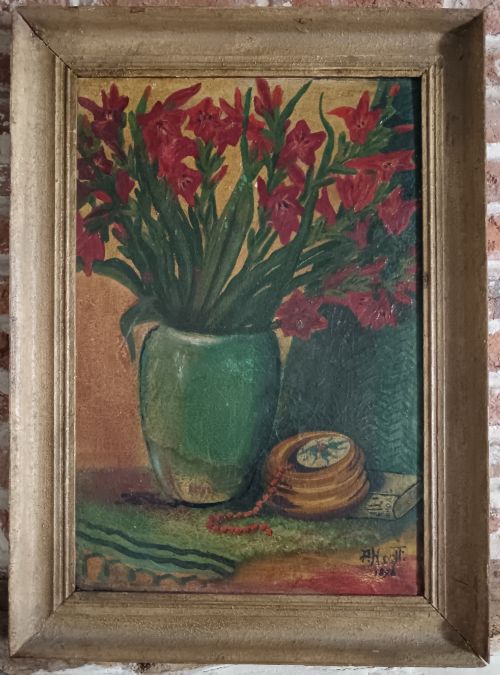
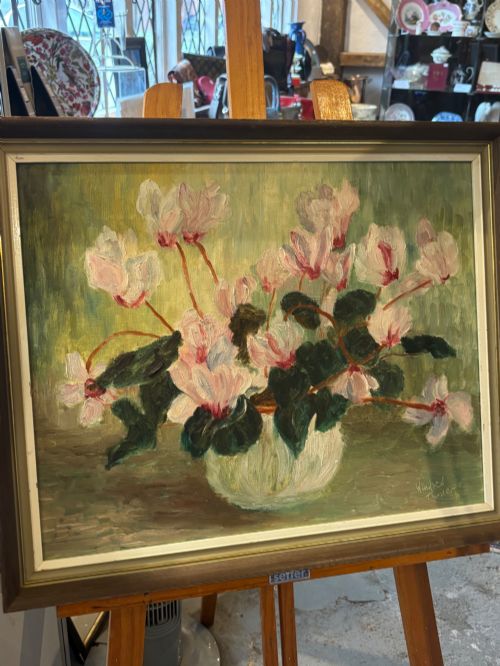
Artists applied oil paint to prepared canvas or wooden board, frequently building thick impasto layers to describe petals, foliage, and wicker baskets.
Frames of gilded wood, glass protection, and occasionally gold leaf completed the presentation of these wall art pieces.
Makers utilised traditional brushwork techniques alongside palette knife applications to manipulate pigment and achieve depth within botanical still lifes.
Green Floral Oil Painting Retail Price Guide 2026
Typical asking prices for green floral oil painting among the pieces listed under this phrase on Sellingantiques today, from the lower quarter to the upper quarter. They describe what is for sale here now, not the wider market.
Materials recorded across these listings include canvas, oil paint, wood, gold leaf, and glass.
What varies in quality
The skill of the brushwork and the confidence in handling perspective dictate the visual success of the composition, particularly in the rendering of petals and foliage.
Period frames matching the era of the canvas contribute significantly to the integrity of the piece, alongside the stability of the paint surface over time.
Vincent Clare·Konstantin Stoitzner·Edward Ladell·Gaspar Peeter Verbruggen·Owen Bowen·Winifred Turner·Ernest Higgins Rigg·Henry Schouten·Emily Selinger·Edgar Bundy·Fred Merriman·Jules Felix Ragot
The Green Floral Oil Painting Glossary
- Impasto
- Paint applied thickly to a canvas, standing out from the surface so that the marks of the brush or palette knife remain visible. This technique adds tactile depth to floral arrangements.
- Still life
- A work of art depicting mostly inanimate subject matter, typically commonplace objects which may be either natural or man-made. In this context, flowers in vases or baskets dominate.
- Trumeau mirror
- A decorative wall mirror featuring an oil painting or carved panel set above the glass. These architectural elements often incorporate floral motifs.
- Board
- A rigid substrate used instead of canvas for painting, commonly seen in twentieth-century works. Artists frequently applied oil directly to this prepared flat surface.
- Gilded wood
- Timber treated with gold leaf or metallic powder to create a reflective surface for picture frames. This finish enhances the visual weight of the artwork.
Green Floral Oil Painting: Frequently Asked Questions
What is a green floral oil painting?
A green floral oil painting is a work on canvas or board depicting botanical subjects, foliage, and garden scenes rendered in oil pigments.
These pieces range from strict nineteenth-century naturalism to twentieth-century impressionism and mid-century abstraction.
How should I hang an oil painting?
Hang oil paintings away from direct sunlight and fluctuating heat sources to protect the canvas and the wooden frame from environmental damage.
Secure the piece using appropriate wall fixings that match the weight of the frame and the support structure.
How do I identify the period of a painting?
Period identification relies on examining the substrate, framing style, stretcher bars, and the handling of pigment alongside the signature.
Stylistic cues such as the looser brushwork of mid-century modern pieces versus Victorian detail offer further chronological context.
What subjects appear alongside flowers?
Floral compositions frequently incorporate glass vases, wicker baskets, fruit, and draped textiles within the arrangement.
Some works extend into broader garden landscapes or woodland settings featuring trees and foliage.