


Green Dress Portrait Canvas
These green dress portrait canvas works capture historic sitters in striking attire, offering collectors a rich window into past portraiture traditions.
Green Dress Portrait Canvas
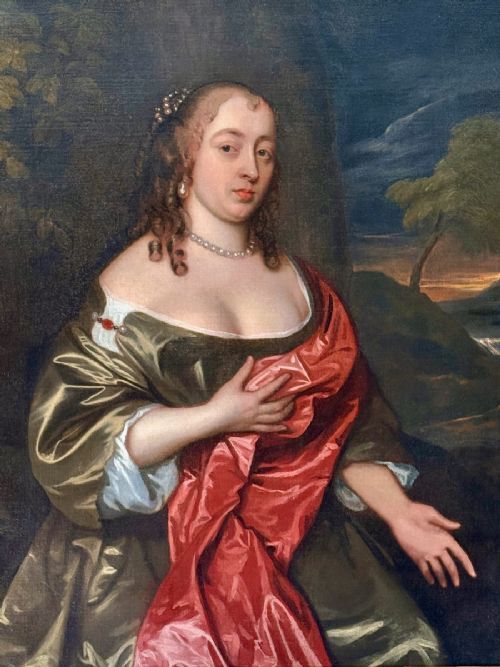
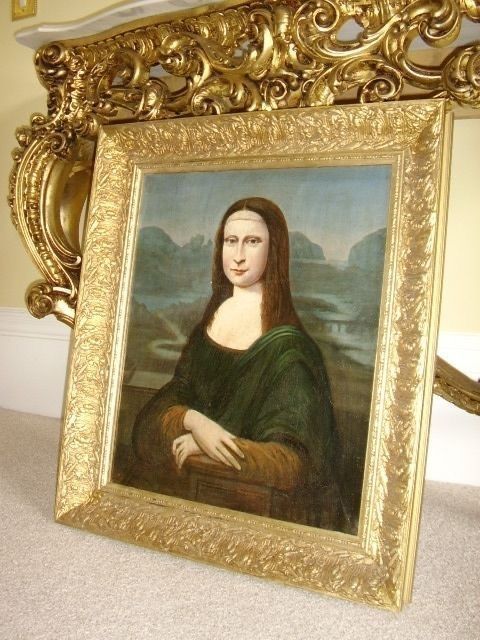
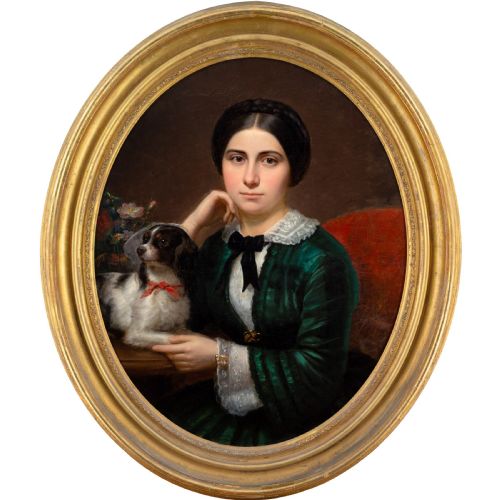
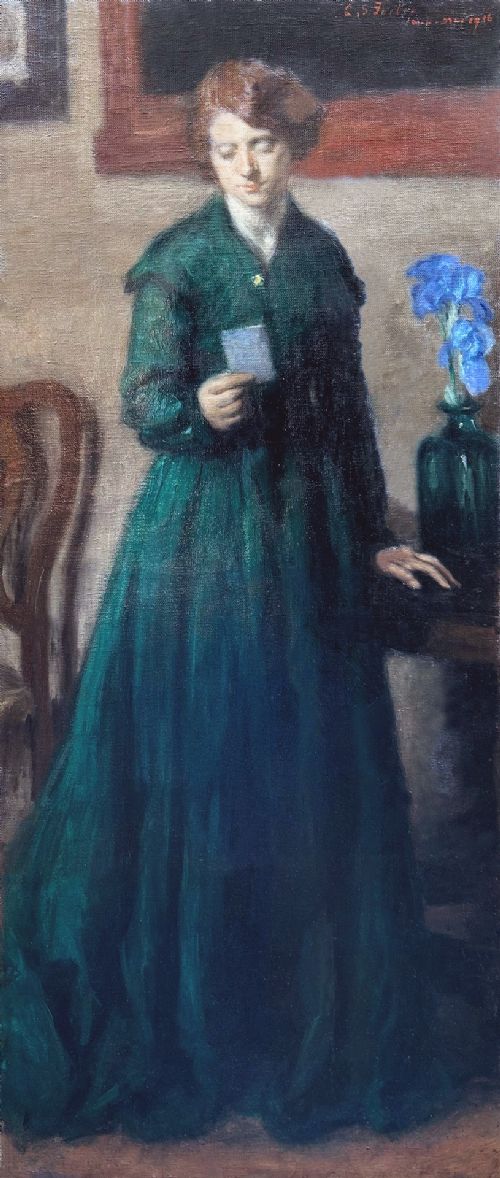
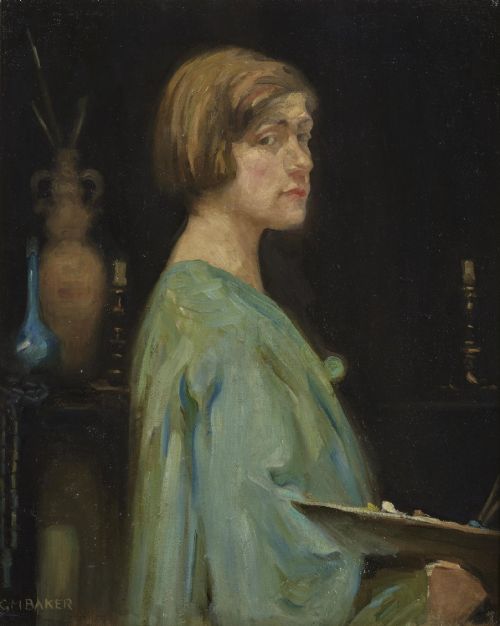
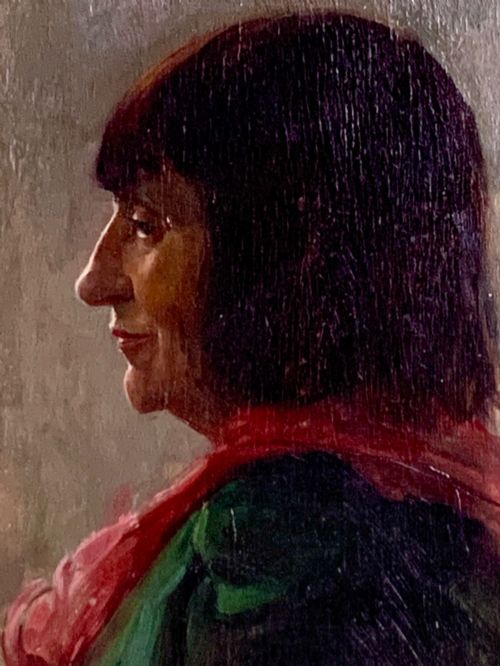
A green dress portrait canvas depicts a seated or standing figure rendered in oil paint on a woven fabric support, often highlighting the rich fabric of the garment. You will frequently encounter works spanning from the seventeenth century through the twentieth century, reflecting shifting aesthetic ideals across various European schools.
The subjects range from formally posed nobility in seventeenth-century silks to relaxed nineteenth-century depictions and later modernist interpretations. These paintings bring distinct historical presence and narrative depth into domestic interiors.
Materials and Construction
These pieces are built upon a woven canvas support prepared with a ground layer, upon which artists applied oil paint to build up flesh tones, drapery, and background details. Many works retain their original wooden stretcher frames, occasionally housed within period giltwood or gilded wood frames enhanced with gold leaf.
The physical application of oil paint allows for subtle blending and luminous glazing, particularly effective in rendering the sheen of silk and satin fabrics worn by the sitters.
Listings feature works spanning the seventeenth century to the mid-twentieth century, utilising oil paint on canvas alongside gilded wood frames.
Distinguishing Quality
The distinction between standard works and exceptional examples lies in the precision of brushwork, the psychological depth captured in the sitter's expression, and the anatomical accuracy of the hands and face. Superior canvases demonstrate a confident handling of light upon fabric folds and textures, distinguishing accomplished masters from workshop assistants.
Additionally, the survival of the original canvas tension, minimal historical overpainting, and an authentic period frame contribute significantly to the overall integrity and desirability of the artwork.
John Hayls·Nicolaes Maes·Thomas Gainsborough·Christian Caillard·Sir Peter Lely·John Osborn·Enoch Seeman·Francis Alleyne·Pierre-Louis Bouchard·Cowan Dobson RBA RP·John Michael Wright·Michael Dahl
The Green Dress Portrait Canvas Glossary
- Canvas
- A heavy woven fabric, typically linen or hemp, used as a support surface for oil paintings. It provides a flexible and durable ground when properly primed.
- Giltwood
- Wood that has been covered with a thin layer of gold leaf or gilt powder. This material is commonly found on ornate antique frames enclosing historic portraits.
- Oil Paint
- A slow-drying paint made by mixing pigments with a drying oil, most commonly linseed oil. This medium allows for rich colour saturation and smooth blending.
- School
- A grouping of artists sharing a similar style, geographic origin, or training tradition, often associated with a particular country or period. Attributions to a specific school indicate the stylistic circle of a master.
Green Dress Portrait Canvas: Frequently Asked Questions
How do I date a portrait canvas?
Dating relies primarily on the sitter's costume, hairstyle, and the painting technique visible on the canvas. Clothing styles, such as seventeenth-century silk gowns or Georgian tailoring, provide the most reliable chronological markers.
Secondary clues include the stretcher construction, canvas weave, and any inscriptions, signatures, or historical labels attached to the reverse of the frame.
Where should I hang a large oil painting?
A large oil portrait requires a sturdy wall capable of supporting the weight of both the canvas and its substantial wooden frame. Position the piece away from direct sunlight and dramatic temperature fluctuations to protect the oil pigments and canvas.
Traditional settings include principal reception rooms, dining halls, or above a mantelpiece where the scale of the artwork commands the space.
What is the significance of the green dress?
Green pigments in historical portraits often denoted wealth and social status, as high-quality green dyes were costly to produce. Silk and satin gowns rendered in this shade highlighted the patron's affluence.
In portraiture composition, the colour also served to draw the viewer's eye immediately to the central figure against darker, muted backgrounds.
How do I clean an antique oil canvas?
Surface dust should be gently removed using a soft, dry artist's brush without applying pressure to the paint layer. Avoid using water, household cleaners, or chemical solvents on the canvas surface.
Professional conservation is recommended for any deeper cleaning, varnish removal, or structural repairs to ensure the integrity of the historic paint layers.