

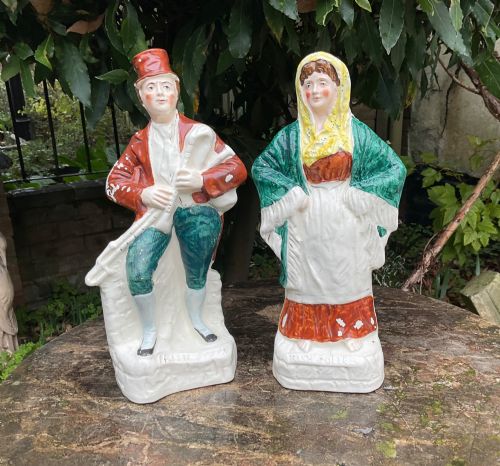
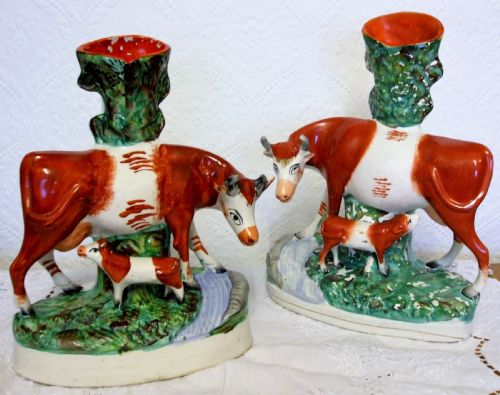


Green Ceramic Flatback Ornaments
Green ceramic flatback ornaments are quintessential Victorian parlour pieces, offering collectors charming depictions of cottages, animals, and theatrical figures designed to sit against a wall.
Green Ceramic Flatback Ornaments
Green ceramic flatback ornaments encompass a variety of Staffordshire figures, spill vases, and architectural models produced during the nineteenth century. These display a distinctive flat reverse designed to stand neatly on a mantelpiece or shelf rather than in the round.
Originating predominantly from English and Irish potteries, these pieces capture the popular culture and domestic tastes of the Victorian era. The presence of green glazes and enamel paint distinguishes many of these pastoral and portrait pieces from standard monochrome pottery.
Materials and construction
The flatback construction method involved pressing clay into moulds with an open back, which saved weight and material while allowing the piece to sit flush against household walls. Artisans then hand-painted specific highlights in enamel, ensuring that individual figures possessed unique variations despite the use of moulds.
Green Ceramic Flatback Ornaments Retail Price Guide 2026
Typical asking prices for green ceramic flatback ornaments among the pieces listed under this phrase on Sellingantiques today, from the lower quarter to the upper quarter. They describe what is for sale here now, not the wider market.
Listings feature earthenware materials and lead glazes applied to nineteenth-century Staffordshire forms.
Judging quality in nineteenth-century pottery
Quality in these figures rests primarily upon the crispness of the moulding and the dexterity of the enamel painting. Finer examples retain sharp architectural details on cottages or precise facial expressions on portrait figures, whereas lesser pieces suffer from blurred lines and messy pigment application.
The richness and stability of the glaze also dictate the visual appeal of a piece. Even application of lead glaze without excessive pooling or dry patches distinguishes superior studio output from standard commercial production.
The Green Ceramic Flatback Ornaments Glossary
- Flatback
- A ceramic figure modelled with a finished front and sides but a flat, unadorned reverse. This design allowed large decorative groups to sit securely on narrow mantelpieces.
- Spill vase
- A hollow pottery cylinder integrated into a figure or cottage design, intended to hold wooden spills for lighting pipes and fires. These combine practical domestic utility with decorative charm.
- Earthenware
- A porous pottery body fired at relatively low temperatures and rendered waterproof through the application of glaze. This material formed the standard base for Victorian Staffordshire figures.
- Enamel paint
- Opaque vitreous pigment applied over a fired glaze and heated gently to fuse with the surface. It provides the bright surface colours characteristic of nineteenth-century portrait figures.
- Lead glaze
- A shiny, transparent coating containing lead oxide applied to pottery before firing. It enhances surface reflectivity and deepens the perceived intensity of the underlying clay body.
Green Ceramic Flatback Ornaments: Frequently Asked Questions
What are green ceramic flatback ornaments?
These are nineteenth-century Staffordshire pottery pieces featuring a flat reverse designed to sit against a wall. They depict a wide array of subjects including animals, cottages, and theatrical figures.
Potters moulded earthenware clay into these specific shapes before finishing them with lead glaze and enamel paint. They served as popular household decorations in Victorian homes.
How were spill vases used?
Spill vases incorporated a hollow cylindrical tube alongside the main sculptural figure to hold wooden spill sticks. These sticks were lit from the hearth fire and carried across the room to ignite candles or tobacco.
This practical function made them standard accessories on Victorian mantelpieces before the widespread availability of matches.
How do I date Victorian pottery figures?
Dating relies on stylistic clues such as the specific subjects portrayed, clothing styles, and the characteristics of the glaze and enamel. Figures depicting contemporary royalty or theatre stars offer reliable historical markers for the manufacturing period.
Examining the underside and the construction method also helps establish whether a piece belongs to the nineteenth-century production window.
How should I display these ornaments?
Because of their flatback design, these pieces sit best on narrow shelves, mantelpieces, or wall-anchored ledges where the finished front faces the room. Placing them away from direct, harsh sunlight preserves the vibrancy of the hand-painted enamel colours.
Pairing matching figures together, such as equestrian groups or seated couples, reflects their original Victorian arrangement.