
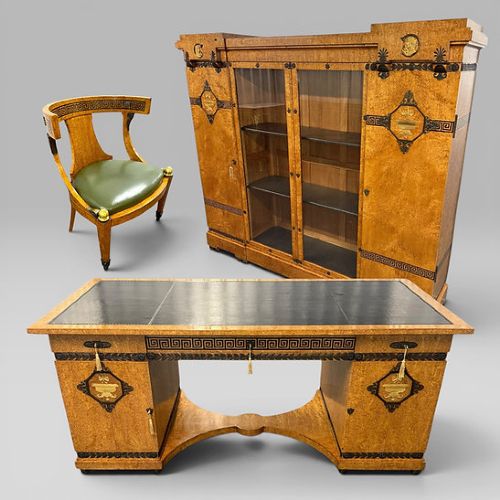




Green Cabinet with Desk
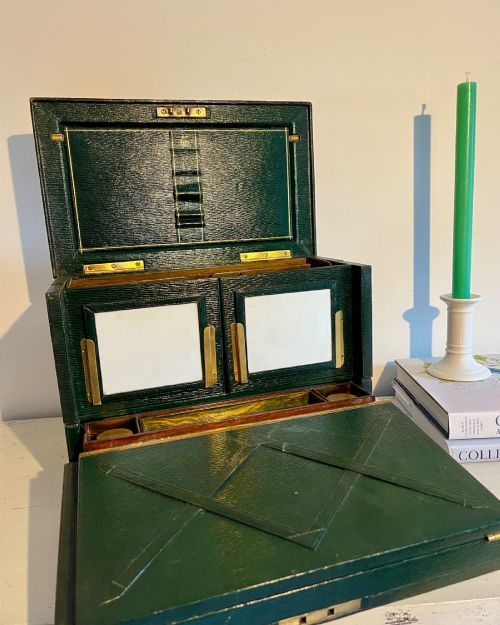
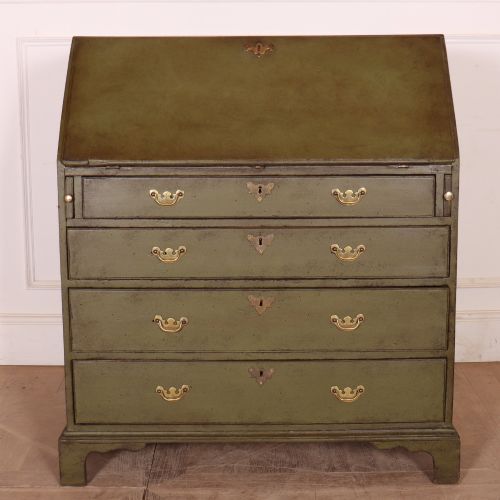
A green cabinet with desk brings together fitted workspace and enclosed storage, offering the charm of period timber with practical practicality.
Green Cabinet with Desk
When you search for a green cabinet with desk, you encounter a variety of antique forms designed for writing and storage across multiple eras. The pieces recorded in the evidence span from the Georgian period through the Victorian and Edwardian eras up to nineteen-twenty.
How they were made
The pieces listed utilise traditional timbers like mahogany, oak, walnut, and rosewood, often enhanced with secondary woods and decorative veneers such as satinwood and burr walnut. Brass hardware, leather inserts, and glass components appear across the inventory alongside iron and steel elements.
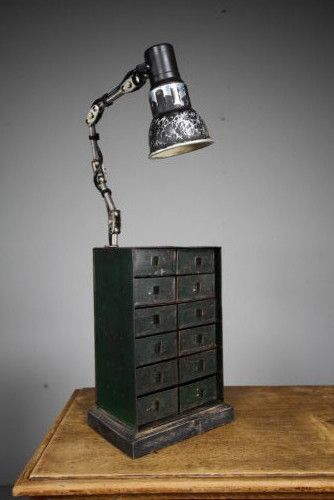
Construction methods range from heavily carved ornamentation to sleek sliding tops and specialised fitted compartments. Metal and lighting fixtures integrate into pieces like jewellers chests, demonstrating period utilitarian adaptation.
What varies in quality
Quality in these writing pieces rests upon the selection of timber veneers, the crispness of carved details such as green man motifs, and the precision of mechanical elements like sliding tops. Superior examples display cohesive timber grain and intact original hardware.
The Green Cabinet with Desk Glossary
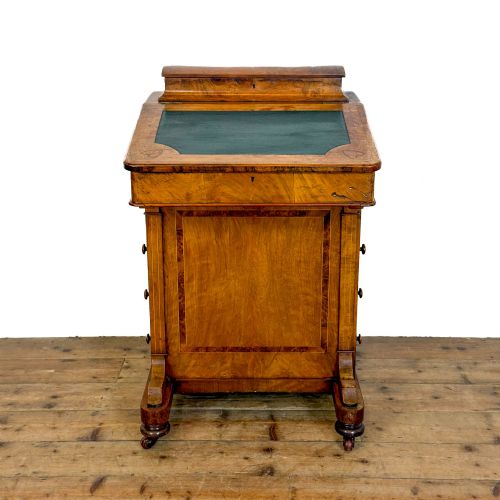
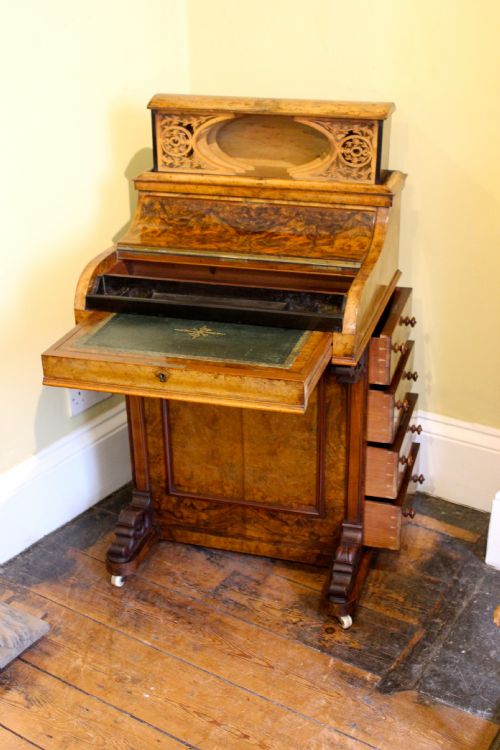
- Davenport
- A compact pedestal desk originating in the Regency period featuring a sloped writing surface and drawers opening to the side. It often incorporates a stationery box on top.
- Bonheur du jour
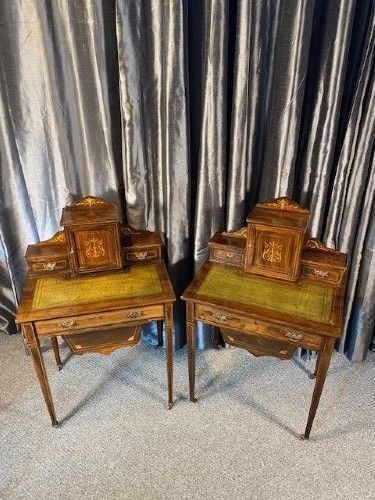
- A light lady's writing desk originating in France, equipped with a small cabinet or set of shelves on the upper surface. The Edwardian example listed reflects this refined form.
- Secretaire
- A cabinet or chest of drawers containing a pull-down writing drawer with fitted compartments. It conceals private papers and writing materials behind a panelled exterior.
Green Cabinet with Desk: Frequently Asked Questions
What is a green cabinet with desk?
It is an antique writing piece combining enclosed storage with a dedicated surface for correspondence.
These items range from compact davenports to larger carved bureaux and ladies writing desks.
How were these desks used?
They served as private stations for writing letters, managing household accounts, and storing important papers.
The fitted interiors and pigeonholes kept stationery organised while the enclosed cabinets secured valuables.
How do I live with one?
Position the piece in a study, drawing room, or bedroom where the writing flap or sliding top can be easily accessed.
Protect timber surfaces from direct sunlight and excessive heat to preserve the polish and leather inserts.
How do I identify the period?
Examine the timber choices, hardware styles, and overall decorative motifs to determine the era of manufacture.
Georgian and Regency pieces display different proportions and veneer treatments compared to Victorian and Edwardian examples.