


Green Brown Painting
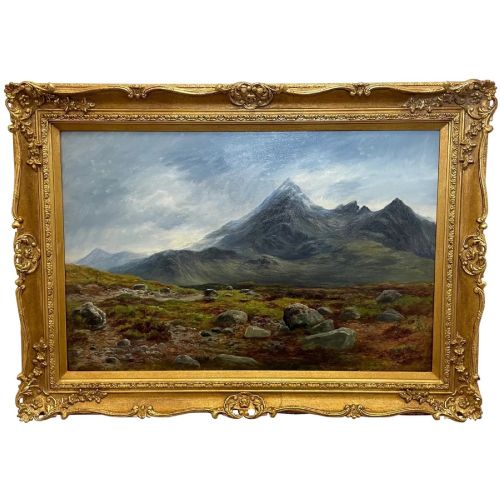
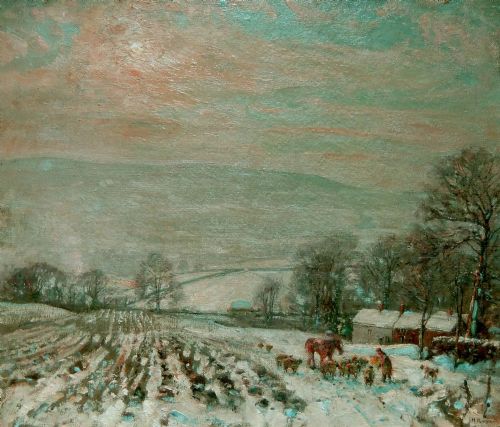
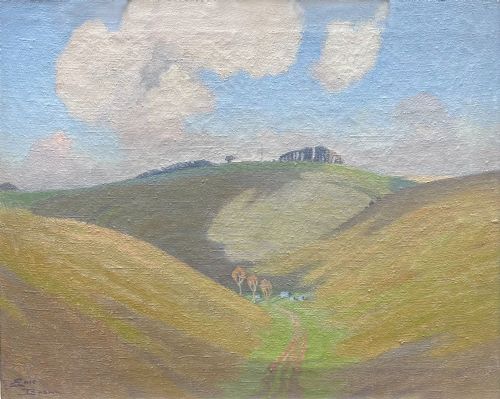
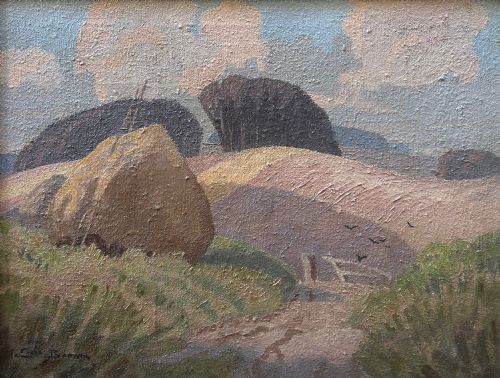
When you search for green brown painting, you step into a world of historic landscapes and rustic oils rendered in earthy palettes.
Green Brown Painting
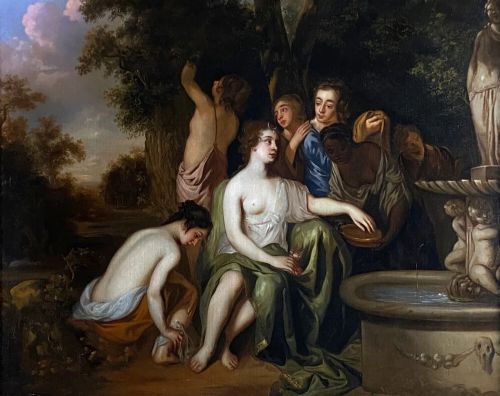
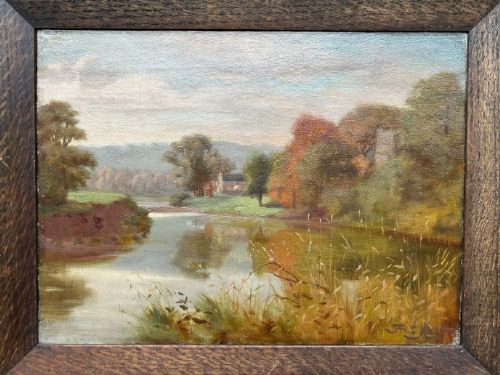
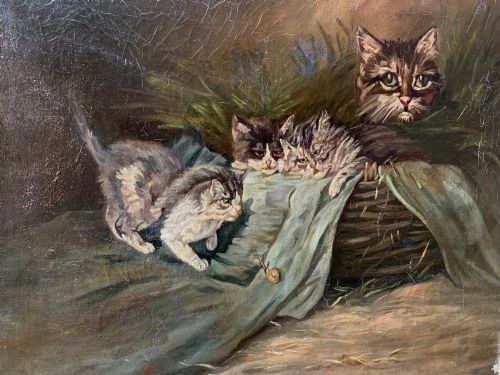
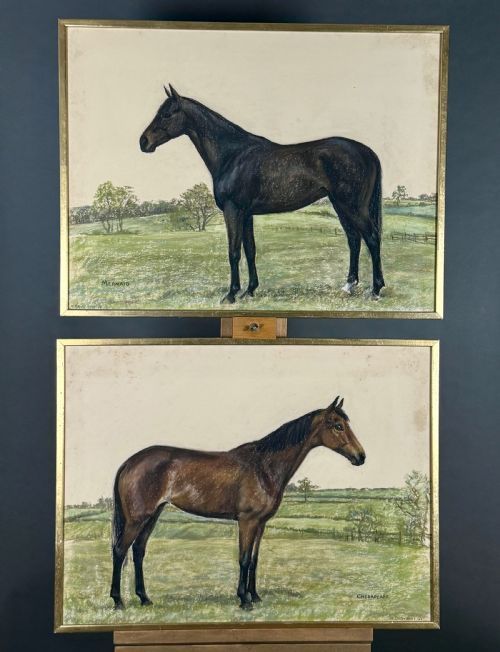
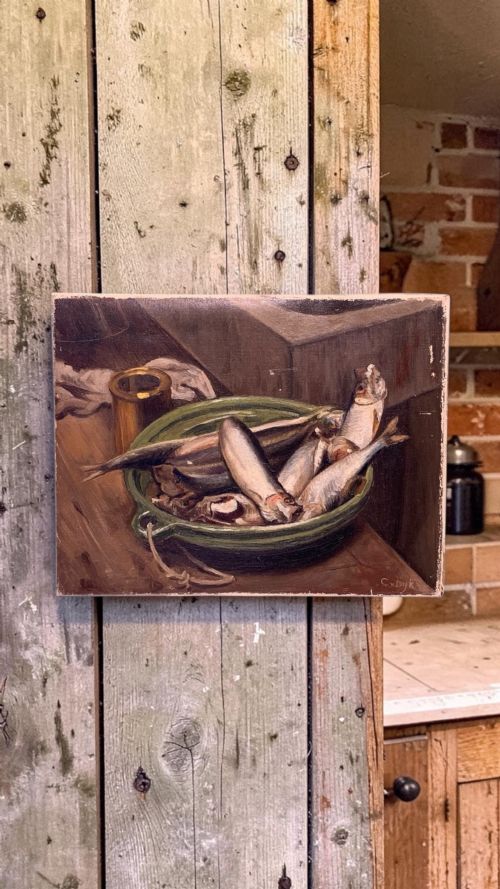
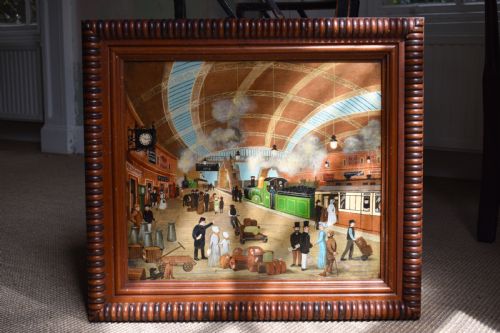
When searching for green brown painting, a buyer encounters a diverse array of historic works spanning the nineteenth and twentieth centuries. These pieces predominantly take the form of traditional oil paintings, watercolours, and decorative ceramic plaques capturing landscapes, portraits, and still life scenes.
How they were made
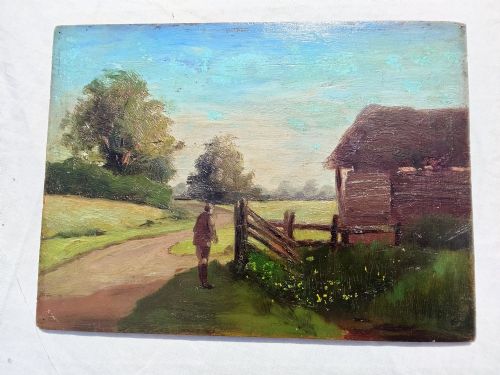
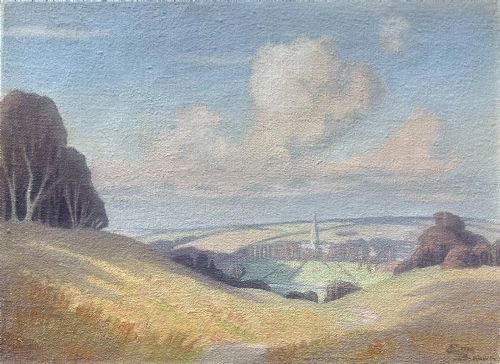
Artists primarily applied oil paint onto primed canvas, prepared wood panels, or sturdy paper supports, building up rich textures using traditional brushes. Pigments dominated by natural greens and browns were carefully layered to capture the depth of woodlands, pastures, and riverbanks.
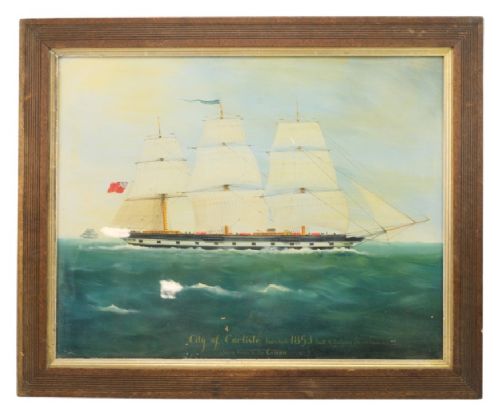
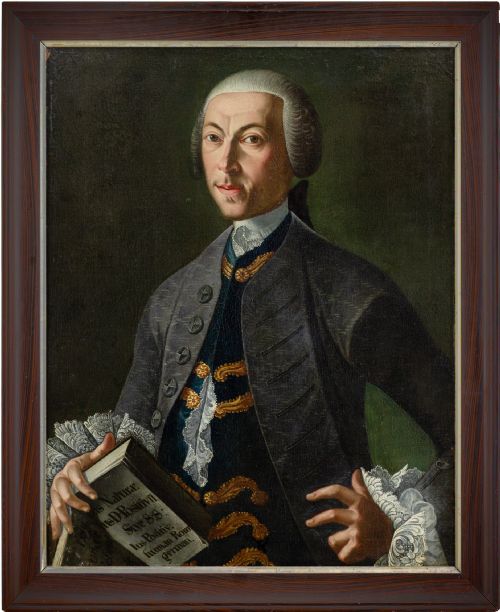
Certain items incorporate alternative mediums such as watercolour washes on paper or hand-painted details on Victorian pottery plaques and porcelain surfaces. Wood panels and canvases were frequently framed within period surrounds, occasionally featuring canvas laid onto board for additional stability.
Listings feature works spanning the 19th and 20th centuries, executed in oil paint, watercolour, and pastel on canvas, wood, and paper.
What varies in quality
The distinction between standard works and superior examples rests upon the confidence of the brushwork and the subtlety of tonal transition within the composition. Masterful handling of light and shadow transforms a simple woodland scene into a compelling study of atmosphere.
Condition of the physical support and the preservation of the original pigment layers also influence the standing of a piece. Works retaining their untouched surface integrity and early framing demonstrate superior historical survival.
William Beattie-Brown·Tom Campbell·Frederick Marriott·Herbert Royle·Richard Redgrave·Paul Ehrenberg·Alexander Wellwood Rattray·Sydney Yates Johnson·John Horace Hooper·John Sanderson Wells·Owen Bowen·Samuel Joseph Clark
The Green Brown Painting Glossary
- Oil paint
- A slow-drying paint made by combining pigment particles with a drying oil, typically linseed oil. This medium allows artists to blend tones smoothly and build thick impasto layers.
- Wood panel
- A rigid flat wooden surface utilised as a support for painting before stretched canvas became standard. Panels provide a firm backing that preserves fine detail over centuries.
- Watercolour
- A painting method where water-soluble pigments are suspended in a water-based solution. It produces transparent washes of colour, often applied to paper supports.
- Pastel
- A dry drawing medium consisting of powdered pigment combined with a binder. It creates velvety coloured surfaces requiring protective glazing.
- Provenance
- The documented history of ownership associated with a work of art. Clear records confirm authenticity and trace the journey of a piece through time.
Green Brown Painting: Frequently Asked Questions
What periods do these paintings cover?
The selections encompass pieces created across the nineteenth and twentieth centuries, reflecting changing artistic movements from Victorian pastoralism to early twentieth-century British impressionism.
Dates span from the mid-nineteenth century through to mid-century modern examples, offering a broad chronological spread of historic fine art.
How should I care for an oil painting?
Display oil paintings away from direct sunlight and dramatic fluctuations in temperature or humidity to protect both the canvas support and the delicate pigment layers.
Dust the surface gently with a soft, dry brush and avoid using chemical cleaning agents or water on historic painted areas.
What is a wood panel painting?
Wood panel paintings utilise a solid piece of timber as the primary support rather than woven canvas, offering a rigid and durable base for the artist.
This historic technique was favoured for its stability and is frequently encountered in nineteenth-century landscapes and regional school works.
Are these works signed by the artist?
Many examples feature original artist signatures, monograms, or period inscriptions either on the front of the composition or verso on the frame and backing.
Unsigned pieces are often attributed to specific regional schools or historic movements based on stylistic analysis and period materials.