


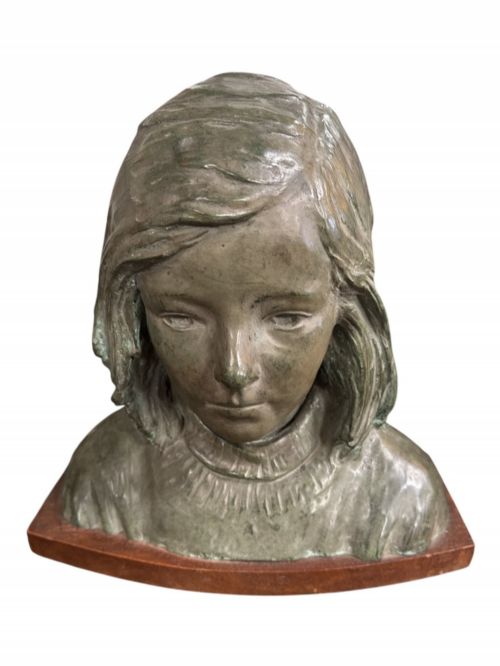


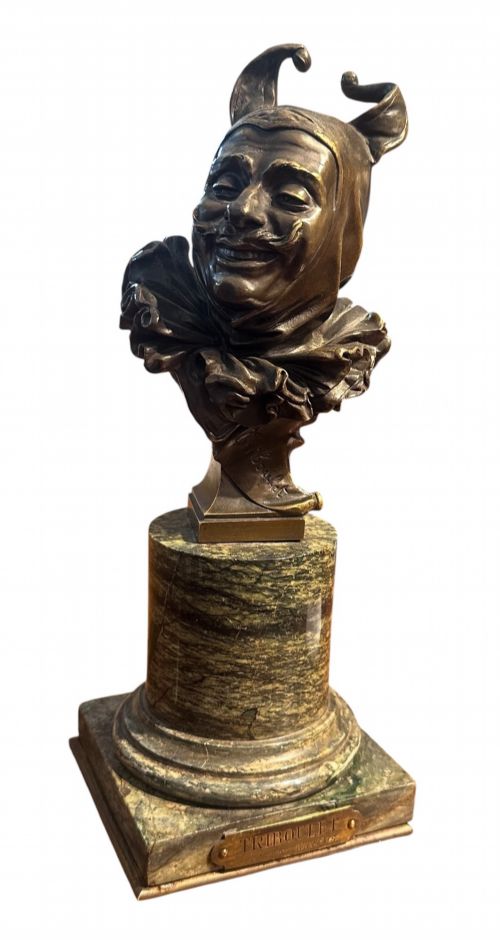


Green Bronze Bust
These green bronze bust sculptures bring classical figures and historical subjects directly to your desk or shelf.
Green Bronze Bust
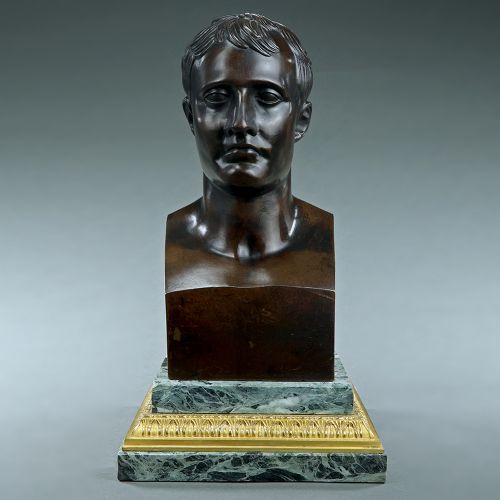
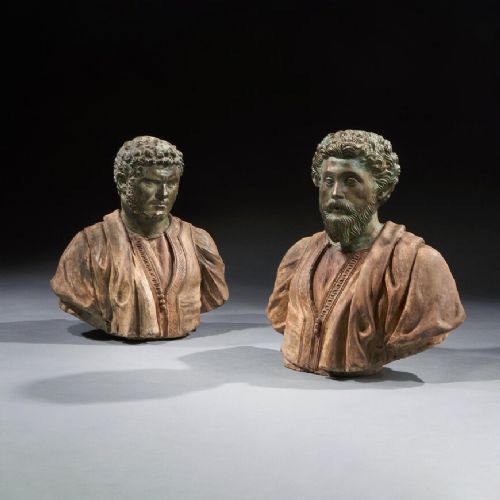
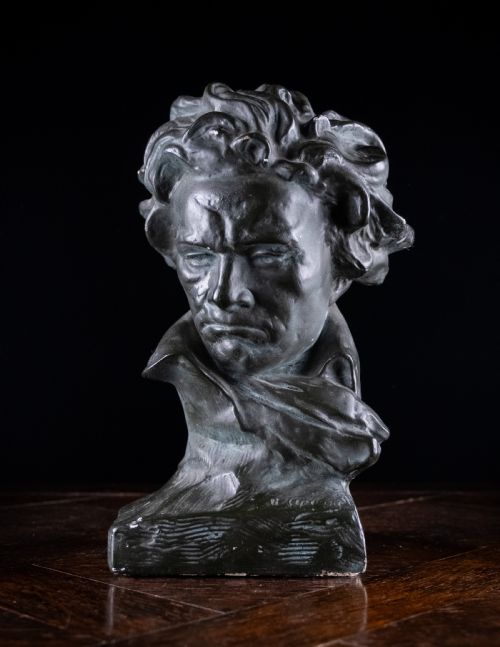
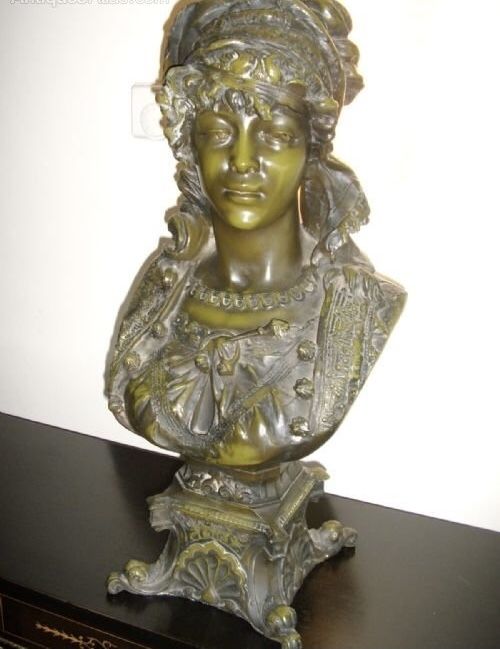
A green bronze bust captures historical personages, classical deities, and literary figures in cast metal with patinated surfaces. You will frequently encounter representations modelled after antique Greek and Roman originals, alongside Grand Tour souvenirs and nineteenth-century French portrait studies.
The selections range from modest cabinet studies of classical scholars to larger allegorical figures mounted on marble stands. Makers rendered these subjects in diverse materials beyond cast metal, including terracotta, painted plaster, and spelter finished with verdigris tones.
How they were made
Foundries utilised traditional casting techniques to shape molten bronze and brass before applying chemical patinas to achieve aged green and verdigris surfaces. Artisans often combined these metal elements with carved marble bases or gilt bronze mounts to complete the composition.
Green Bronze Bust Retail Price Guide 2026
Typical asking prices for green bronze bust among the pieces listed under this phrase on Sellingantiques today, from the lower quarter to the upper quarter. They describe what is for sale here now, not the wider market.
The listings feature works spanning from the Georgian period through the Art Deco era, encompassing materials like marble, terracotta, and cast metal.
What varies in quality
Execution of the base and mounts also indicates distinction. Finer pieces incorporate heavy marble plinths, signed foundry marks, or detailed subsidiary elements like ormolu collars.
Henry Wissen Senior·Willems·Goldscheider
The Green Bronze Bust Glossary
- Patina
- The surface coloration or sheen developed through age or chemical treatment. On these pieces, it frequently appears as a green or verdigris tone mimicking ancient metal corrosion.
- Grand Tour
- A cultural journey undertaken by nineteenth-century travellers who collected small-scale souvenir sculptures. These reproductions often depicted classical deities or ancient Greek and Roman works.
- Spelter
- A zinc alloy commonly utilised as an economical alternative to bronze. It was often painted or patinated to resemble heavier metals in nineteenth-century decorative figures.
- Ormolu
- Gilt bronze mounted onto decorative objects or furniture. The technique involves applying finely ground gold to a bronze base.
Green Bronze Bust: Frequently Asked Questions
What subjects do these busts typically depict?
The subjects range from classical Greek and Roman deities like Apollo and Hypnos to historical figures and literary characters. Sculptors also portrayed classical philosophers such as Hippocrates and historical rulers like Napoleon.
Many of these figures derive from ancient sculptures encountered by travellers on the Grand Tour. Others represent nineteenth-century interpretations of mythological or allegorical themes.
Where were these pieces displayed historically?
Owners traditionally placed them on library shelves, study desks, and mantelpieces as objects of contemplation and erudition. Grand Tour souvenirs served as tangible proof of a classical education and European travel.
Smaller formats functioned as decorative desk accessories, sometimes incorporating inkwells or pen trays into the base.
How do I distinguish bronze from spelter?
Bronze possesses greater weight, coldness to the touch, and durability compared to zinc-based alloys. Spelter is softer and may reveal a greyish metal beneath the surface finish if chipped.
Foundry marks and the crispness of the casting detail also help differentiate traditional bronze casting from mass-produced spelter figures.
How should I care for a patinated metal surface?
Dust the surface gently with a soft, dry brush to prevent the accumulation of grit in the recesses of the casting. Avoid using chemical cleaners or abrasive polishes that can strip away the aged green patina.
Keep the pieces away from excessive moisture and direct sunlight to preserve the stability of the metal and any attached marble or terracotta elements.