

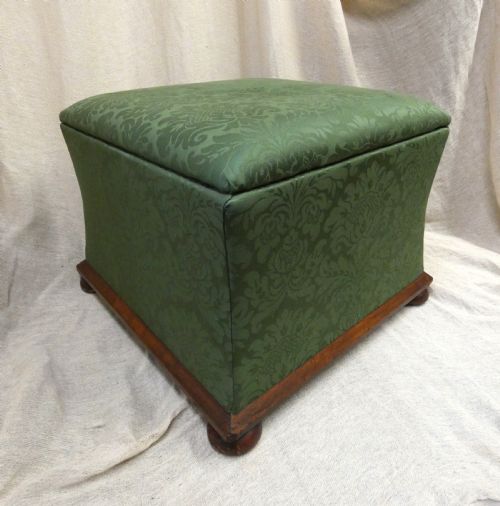


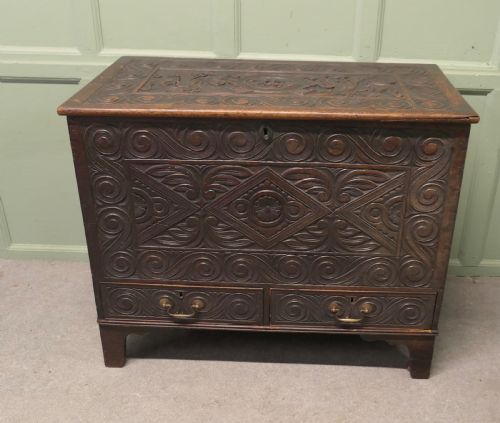


Green Blanket Chest
A green blanket chest brings enduring colour and sturdy utility to a hallway or bedroom.
Green Blanket Chest
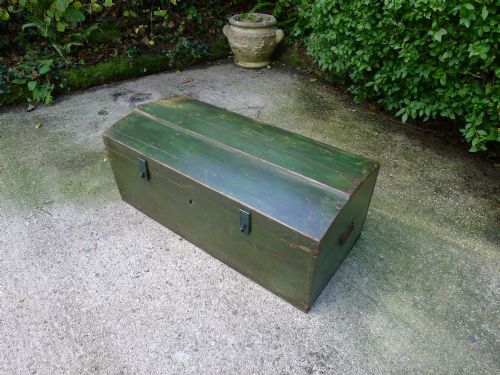
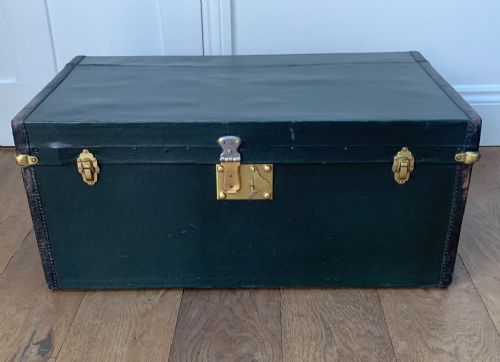
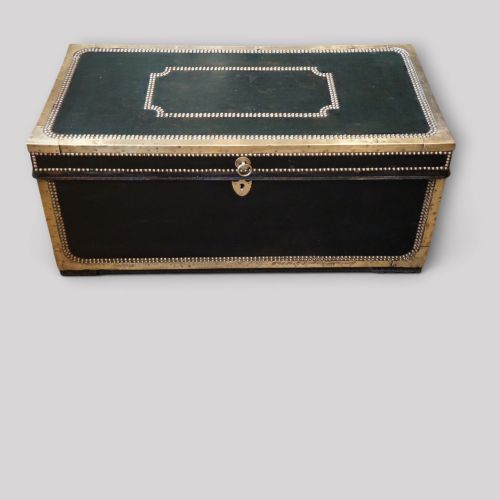
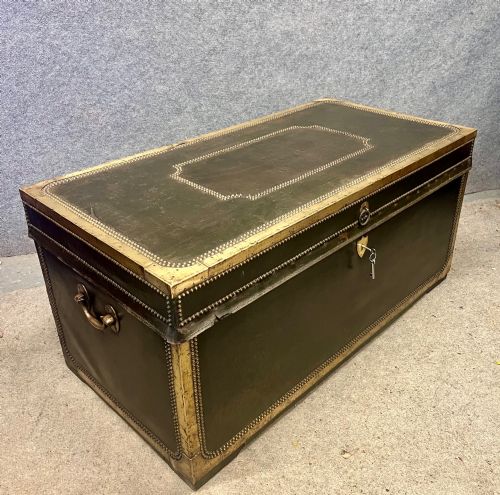
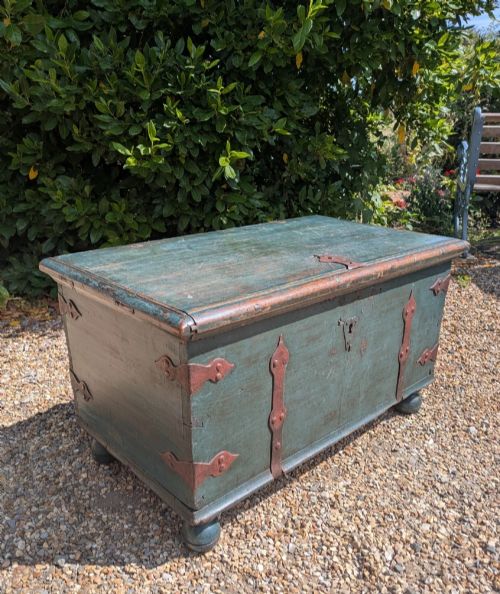
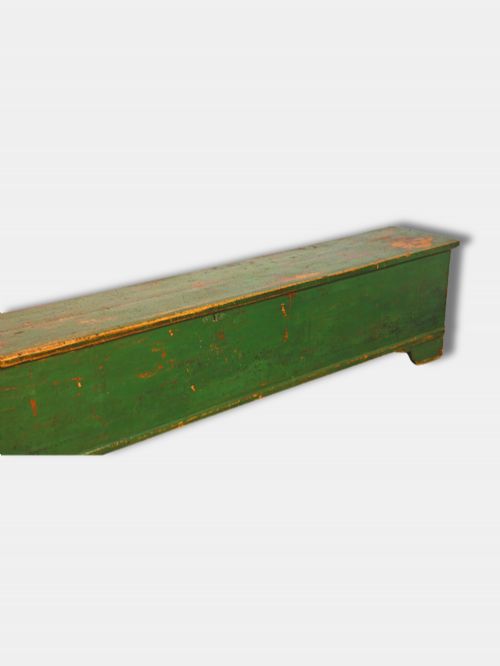
A green blanket chest provides traditional storage in solid pine, oak, and camphor wood, often finished with original painted surfaces or leather coverings. These practical containers take many forms, from simple country pine boxes to substantial campaign trunks and carved oak coffers.
The pieces on this page span the eighteenth, nineteenth, and early twentieth centuries, reflecting diverse regional traditions including Dutch, Welsh, Swedish, and China Trade origins. Buyers are most likely to encounter painted pine blanket boxes and sturdy oak chests dating from the Victorian and Regency periods.
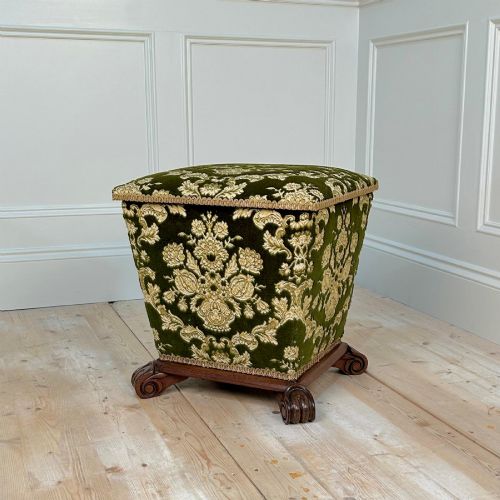
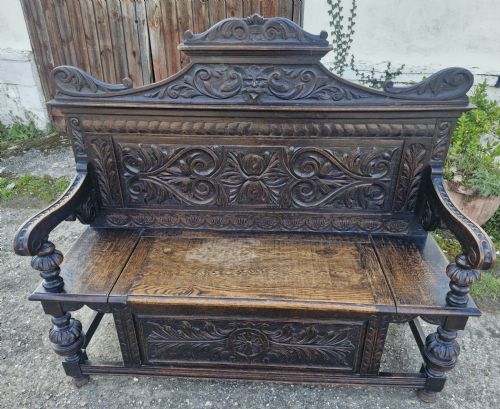
Beyond basic domestic storage, these versatile items function as hall benches, log boxes, and ottomans. Their robust construction and distinctive green finishes make them enduring focal points for modern interiors seeking period character.
How they were made
Carpenters constructed these chests primarily from solid pine and oak, frequently employing dovetail joints and sturdy planking to ensure lasting strength. Iron strapwork, brass studding, and wrought iron hinges reinforced the corners and lids of travel trunks and heavy storage boxes.
Surfaces were finished with durable oil paints, layered pigments, or applied leather bound with brass tacks, particularly on campaign and trade pieces. Carved details, such as green man motifs and panelled mouldings, were hand-chiselled into oak and pine bodies by period artisans.
Green Blanket Chest Retail Price Guide 2026
Typical asking prices for green blanket chest among the pieces listed under this phrase on Sellingantiques today, from the lower quarter to the upper quarter. They describe what is for sale here now, not the wider market.
What varies in quality
The preservation of original painted surfaces and early patination distinguishes superior examples from heavily restored or later repainted pieces. Authentic wear on leather, paint, and hardware demonstrates genuine age and historical use.
The sophistication of construction, from hand-forged iron strapwork and fine dovetailing to elaborate oak carving and retained keys, separates standard domestic boxes from high-status campaign trunks and regional artisan chests.
The Green Blanket Chest Glossary
- Campaign trunk
- A portable storage chest designed for military officers on the move, typically fitted with brass corners, strapwork, and recessed carrying handles.
- Coaching trunk
- A sturdy travelling chest built to withstand the rigours of stagecoach transport, usually constructed from wood with reinforced iron or leather bindings.
- Mule chest
- A traditional storage chest featuring one or more drawers beneath the main compartment, combining the utility of a box and a small chest of drawers.
- Armada chest
- A heavy iron-bound steel or iron strongbox, often featuring elaborate internal locking mechanisms concealed beneath the lid.
- Kist
- A traditional northern European or Celtic regional term for a heavy wooden storage chest or box used for linens and blankets.
Green Blanket Chest: Frequently Asked Questions
What is a green blanket chest?
A green blanket chest is a wooden storage box finished in paint or leather, used historically for linens, blankets, and travel.
These pieces range from simple pine cottage boxes to elaborate oak coffers and military campaign trunks.
How old are these chests?
The pieces listed here date primarily from the eighteenth, nineteenth, and early twentieth centuries.
Earlier examples feature hand-forged ironwork and original paint, while later Victorian versions often incorporate carved oak and pine construction.
Where should I place a blanket chest?
These versatile chests suit bedrooms for bedding storage, or hallways where they function as practical seating benches.
Sturdy oak versions also serve well as living room log boxes or coffee tables with internal storage.
How do I care for an antique painted chest?
Keep wooden chests out of direct sunlight and away from sudden temperature fluctuations to protect the original paint and timber.
Dust gently with a dry cloth and avoid harsh chemical cleaners that might damage aged finishes.