







Green Art Deco Ornament
These green art deco ornament pieces bring the striking geometry and modernist spirit of the early twentieth century directly into a room.
Green Art Deco Ornament
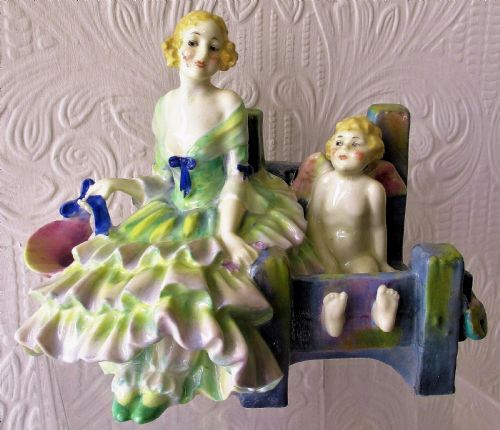
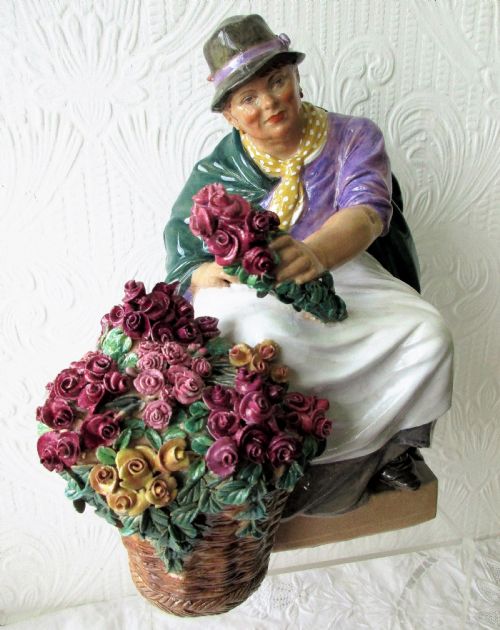
When searching for a green art deco ornament, buyers encounter a diverse selection of sculptural figures, ceramic figurines, and desk studies spanning the early decades of the twentieth century. The period styles lean heavily into the characteristic streamlined elegance and dynamic movement of the interwar years.
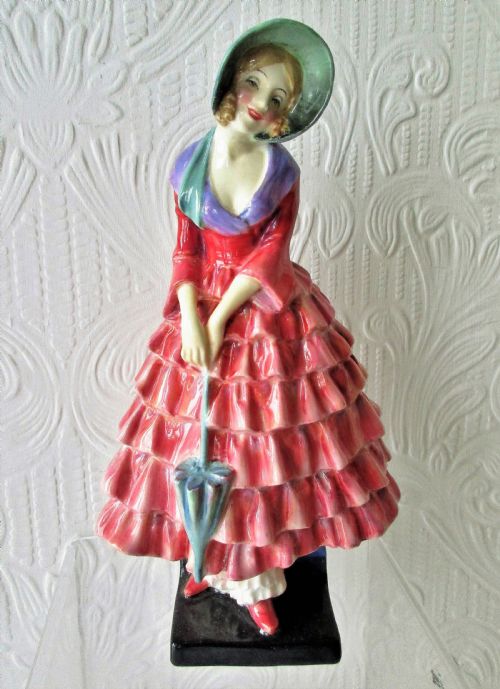
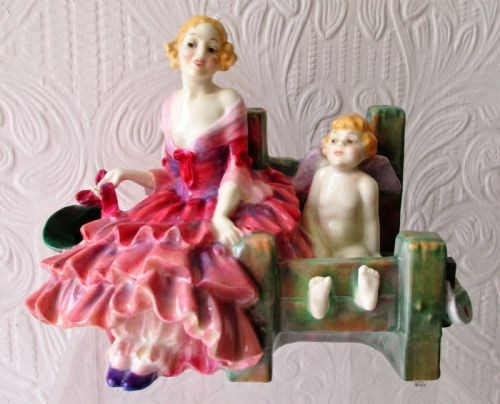
The most common versions met on this page include animal sculptures, sporting figures, and female dancers rendered in ceramic, porcelain, and various metals mounted on stone plinths. These pieces capture the distinctive aesthetic of European workshops working during the nineteen twenties and thirties.
Materials and construction methods
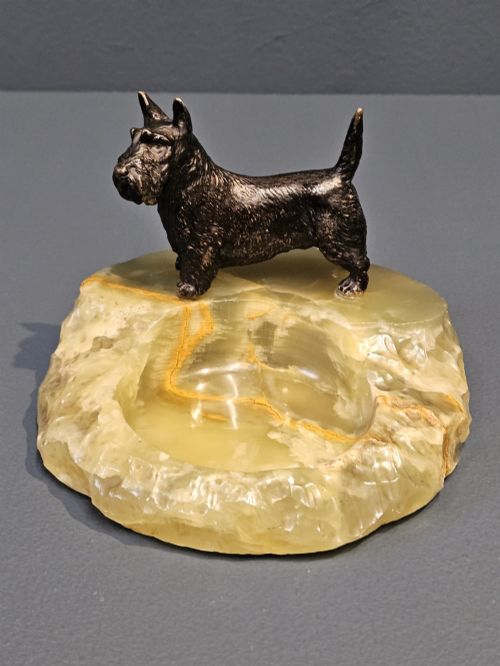
Metal figures frequently utilise cold-painted bronze or spelter cast from detailed models, often set upon heavy black marble or onyx bases. Ceramic and porcelain examples display rich glaze techniques, ranging from glossy monochromatic surfaces to delicate hand-painted polychrome details.
The combination of cast metal with natural stone plinths provides stability and structural contrast typical of the period. Artisans applied surface finishes such as silvering or cold painting directly onto the metal substrates to enhance decorative depth.
Green Art Deco Ornament Retail Price Guide 2026
Typical asking prices for green art deco ornament among the pieces listed under this phrase on Sellingantiques today, from the lower quarter to the upper quarter. They describe what is for sale here now, not the wider market.
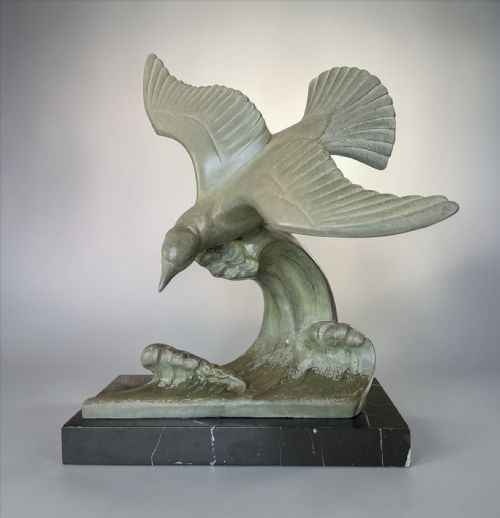
Among the creatures immortalised in bronze and ceramic on this page, an albatross wings its way above a crested wave.
Assessing quality and craftsmanship
Superior examples demonstrate crisp casting definition in the metalwork or precise moulding and glaze control in the ceramics. Finer pieces retain their original surface treatments, such as cold-painted pigments or gilded details, without significant loss or overpainting.
The choice and execution of the mounting materials distinguish finer studio output, where bases of genuine onyx or black marble are properly fitted and polished. Stronger artistic attribution to known modellers elevates the standing of an individual sculpture.
Josef Lorenzl·Royal Doulton·Charles Vyse·Bruno Zach·Pierre le Faguays
The Green Art Deco Ornament Glossary
- Spelter
- A zinc alloy commonly utilised as a less expensive alternative to bronze for casting decorative figures during the early twentieth century. It accepts metallic finishes well but is softer than genuine bronze.
- Cold-painted bronze
- A bronze sculpture decorated with oil-based paints applied after the casting process rather than fired into the metal. This technique allows for intricate polychrome surface detailing.
- Onyx
- A banded variety of chalcedony frequently used for sculptural plinths and bases during the art deco period. Its natural translucence and varied banding provide a solid foundation for metal figures.
- Bone china
- A type of porcelain composed of bone ash, feldspar material, and kaolin, known for its high strength and milky white appearance. It forms the body of many decorative ceramic figurines from the era.
Green Art Deco Ornament: Frequently Asked Questions
How do I care for a bronze figure?
Keep metal sculptures out of direct sunlight and away from excessive moisture to protect the surface finishes and cold-painted details.
Dust gently with a soft, dry cloth without applying harsh chemical polishes or modern cleaning agents.
Are these items from the actual period?
The selections shown date primarily from the early twentieth century, spanning the nineteen tens through the nineteen forties.
Design motifs and manufacturing techniques align with authentic interwar European production standards.
How were ceramic figures decorated?
Ceramic pieces were finished with specialised glazes or hand-painted details applied before a final high-temperature firing.
This process secured the colour beneath a protective vitreous layer for lasting durability.