



Green Art Deco Ceramics
Green art deco ceramics bring striking colour and geometric flair to interior spaces through distinctive figurines, vases, and decorative bowls.
Green Art Deco Ceramics
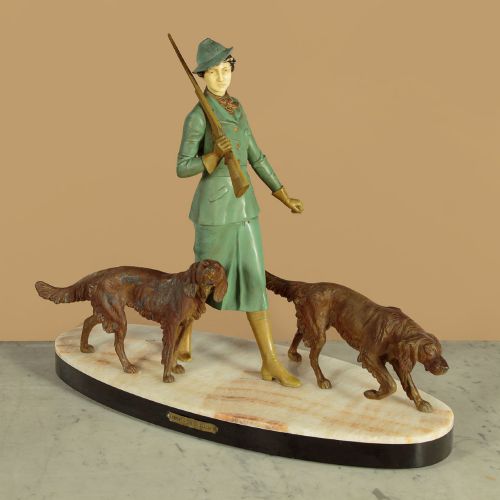
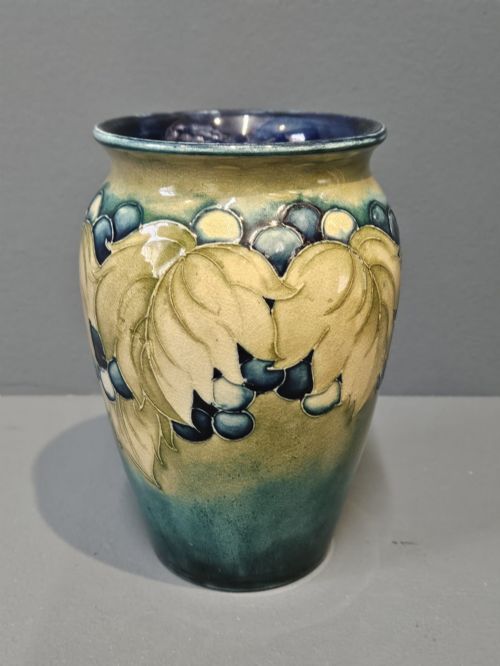
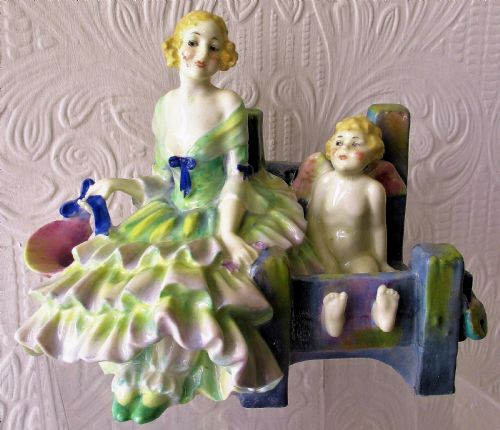
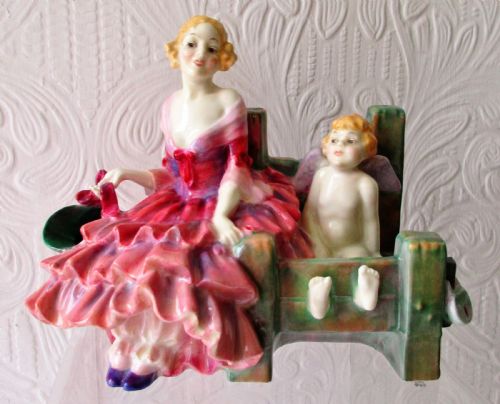
Green art deco ceramics comprise decorative objects such as vases, figurines, bowls, and table lamps created primarily during the nineteen-thirties and surrounding decades. These pieces showcase characteristic modernist designs, often reflecting the aesthetics of the period through stylized animal figures and human forms.
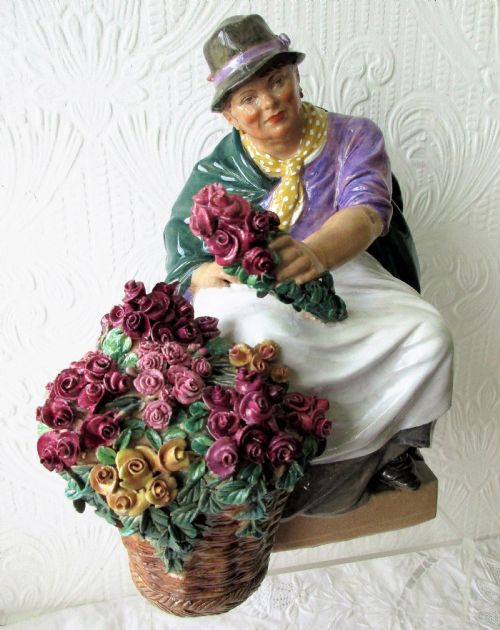
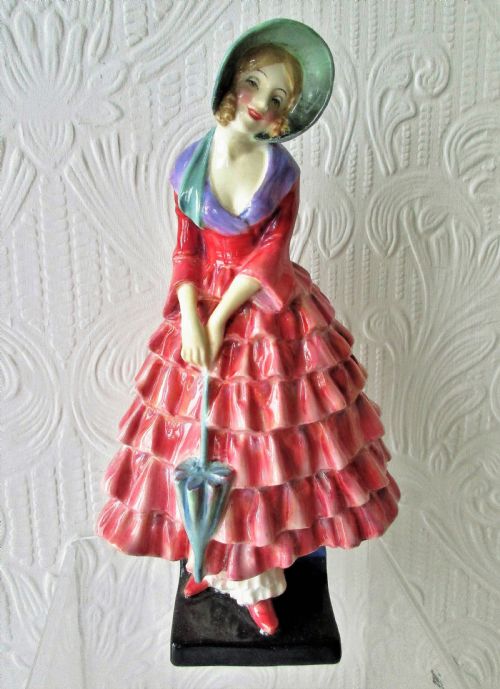
Figurines and half dolls dominate the selection, frequently depicting flapper girls, ladies in dresses, and animals like cats and pheasants. Collectors encounter various functional items too, including powder boxes, perfume vanity sets, and trinket boxes.
The objects originate from English, French, and German makers, spanning periods from Edwardian times through the nineteen-forties. Vases and decorative bowls provide bolder expanses of colour, while smaller sculptures focus on character and costume.
Materials and production methods
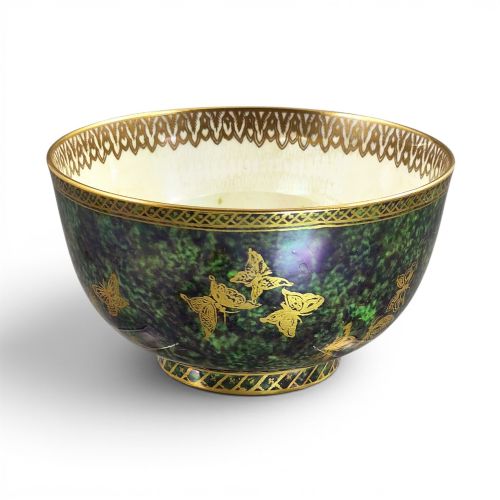
Potters utilised ceramic, earthenware, porcelain, and bone china as foundations for these items, applying glazes to achieve the characteristic green colouration. Lustre glaze finishes and gold leaf details add reflective surfaces and metallic highlights to specific pieces.
Makers employed hand-painted techniques and high-fired pottery processes to secure durable finishes on items such as vases, chargers, and figures. Glass eyes appear on selected sculptural works to enhance realism within the stylized designs.
Green Art Deco Ceramics Retail Price Guide 2026
Typical asking prices for green art deco ceramics among the pieces listed under this phrase on Sellingantiques today, from the lower quarter to the upper quarter. They describe what is for sale here now, not the wider market.
Judging quality and execution
Quality separates through the precision of hand-painted details and the depth achieved by glaze applications, particularly in lustre and celadon finishes. Superior pieces demonstrate crisp moulding in figures and bowls, preserving fine facial expressions and distinct costume lines.
The reputation of the pottery or designer influences the standing of an object, with recognised studios and named artists exhibiting greater refinement in form and surface treatment. The complexity of the subject matter, such as multi-handled vessels or intricate figural poses, also distinguishes finer examples.
Charles Vyse·Fasold & Stuach·Keith Murray·Le Manceau·Mabel Lucie Attwell·Moorcroft·Richard Joyce·Royal Doulton·Royal Lancastrian·Royal Winton·Wedgwood
The Green Art Deco Ceramics Glossary
- Half doll
- A ceramic figure modelled from the waist up, historically designed to sit atop powder puffs, pin cushions, or brushes.
- Lustre glaze
- A type of pottery glaze containing metallic oxides that produce an iridescent, shimmering surface effect when fired.
- Celadon
- A pale grey-green glaze originating from ancient traditions, utilised on pottery to impart a translucent jade-like appearance.
- Earthenware
- Porous pottery fired at lower temperatures, commonly used for decorative vessels and figures before being glazed.
- Flapper girl
- A cultural archetype of the nineteen-twenties representing modern young women, frequently captured in ceramic figurines of the period.
Green Art Deco Ceramics: Frequently Asked Questions
What are half dolls used for?
Half dolls serve as decorative upper torsos originally attached to functional boudoir items such as powder puffs, pin cushions, and perfume brushes.
Collectors prize them for their detailed representations of period fashion and hairstyles.
How do lustre glazes differ?
Lustre glazes incorporate metallic elements that create iridescent sheens and reflective surfaces during the firing process.
Different studios utilised distinct formulas to produce variations in colour depth and metallic sheen.
Where were these ceramics made?
These ceramics originate from various European centres, with significant production coming from English potteries and continental workshops.
Specific pieces reflect the distinct regional styles of English studio pottery and German porcelain manufacturers.
How do I style these ceramics?
These pieces function well as standalone display objects on mantelpieces, vanity tables, and display cabinets.
Their distinctive colour allows them to act as focal points within modern or traditional interiors.