



Green and Pink Painting
A green and pink painting brings together vibrant floral hues and subtle botanical tones in oil, watercolour, and porcelain.
Green and Pink Painting
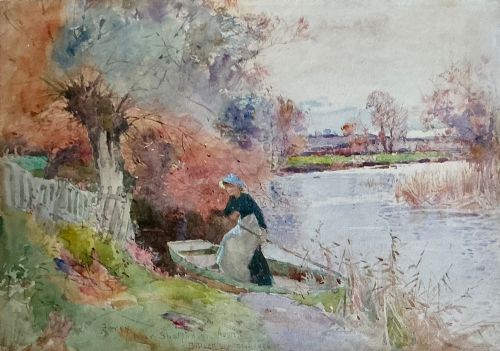
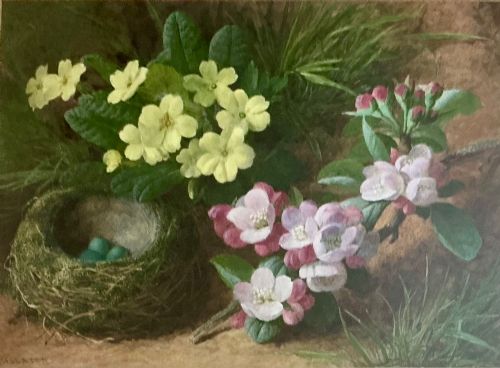
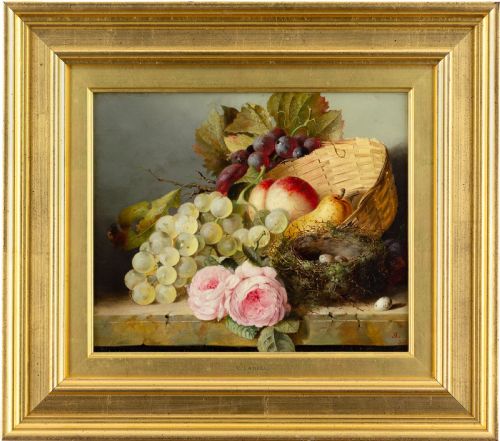
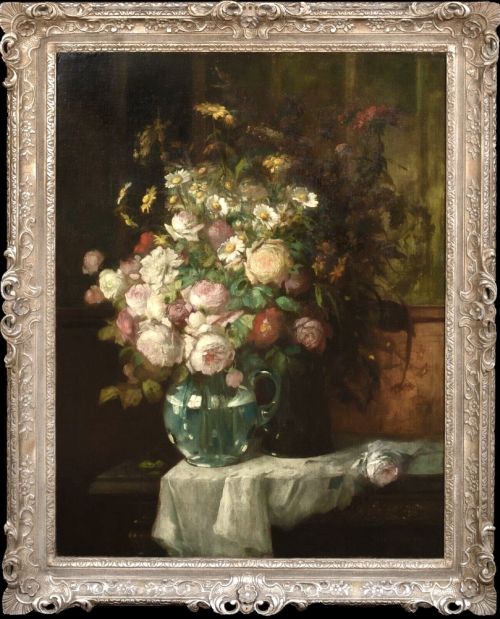
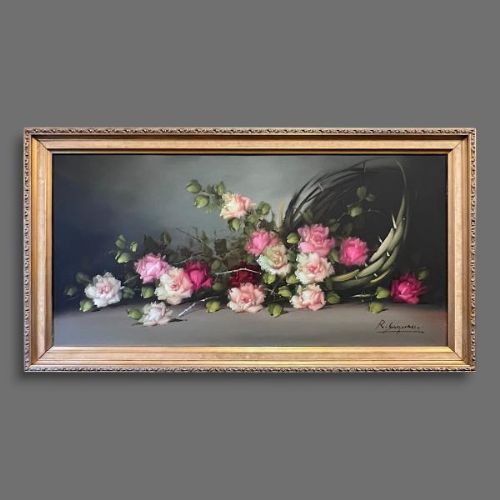
A green and pink painting encompasses nineteenth-century floral still lifes, garden watercolours, and Chinese export ceramics sharing those specific botanical palettes. Buyers seeking this aesthetic encounter works executed across canvas, paper, and enamel during searches for green and pink painting.
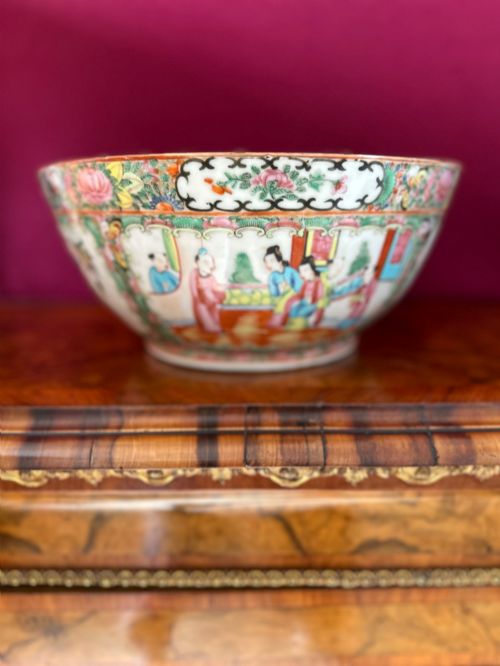
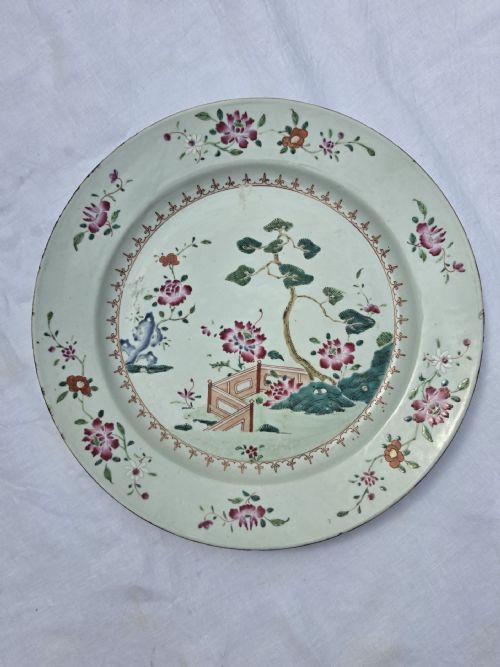
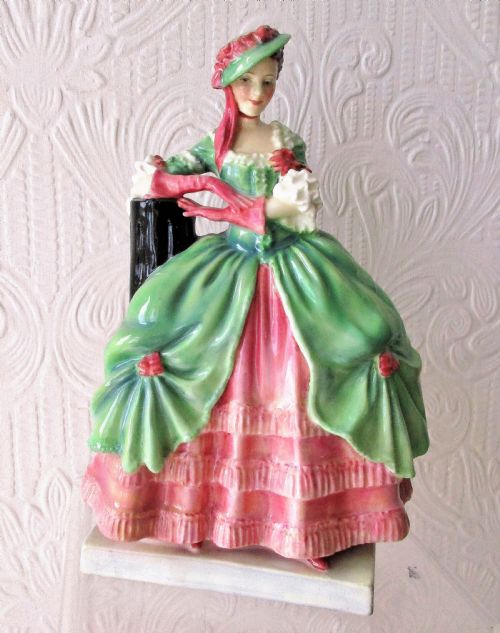
The selection frequently includes Chinese Canton bowls, rose medallion plates, and Victorian flower studies featuring characteristic pink roses against leafy green grounds. These pieces range from eighteenth-century Qianlong charger plates to mid-twentieth-century Impressionist garden scenes.
Materials and technique
Artists and makers applied oil paint to canvas and board, or watercolours to paper, utilising pigments that capture delicate rose pinks and deep foliage greens. Ceramic pieces employ enamels fired directly onto porcelain bodies alongside gold leaf accents.
Hand-painted details define these works, whether through the fine brushstrokes of British Impressionist flower studies or the intricate enamel detailing found on Cantonese porcelain vessels and plates.
Green and Pink Painting Retail Price Guide 2026
Typical asking prices for green and pink painting among the pieces listed under this phrase on Sellingantiques today, from the lower quarter to the upper quarter. They describe what is for sale here now, not the wider market.
Listings feature oil paint, watercolour, and porcelain spanning the eighteenth to twentieth centuries.
Assessing quality and execution
Quality rests in the precision of the brushwork and the vibrancy of the pigment preservation, particularly in how cleanly the pinks and greens maintain their separation without muddiness. Superior examples display balanced composition and confident application, whether on canvas or porcelain.
The finesse of hand-painted details on ceramics and the expressive handling in oil or watercolour distinguish finer studio pieces from standard decorative output.
Konstantin Stoitzner·Edward Ladell·Ernest Higgins Rigg·Lilian Stannard·William Hough·Henry Schouten·Fred Lawson·Owen Bowen·George Graham
The Green and Pink Painting Glossary
- Famille rose
- A major palette of Chinese ceramic glazes introduced in the eighteenth century, distinguished by opaque pink enamel derived from colloidal gold.
- Impressionism
- A nineteenth-century art movement characterised by relatively small, thin, yet visible brush strokes and an emphasis on accurate depiction of light.
- Watercolour
- A painting method in which the paints are made of pigments suspended in a water-soluble vehicle, commonly executed on paper.
- Rose medallion
- A distinct style of Chinese Canton porcelain featuring panels filled with figures, birds, and flowers rendered predominantly in green and pink.
- Canvas
- A heavy woven fabric used as a surface for oil painting, stretched across a wooden frame before application.
Green and Pink Painting: Frequently Asked Questions
What periods do these pieces span?
The items originate across the eighteenth, nineteenth, and twentieth centuries, encompassing periods from the Qianlong reign to mid-century Impressionism.
This broad timeline includes Victorian floral watercolours, Edwardian garden scenes, and earlier export porcelain.
How were these artworks displayed?
Oil paintings and watercolours were traditionally framed and hung in domestic interiors, while porcelain chargers and bowls served both decorative and functional purposes.
Ceramic dishes appeared on tables or pedestals, whereas paintings adorned drawing rooms and studies.
Are these works hand-painted?
The selection consists of original hand-painted watercolours, oils on canvas, and hand-decorated porcelain pieces.
Artisans and artists applied pigments directly by hand, ensuring individual character across every canvas and ceramic surface.
How do I care for antique paintings?
Keep works on paper and canvas away from direct sunlight to prevent fading of delicate pink and green pigments.
Maintain stable humidity levels to protect both the supporting fabric and the integrity of the paint layers.