
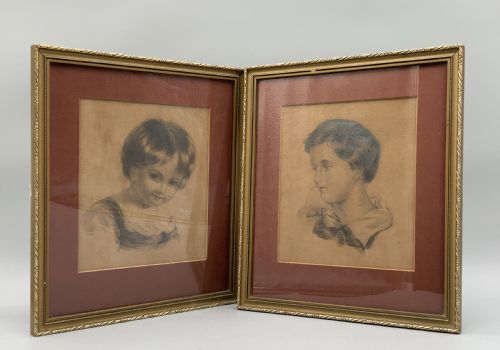
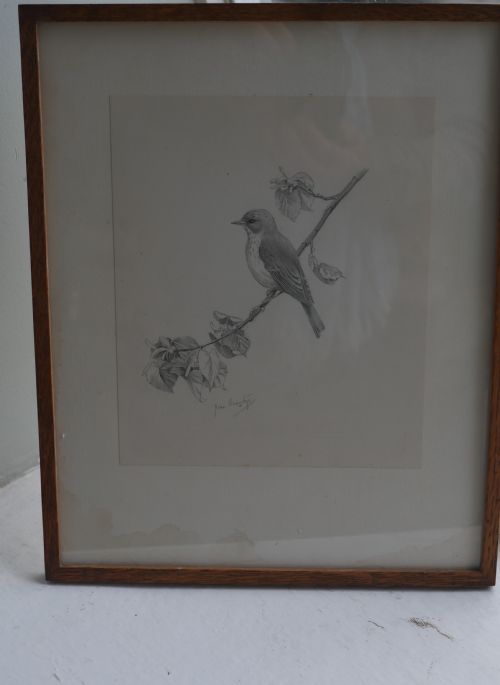


Graphite Pencil Sketch
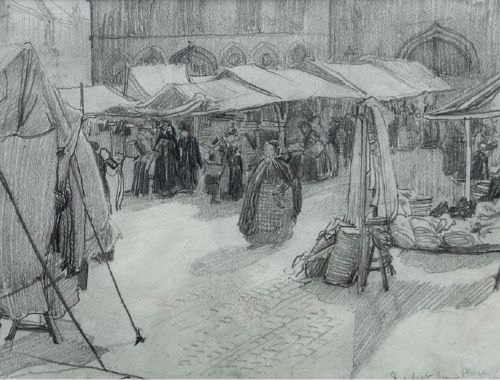
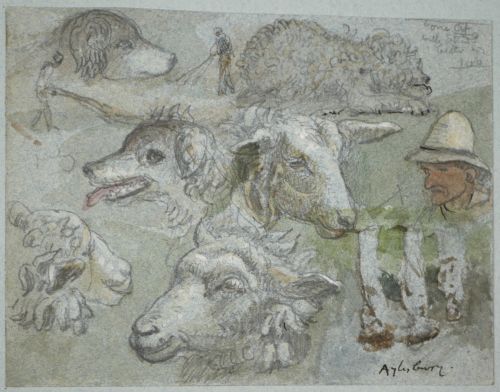
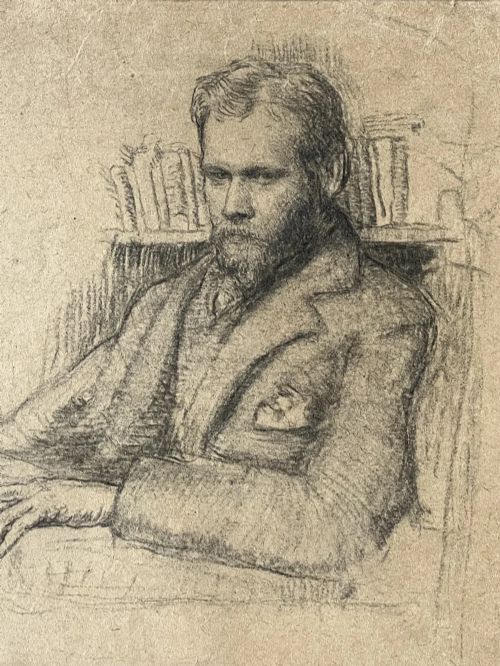
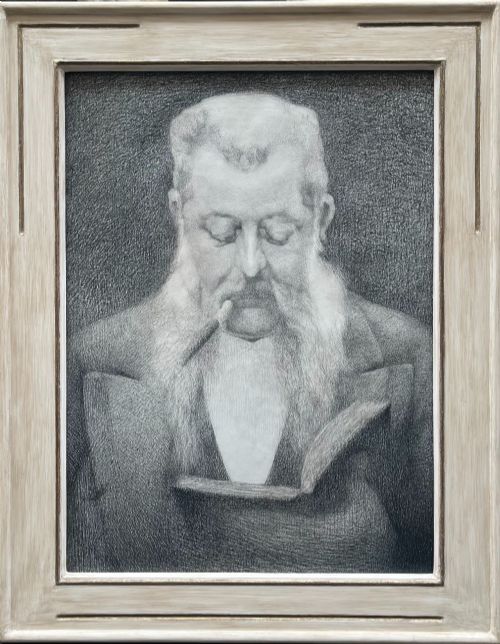
When you search for a graphite pencil sketch, you are looking at original works on paper drawn in graphite, pencil, or plumbago across several centuries.
Graphite Pencil Sketch
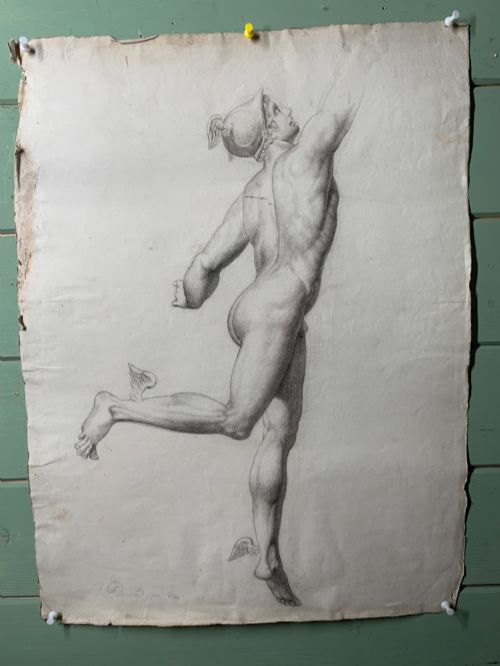
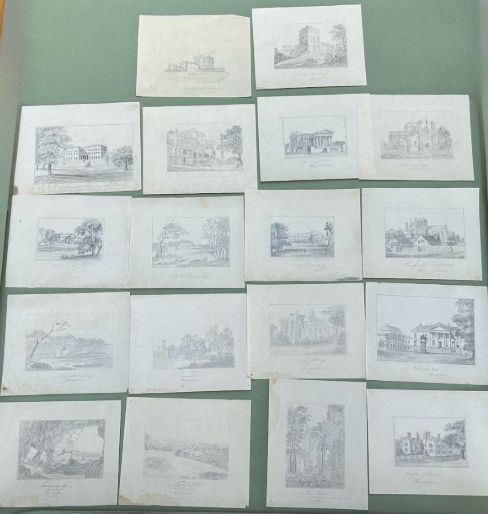
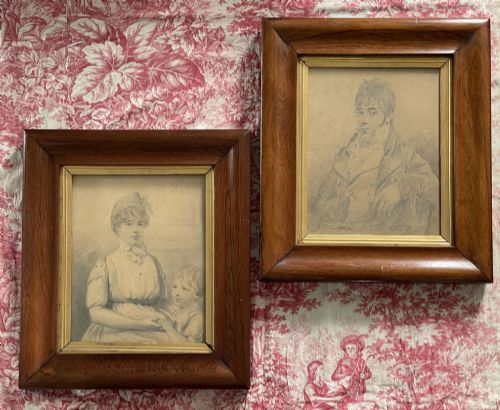
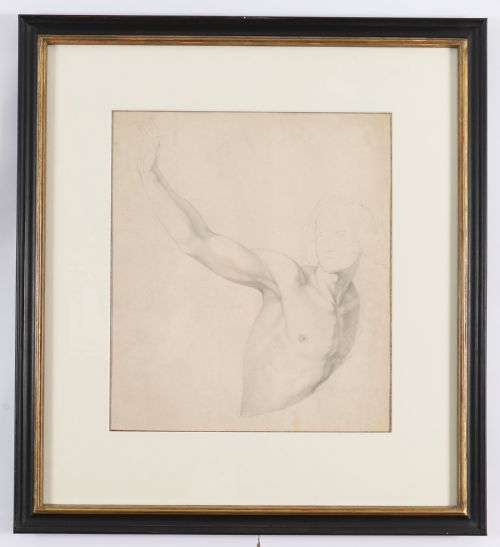
A graphite pencil sketch on this page encompasses original works on paper ranging from eighteenth-century plumbago portraits to twentieth-century academic and surrealist studies. You will find subjects spanning landscapes, architectural studies, figurative works, and detailed animal portraits across these listings.
The selections include works from the Georgian, Victorian, Regency, and mid-century periods, alongside named artists from the nineteenth and twentieth centuries. These pieces function as intimate records of draughtsmanship, capturing fleeting moments or careful academic observation directly from the hand of the artist.
Materials and technique
The primary medium recorded is graphite or pencil on paper, occasionally supported by chalk, watercolour washes, or ink to add tone and depth. These materials were applied directly to various paper stocks, relying on line weight, shading, and smumming to build form and light.
Some works are framed behind glass, sometimes incorporating wood frames, gold leaf, or gilt accents that reflect the framing conventions of their respective periods. The technique relies entirely on the draughtsman's control over graphite hardness and pressure to achieve gradation and texture.
Periods represented span from the 18th century through the 19th century, Regency, Victorian, and into the mid-20th century.
Qualities of distinction
The distinction between standard examples and exceptional pieces rests in the confidence of the line and the precision of the anatomical or architectural observation. A superior drawing displays deliberate economy of stroke and convincing depth without relying on heavy overwriting.
Provenance and attribution also elevate certain works, particularly when a drawing is tied to a documented hand, a specific historical sitter, or an established academic study. Condition of the paper sheet and the preservation of the delicate graphite marks further influence the standing of any individual piece.
Henry Percy Huggill·James Smetham·Augustus John·Sir Thomas Lawrence·Hans Holbein·James Ferguson·Ozias Humphry·Mariette Lydis·Faeq Hassan·Dame Laura Knight
The Graphite Pencil Sketch Glossary
- Plumbago
- An early term for graphite, commonly used to describe highly detailed graphite portraits executed in the seventeenth and eighteenth centuries.
- Grisaille
- A painting or drawing executed entirely in shades of grey or neutral greyish-monochrome to resemble sculpture or provide a monochromatic study.
- Academic Realism
- A style resulting from the standards of European art academies, prioritising accurate anatomy, precise draughtsmanship, and classical proportions.
- Framed Artwork
- A finished piece presented within a protective border and glass casing designed for wall hanging and preservation.
Graphite Pencil Sketch: Frequently Asked Questions
What is a graphite pencil sketch?
A graphite pencil sketch is an original artwork drawn by hand using pencil, graphite, or plumbago on a paper support.
These works range from rapid compositional studies and landscapes to highly finished portraits created across the eighteenth, nineteenth, and twentieth centuries.
How do I care for antique drawings?
Antique drawings on paper require protection from direct sunlight and high humidity to prevent fading and paper degradation.
Keep them behind glass with acid-free mounts and hang them away from direct heat sources to preserve the fragile graphite medium.
How do I date a pencil sketch?
Dating relies on stylistic markers, costume details of sitters, watermarks in the paper stock, and framing materials.
Signatures, inscriptions, and artist records also help establish the precise period of execution.
Are these sketches original?
The listings on this page consist of original hand-drawn works rather than modern mass-produced prints or mechanical reproductions.
Each piece contains the unique pressure marks, erasures, and individual hand of the artist who drew it.