




Grandfather Clock Movement
A grandfather clock movement is the ticking heart of a longcase timepiece, offering a fascinating glimpse into centuries of mechanical ingenuity.
Grandfather Clock Movement
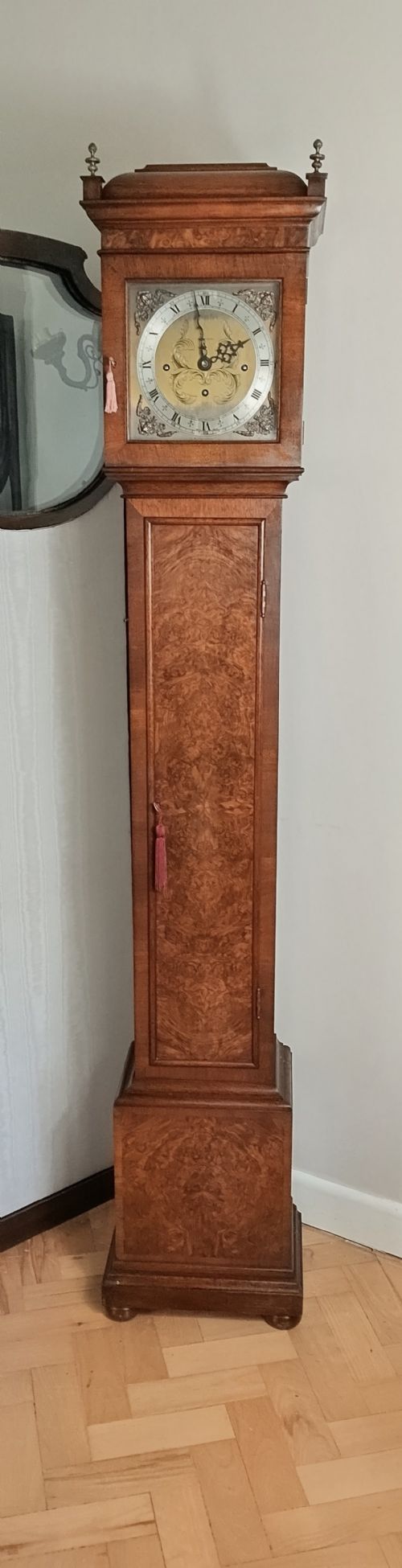
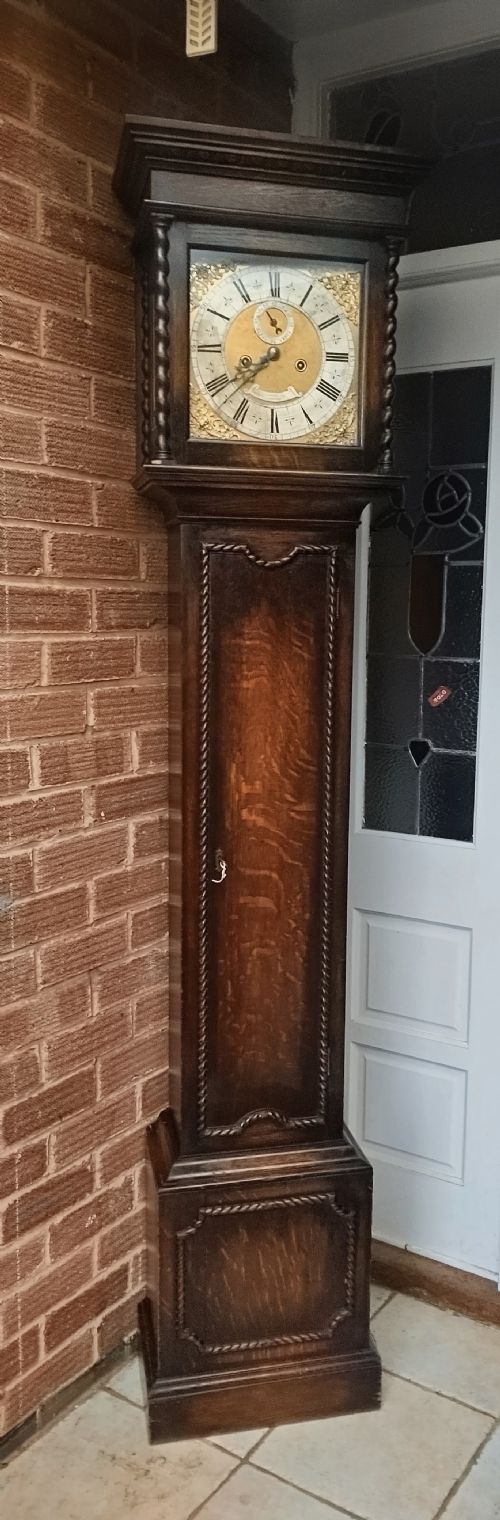
A grandfather clock movement drives the timekeeping, striking, and calendar functions housed within tall wooden cases. When you search for a grandfather clock movement, you encounter sophisticated gear trains, dials, and pendulum assemblies spanning the eighteenth, nineteenth, and twentieth centuries. These mechanisms range from simple thirty-hour irons and brasses to complex eight-day moon phase and tubular bell variations.
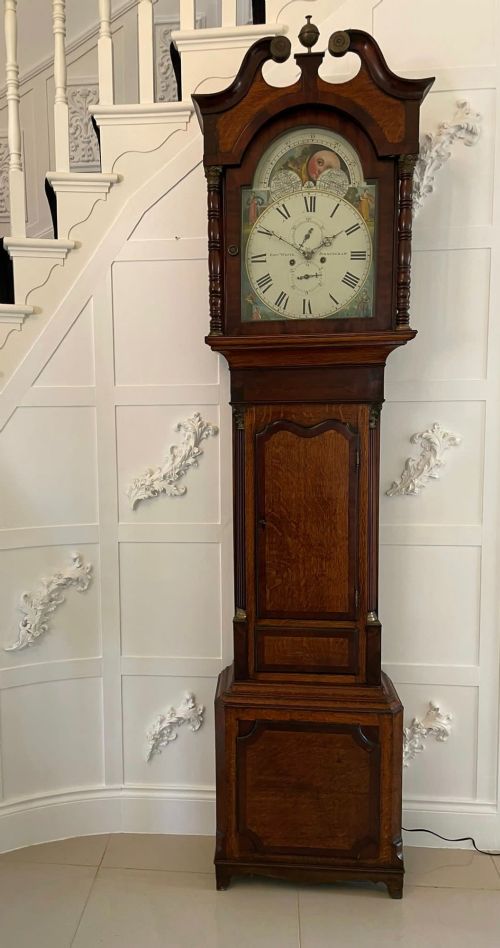
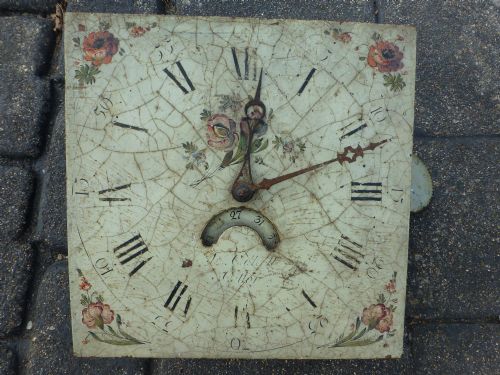
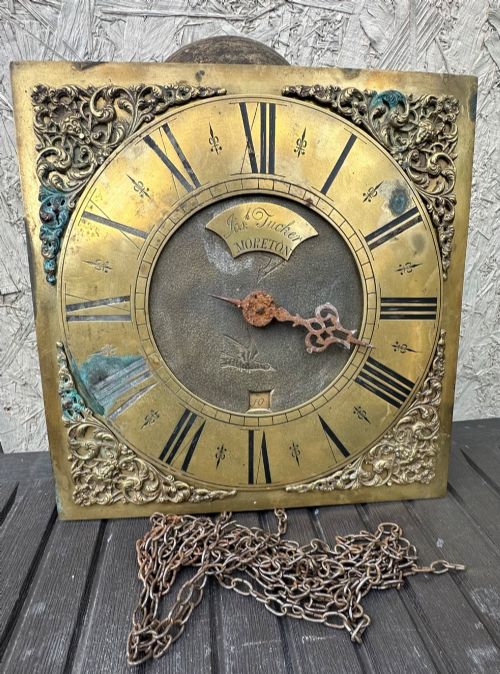
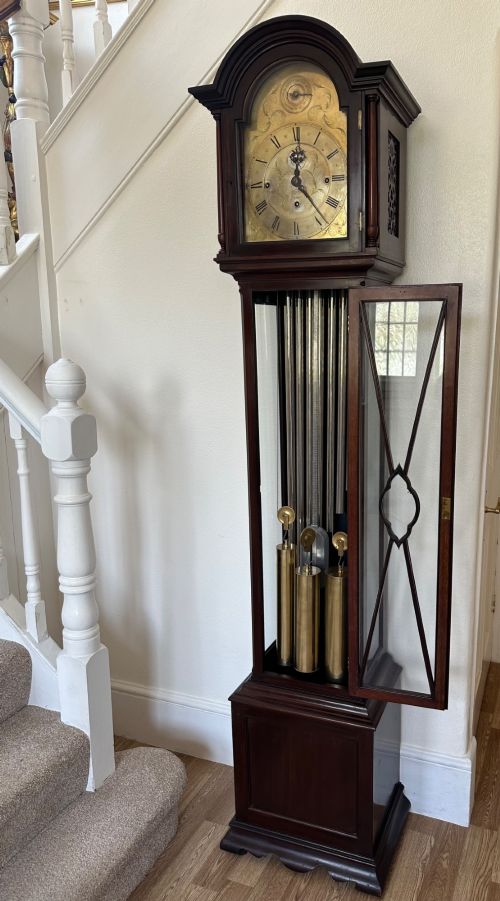
The pieces appearing on this page include dials, face plates, and complete working mechanisms removed from or housed within longcase and grandmother clocks. Styles stretch across Georgian, Victorian, Edwardian, and Jacobean Revival aesthetics, reflecting the changing tastes of British horology. You will find examples featuring painted dials, brass chapters, and specialised lunar or tide indicators.
Makers and regional centres represented here include provincial workshops and London makers alike, utilising local woods such as oak, mahogany, and burr walnut for associated parts and dials. Whether you seek an early eighteenth-century count wheel movement or a later chiming mechanism, these mechanisms showcase the enduring mechanical skill of past clockmakers.
Materials and construction methods
Clockmakers constructed these movements primarily from brass and steel, shaping plates, wheels, and escapements with remarkable precision. Iron also appears in specific structural components and heavier weight-driven setups.
Dials and faces incorporate painted finishes, applied brass numerals, and protective glass panels. Associated cases and dial surrounds utilise solid and veneered timbers including oak, mahogany, burr walnut, and maple.
Grandfather Clock Movement Retail Price Guide 2026
Typical asking prices for grandfather clock movement among the pieces listed under this phrase on Sellingantiques today, from the lower quarter to the upper quarter. They describe what is for sale here now, not the wider market.
Some movements whisper secrets through tubular bells, playing tunes that remind you time has a cheerful soundtrack.
Factors of mechanical and artistic merit
The distinction between standard movements and finer examples lies in the complexity of the gear train and the presence of specialised complications like moon phases, musical chimes, or multiple pillars. Early five-pillar Georgian movements and intricate tubular bell systems represent a higher tier of horological ambition.
Artistic execution on the dial face further separates pieces, with finely painted Welsh or provincial scenes and engraved brass chapter rings showing superior craftsmanship. The crispness of wheel cutting and the retention of original components dictate the overall integrity of the mechanism.
Edward White Birmingham·James Harvey of Abergavenny
The Grandfather Clock Movement Glossary
- Count wheel
- An external locking plate mechanism used on older movements to control the striking train. It dictates the number of hours the clock strikes based on the slotted notches around its perimeter.
- Longcase clock
- The formal term for a tall pendulum clock standing directly on the floor, commonly referred to as a grandfather clock. These housings protect the suspended weights and pendulum while displaying the dial.
- Grandmother clock
- A smaller, more slender version of the traditional longcase clock, popular during the twentieth century. These scaled-down pieces accommodate lower ceiling heights while retaining traditional movement styles.
Grandfather Clock Movement: Frequently Asked Questions
What is a grandfather clock movement?
A grandfather clock movement is the mechanical internal assembly that drives the hands, strikes the hours, and sometimes operates musical chimes or moon phases in a tall clock case.
These mechanisms rely on weights, springs, and pendulums to measure time accurately, combining brass gears, iron plates, and detailed dial faces.
How do eight day movements work?
An eight-day movement requires winding once every week, utilising suspended heavy iron or lead weights that slowly descend as the gear train unwinds.
This setup allows for greater mechanical complexity, often incorporating striking mechanisms, moon rollers, or chime trains alongside the standard timekeeping hands.
Can I display a movement without a case?
Some collectors choose to display clock movements and dials on specialised brackets or tables to showcase the brass wheels, escapements, and painted faces directly.
Proper placement protects the delicate steel pivots and gear teeth from dust and accidental knocks while allowing clear observation of the mechanics.