



Grand Tour Portrait Bust
These grand tour portrait bust pieces capture classical figures and historical rulers in marble, bronze and plaster, bringing scholarly elegance to any room.
Grand Tour Portrait Bust
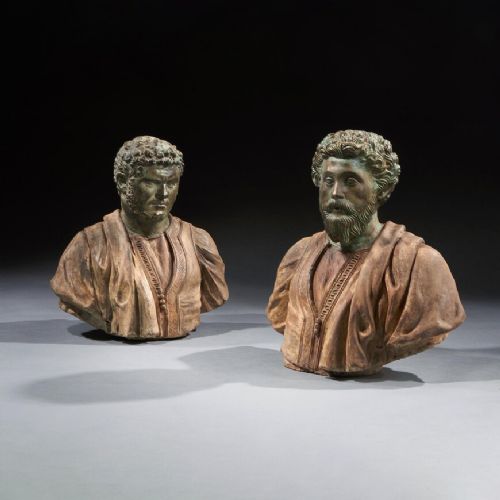
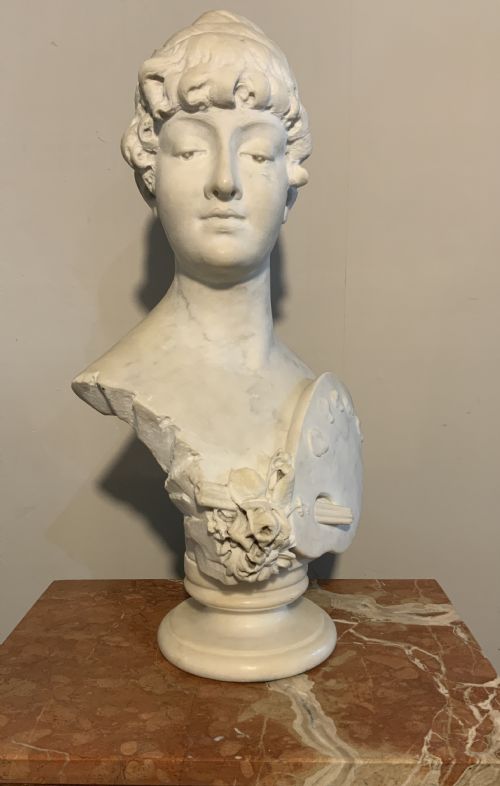
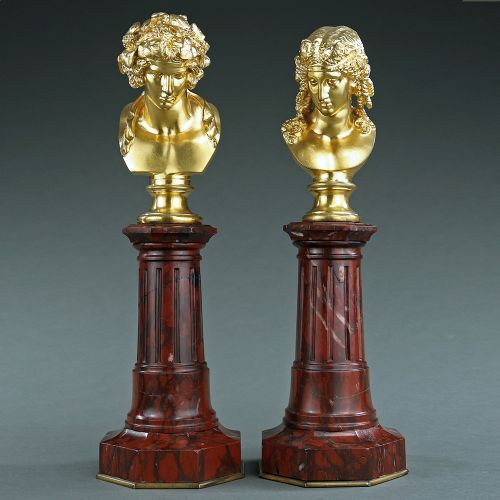
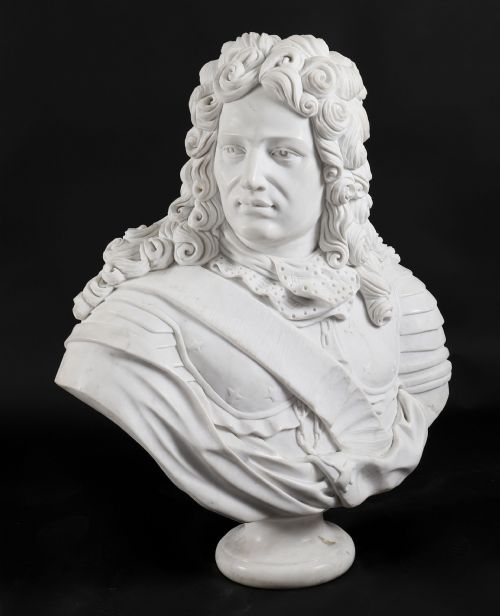
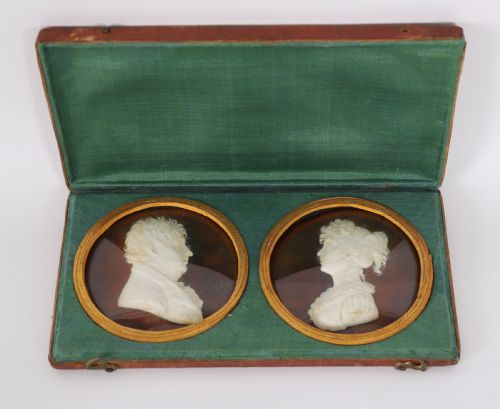
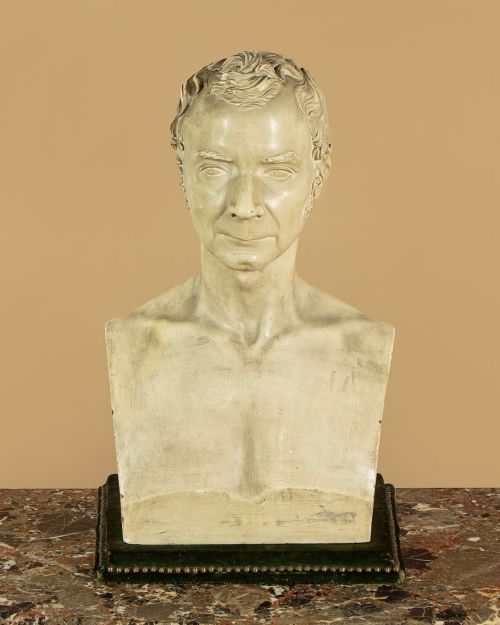
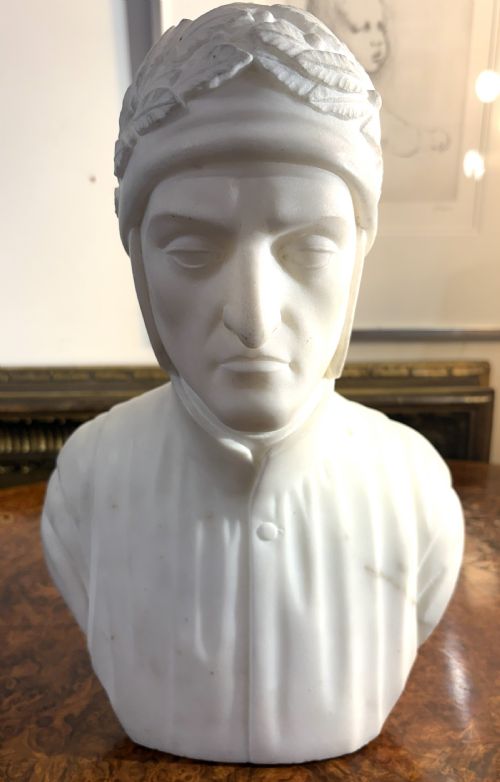
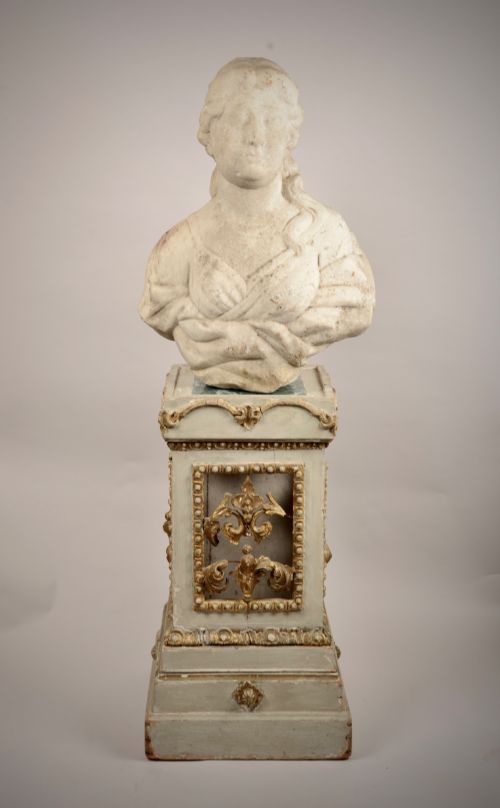
A grand tour portrait bust represents classical deities, philosophers, emperors, or noble figures collected by travellers exploring Italy and Europe during the eighteenth and nineteenth centuries. These works draw heavily upon antique sculpture, translating ancient marble originals into portable souvenirs for home display. The selection here spans compact library studies of Dante and Homer to substantial renderings of Roman emperors.
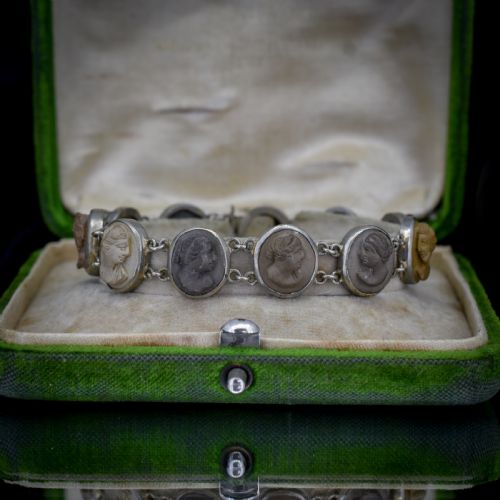
Most examples appearing in this collection date from the nineteenth century, reflecting the peak of Victorian travel and classical revival taste. Forms range from freestanding bronze and marble busts on pedestals to framed profile reliefs, lava cameo bracelets, and terracotta studies. Subjects frequently include mythological deities alongside historical rulers such as Augustus, Marcus Aurelius, and Julius Caesar.
Materials and methods
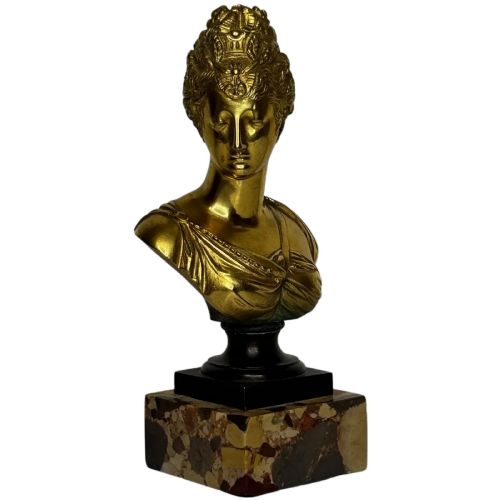
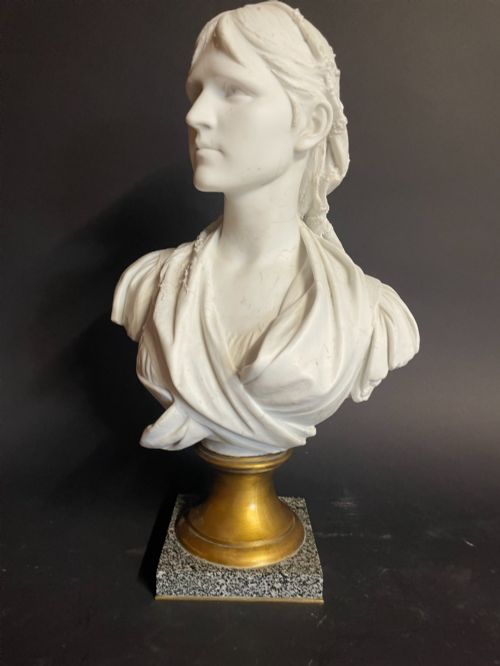
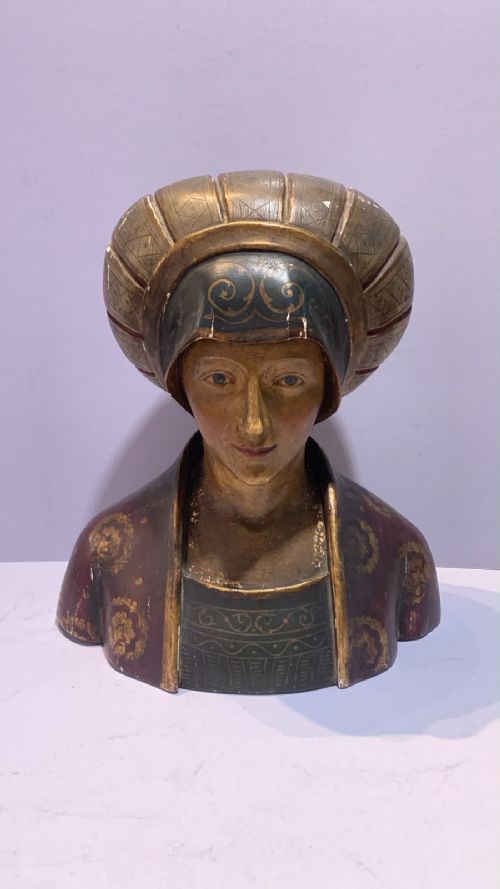
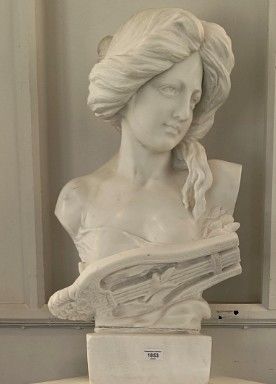
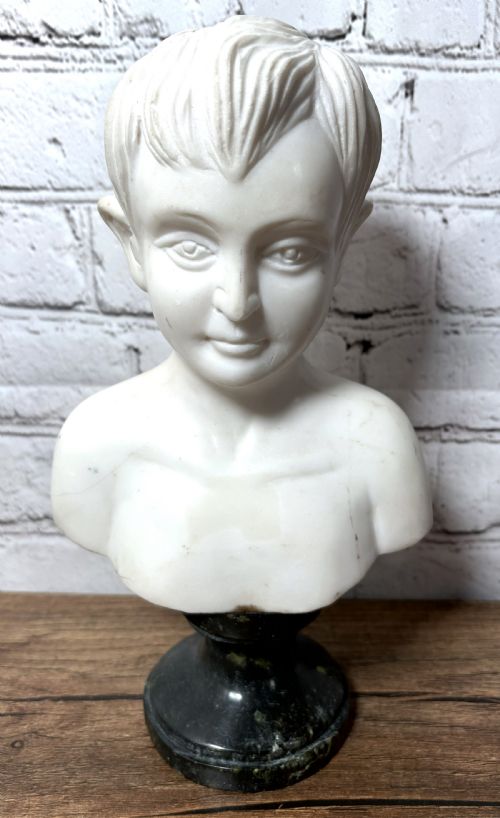
Carved marble remains a principal material, utilising white Carrara stone alongside mixed marbles and black marble plinths to emulate classical statuary. Sculptors also employed cast bronze and gilt bronze, often applying patination to achieve an antique appearance. Terracotta and plaster served as accessible mediums for detailed library busts and wall plaques.
Workshop production combined traditional hand-carving for stone surfaces with precision casting for metal and plaster editions. Details such as armour, drapery, and facial expressions were finished by hand, frequently following specific classical prototypes found in Italian museums.
Grand Tour Portrait Bust Retail Price Guide 2026
Typical asking prices for grand tour portrait bust among the pieces listed under this phrase on Sellingantiques today, from the lower quarter to the upper quarter. They describe what is for sale here now, not the wider market.
Even ancient Roman emperors occasionally need dusting behind the ears after centuries of quiet contemplation on a library shelf.
Assessing quality and execution
The choice of material heavily influences the character of the piece, with solid carved marble and finely patinated bronze sitting at the upper end of craftsmanship. Signed works or pieces bearing direct fidelity to recognised ancient sculptures command greater attention from collectors.
Mathurin Moreau·Bulio
The Grand Tour Portrait Bust Glossary
- Grand Tour
- A cultural journey undertaken by European and British elites through France and Italy during the eighteenth and nineteenth centuries. Participants collected art, antiquities, and souvenir sculptures to display at home.
- Neoclassical
- An artistic movement from the mid-eighteenth to the nineteenth century inspired by the classical art and culture of ancient Greece and Rome. It emphasises austere dignity, balanced proportions, and heroic subjects.
- Patination
- The surface finish or coloration developed on bronze or metal through age or chemical treatment. Artists intentionally apply patinas to emulate the appearance of buried ancient bronzes.
- Terracotta
- A porous, fired clay used extensively for sculptural models and finished portrait busts. Its warm earthen tone makes it distinct from white marble or dark bronze.
Grand Tour Portrait Bust: Frequently Asked Questions
What is a grand tour portrait bust?
A grand tour portrait bust is a sculptural depiction of a classical figure, philosopher, or historical ruler acquired as a souvenir during nineteenth-century European travels.
These pieces served as scholarly ornaments in libraries and studies, reflecting an owner's classical education and taste.
How were these busts displayed?
Victorian collectors typically placed marble and bronze busts on library shelves, mantelpieces, or dedicated wooden and marble plinths.
Smaller reliefs, plaques, and cameos were often framed for wall hanging or worn as personal jewellery.
Are these pieces original antiques?
The listings primarily comprise nineteenth-century interpretations and souvenirs created after ancient Roman and Greek prototypes.
Materials range from carved marble and cast bronze to nineteenth-century plaster and terracotta workshop studies.