


Grand Tour Ornament
A grand tour ornament brings the carved ruins and classical statuary of European travels directly onto a study desk or mantelpiece.
Grand Tour Ornament
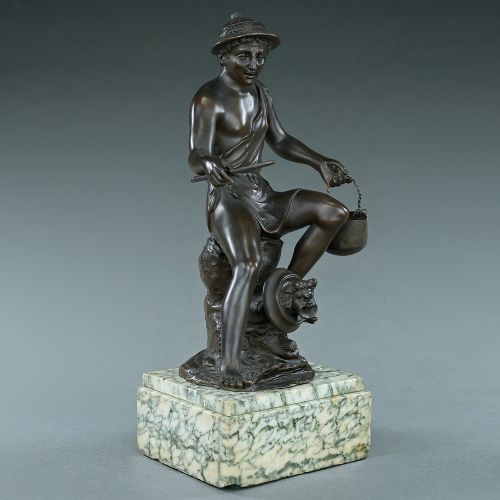
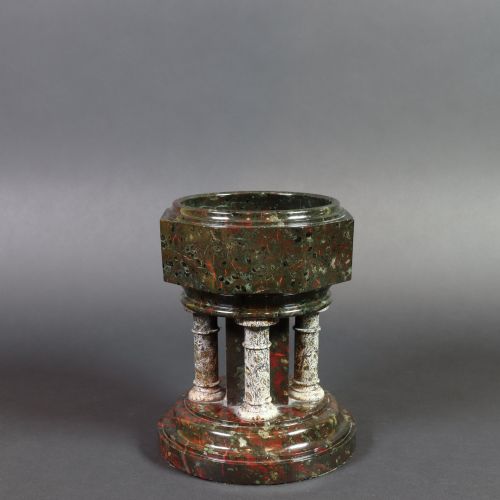
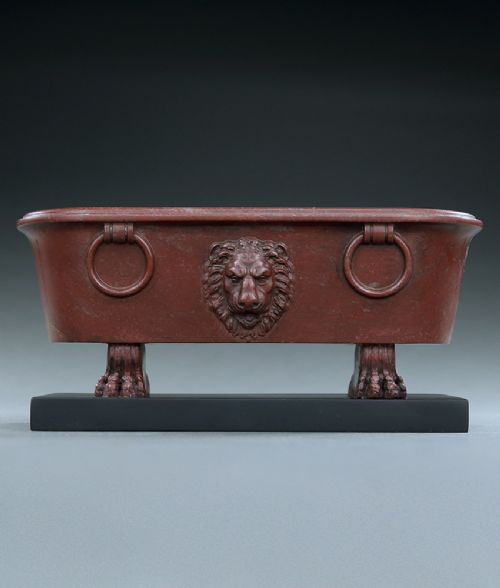
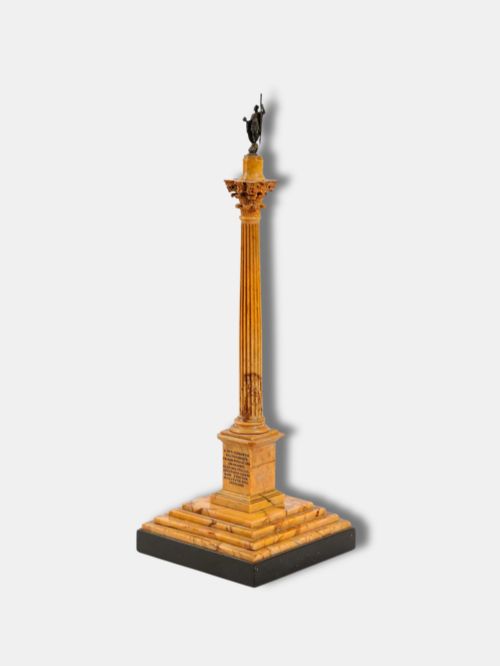
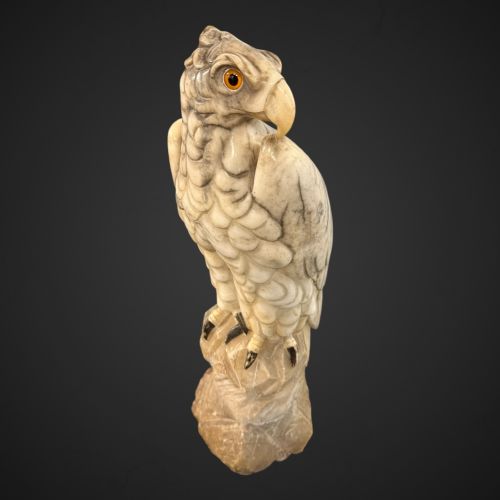
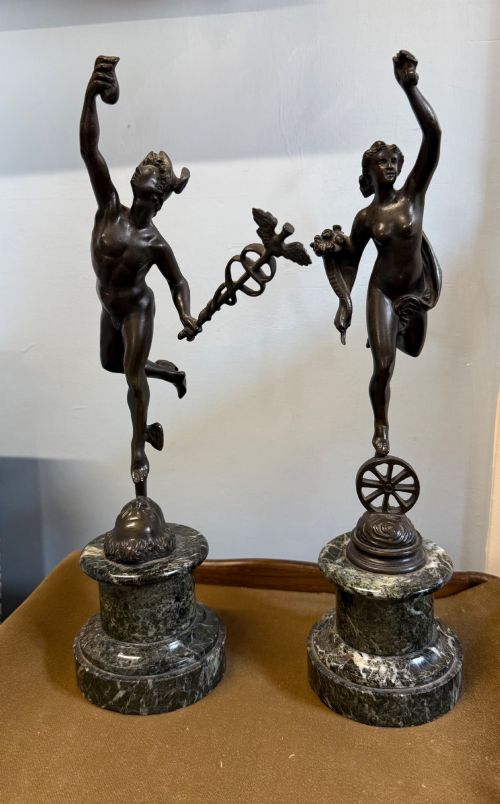
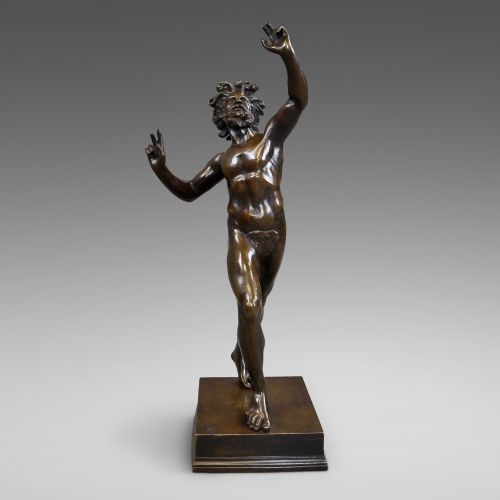
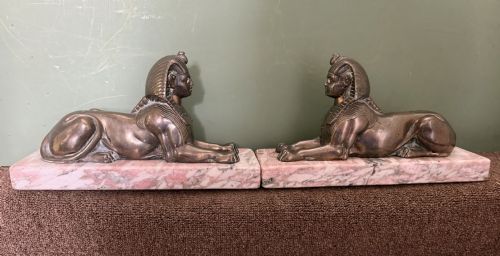
A grand tour ornament takes the form of miniature bronzes, carved marble obelisks, and architectural models collected by travellers across Europe during the nineteenth century. These objects replicate ancient sculptures, famous buildings, and mythical figures seen during educational journeys abroad. Buyers find works ranging from small bronze figures to carved stone animals and architectural tazzas.
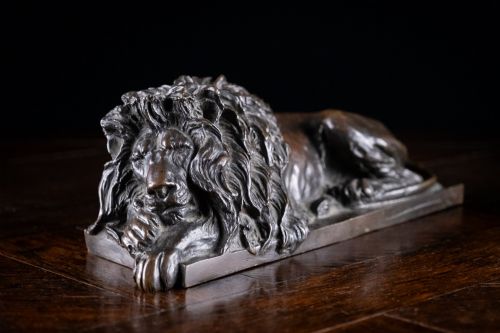
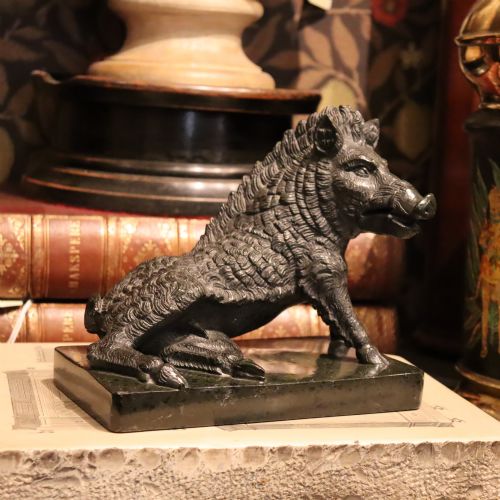
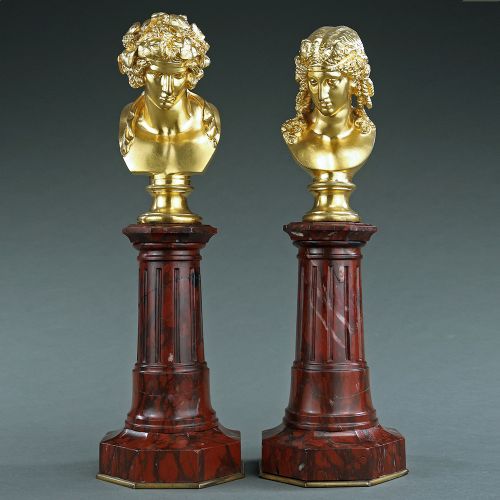
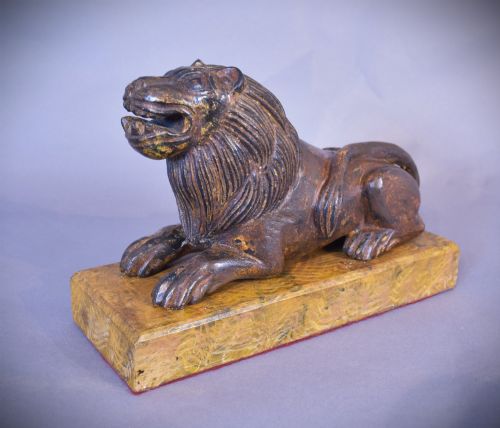
The selections here heavily feature nineteenth-century items alongside early twentieth-century examples, spanning periods like the Victorian era and the seventeenth century. Many pieces reproduce celebrated sculptures such as the Canova lions, the Florentine boar, or classical deities like Venus and Dionysus. They serve as tactile reminders of classical antiquity and Renaissance art translated into cabinet-sized displays.
How they were made
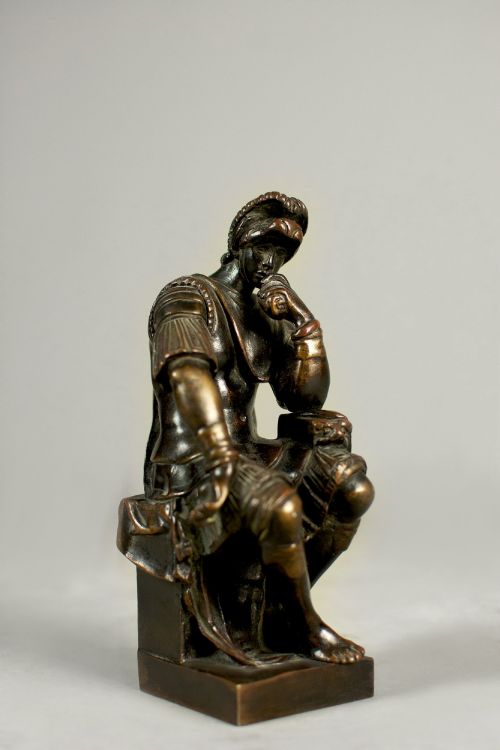
Foundries and workshops utilised traditional casting methods to produce patinated and gilt bronze figures, along with cast iron and spelter alternatives. Artisans applied dark green or brown patination to accentuate muscular definition and facial expressions on subjects such as dancing fauns and Roman soldiers. Gilt bronze highlights often accented decorative items and figural groups.
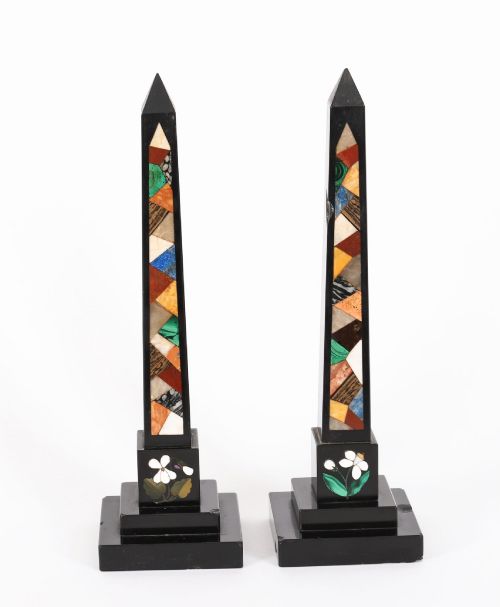
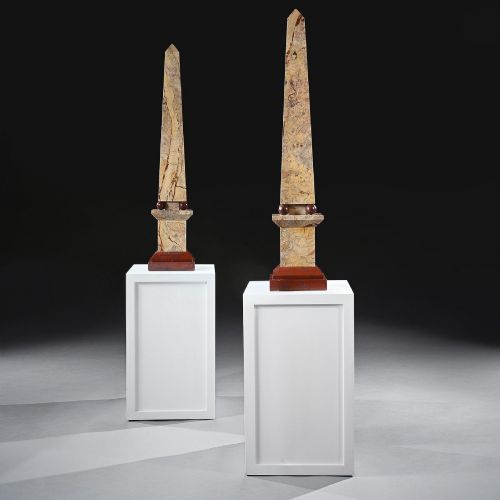
Carvers shaped various marbles, including Siena, Carrara, serpentine, Portasanta, and Rosso Antico, to create architectural models, sarcophagus caskets, and animal plinths. Specimen marble and pietra dura techniques introduced colourful geological variety to obelisks and decorative objects. Plaster and stucco also appeared in sculptural reproductions modelled after classical antiquities.
Grand Tour Ornament Retail Price Guide 2026
Typical asking prices for grand tour ornament among the pieces listed under this phrase on Sellingantiques today, from the lower quarter to the upper quarter. They describe what is for sale here now, not the wider market.
Listings feature nineteenth-century bronze and marble works alongside seventeenth-century sculptures and early twentieth-century decorative obelisks.
What varies in quality
Quality rests upon the crispness of the bronze chasing and the fidelity of the carving relative to the ancient prototype. Finer bronzes display sharp musculature, delicate fingers, and carefully smoothed patination without obscuring the underlying metalwork. Marble carvings show precise geometric lines on obelisks and nuanced anatomical contours on sculptural figures.
The selection of stone dictates the visual depth of architectural models and bases, with richly figured Siena and Portasanta marbles elevating the finished object. Heavier cast elements and integrated multi-part assemblies indicate superior workshop production standards. Lesser examples reveal softer details in the casting and simpler stone selection.
Émile Louis Picault·Charles Crozatier·Claude Michel Clodian·Antonio Canova
The Grand Tour Ornament Glossary
- Patinated bronze
- Bronze treated with chemical solutions to produce a darkened surface finish. This technique highlights the sculpted contours of figures and animals.
- Siena marble
- A yellow-brown Italian marble featuring dark grey or purple veining. Workshops utilised this stone extensively for architectural bases and decorative objects.
- Tazza
- A shallow ornamental cup or vase mounted on a stem and foot. These items frequently appeared in carved marble or cast bronze during the nineteenth century.
- Pietra dura
- An artistic technique using cut and fitted polished coloured stones to create geometric or pictorial designs. It appears on decorative tabletops and small artefacts.
- Obelisk
- A tall, four-sided, narrow tapering monument which terminates in a pyramid-like shape at the top. Makers rendered these in various coloured marbles.
Grand Tour Ornament: Frequently Asked Questions
How were these ornaments displayed?
Travellers typically arranged these decorative objects on library desks, mantelpieces, and dedicated display tables within Victorian studies and drawing rooms. Architectural models and obelisks served as symmetrical focal points.
Bronze figures of animals and classical heroes often sat upon matching marble plinths to elevate them for closer examination and protection.
Which materials are most common?
Bronze stands out as the primary metal used for sculptural figures, often finished with a dark patination or gilt highlights. Cast iron and spelter also appear in alternative figural castings.
Various marbles dominate the stonework, including veined Carrara, yellow Siena, green serpentine, and reddish Portasanta, occasionally complemented by Blue John and malachite.
How can I tell the period?
Dating relies upon the casting technology, surface patination, and the specific geological stones used in the bases and columns. Nineteenth-century pieces frequently exhibit refined chasing on patinated bronze and specific regional Italian marbles.
Earlier seventeenth-century works show different patination traits and tool marks from manual stone carving, while twentieth-century revivals adopt earlier Neoclassical proportions.