



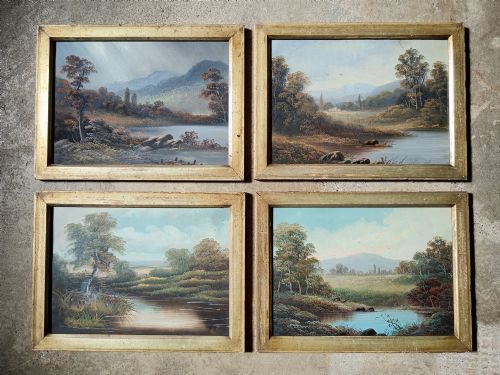


Gouache Landscape Artwork
These gouache landscape artwork pieces capture open vistas and atmospheric light with opaque pigment on paper.
Gouache Landscape Artwork
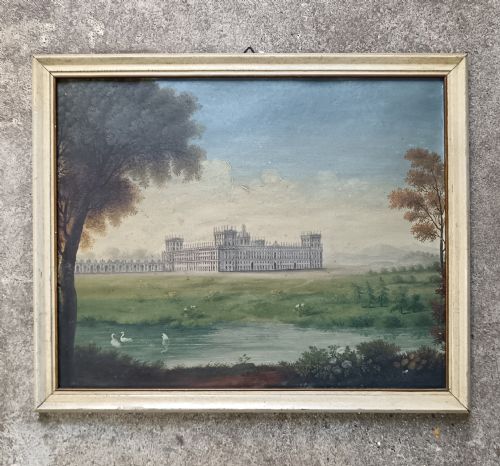
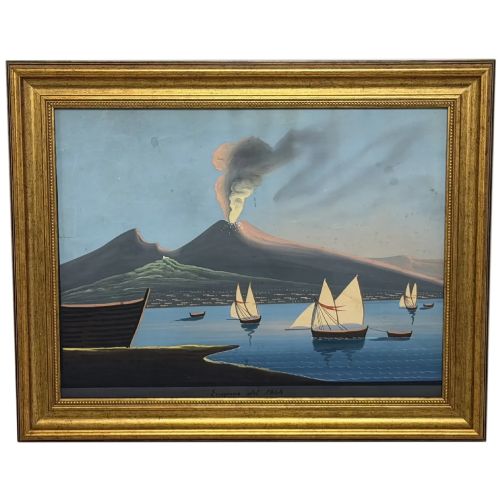
A gouache landscape artwork brings together water-based opaque pigment and paper to record scenery ranging from quiet river ruins to dramatic volcanic eruptions. When you search for gouache landscape artwork, you encounter compositions executed across several centuries, capturing topographical views and romantic vistas alike.
The nineteenth century provides a strong core of these offerings, particularly through Grand Tour souvenirs depicting Neapolitan views and Vesuvius. Alongside these nineteenth-century pieces, listings stretch from seventeenth-century Dutch styles to mid-twentieth-century abstracted Mediterranean scenes.
Framed paintings and wall art dominate the format, frequently preserved behind glass within wooden or gilt frames. Buyers find single sheets, pairs, and grouped sets that record travels across Italy, Britain, France, and the Middle East.
Materials and technique
Artists build these works primarily with gouache and watercolour on paper supports, sometimes combining ink, pastel, or oil to achieve varied textures. The opaque nature of gouache allows for bright highlights and dense colour blocking that differs from translucent watercolour washes.
Protective framing utilising wood, gilt wood, and glass secures the fragile paper base. Many surviving examples retain period frames that complement the specific palette and mood of the painted view.
Gouache Landscape Artwork Retail Price Guide 2026
Typical asking prices for gouache landscape artwork among the pieces listed under this phrase on Sellingantiques today, from the lower quarter to the upper quarter. They describe what is for sale here now, not the wider market.
Listings span from the seventeenth century to the mid-twentieth century, utilising paper, gouache, watercolour, ink, and gilt wood.
Factors of quality
Quality rests upon the handling of light, atmosphere, and spatial depth within the composition. Masterful control of opaque pigment allows artists to render distant mountains, reflective lakes, and architectural detail with convincing clarity.
The preservation of the paper surface and the vibrancy of the pigments dictate desirability. Strong provenance, named makers, and original framing elevate specific works above anonymous decorative examples.
Karel Dujardin·Joseph Knight·Gaston Cornil·John Inigo Richards·AJ Thornton·Milton Drinkwater·Reginald Mills
The Gouache Landscape Artwork Glossary
- Gouache
- An opaque water-based paint composed of ground pigments, water, and a binding agent such as gum arabic. This medium dries to a matte finish that covers underlying layers.
- Grand Tour
- A traditional trip through Europe undertaken by upper-class young men during the eighteenth and nineteenth centuries. Souvenirs from these journeys often included local landscape views.
- Neapolitan School
- A group of artists working in Naples who specialised in recording local coastal scenery, dramatic eruptions, and harbour views. Their work frequently served the tourist trade.
- Gilt Wood
- Wood that has been coated with a thin layer of gold leaf or metallic gilt finish. Such framing materials are common on period landscape works.
Gouache Landscape Artwork: Frequently Asked Questions
What is gouache?
Gouache is an opaque water-soluble paint that dries to a matte, velvety surface.
Unlike transparent watercolour, it contains added white pigment which allows artists to paint light tones over dark areas.
How should I frame these works?
Works on paper require framing behind glass with acid-free mounts to prevent moisture and light damage.
Keeping the paper from touching the glass directly preserves the pigment layer over time.
Are these works original?
Listings feature hand-painted original works on paper rather than modern mass-produced prints.
Brushstrokes and pigment density reveal the direct hand of the artist across each sheet.
How do I date a piece?
Stylistic clues, paper characteristics, and framing methods help establish the approximate period of creation.
Signatures, artist biographies, and historical subject matter also narrow down the date range.