







Gothic Wood Box
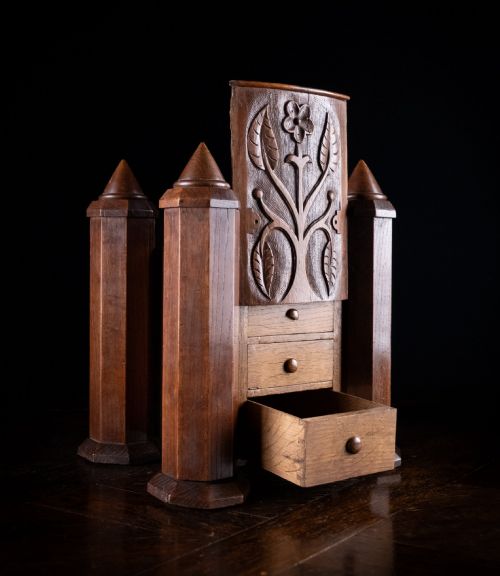
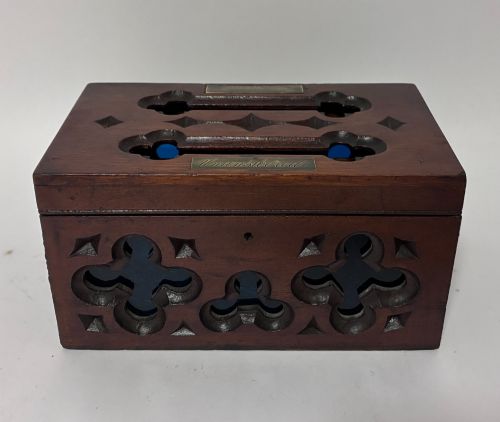
A gothic wood box brings architectural lineage straight to the desktop, offering solid timber housing for letters, trinkets or papers.
Gothic Wood Box
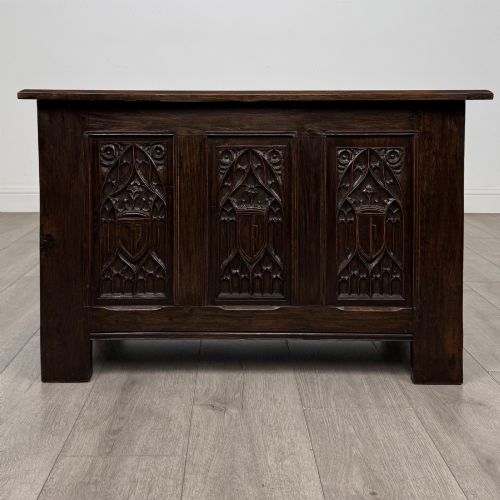
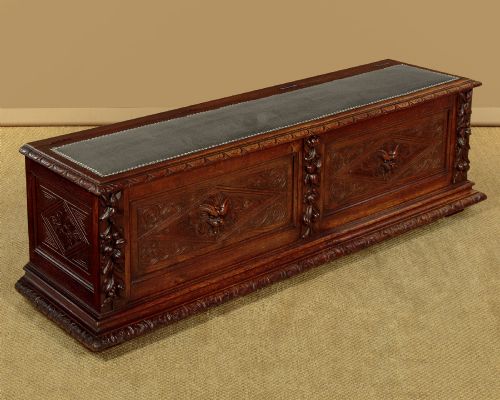
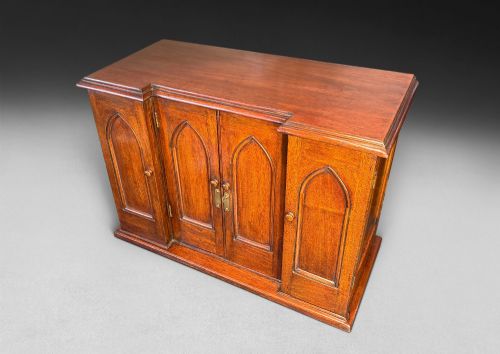
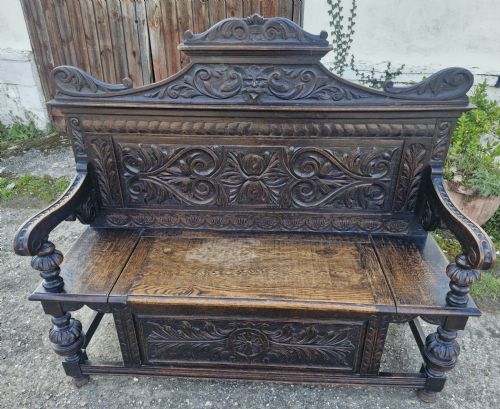
A gothic wood box encompasses a variety of lidded containers, from stationery boxes and correspondence caskets to table-top collectors cabinets and larger coffers. The selections span compact desk accessories and writing slopes alongside substantial oak blanket boxes and chests.
Most examples found here date from the nineteenth century, including Victorian Gothic Revival interpretations, though earlier seventeenth century pieces such as Spanish and Italian cassone chests also appear.
These containers serve practical purposes for storage while displaying architectural motifs inspired by medieval structures, ecclesiastical joinery and revivalist design.
How they were made
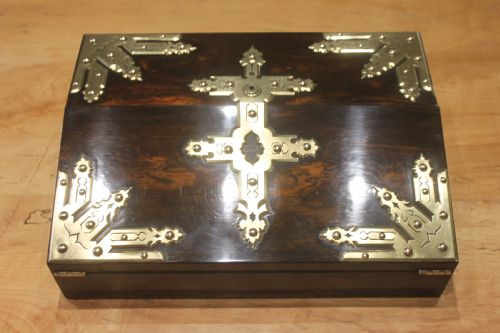
Constructed primarily from sturdy timbers like oak and exotic coromandel wood, these pieces utilise traditional joinery suited to heavy use. Structural integrity is often reinforced with brass mounts, iron straps, wrought iron hinges and decorative ormolu hardware.
Surface decoration relies on deep carving, hand painting, gilt detailing and contrasting veneers such as amboyna, sometimes complemented by mother of pearl inlays. The resulting housings combine heavy structural timber with precise metalwork and fitted internal compartments.
Gothic Wood Box Retail Price Guide 2026
Typical asking prices for gothic wood box among the pieces listed under this phrase on Sellingantiques today, from the lower quarter to the upper quarter. They describe what is for sale here now, not the wider market.
Several boxes double as miniature cathedrals, bringing tiny pointed arches and buttresses straight to the Victorian writing desk.
What varies in quality
Quality rests upon the selection of timber and the ambition of the carved ornament, separating simple utility vessels from elaborate architectural showpieces. Dense exotic woods like coromandel paired with meticulous brass binding or figural carving indicate superior workshop production.
The refinement of internal fittings, such as velvet-lined writing slopes or compartmentalised stationery sections, dictates the grade of the piece. Crispness in architectural details like pointed arches, tracery and linenfold panels separates competent vernacular carpentry from master joinery.
Briggs
The Gothic Wood Box Glossary
- Gothic Revival
- An architectural and decorative style popular during the nineteenth century that revived medieval forms, pointed arches and heavy ecclesiastical motifs. It influenced furniture design across domestic desks, cabinets and large storage coffers.
- Cassone
- A traditional Italian chest or coffer, often highly decorated with carving or gilding, used historically for storing valuables and household linens. Early examples reflect regional Renaissance and gothic aesthetics.
- Coromandel
- A dense, heavily figured exotic timber with dark brown and contrasting grain patterns, frequently utilised for nineteenth century luxury boxes and writing slopes. It provides a striking backdrop for brass mounts.
- Stationery Box
- A desk accessory designed to hold paper, envelopes and correspondence, often featuring a domed or sloping lid with internal dividers. These were standard fixtures on Victorian writing tables.
- Teapoy
- A small lidded chest or table compartment originally intended for storing loose tea leaves. They often feature internal caddies and lockable lids.
Gothic Wood Box: Frequently Asked Questions
What is a gothic wood box used for?
These boxes function as secure desktop storage for letters, writing materials, documents, jewellery or tea.
Historically, smaller caskets kept personal valuables private, whilst larger coffers and blanket chests held household textiles and precious objects.
How do I date a gothic wood box?
Dating relies on timber choice, construction methods, and stylistic revival markers.
Nineteenth century revival pieces often feature machine-cut elements and coromandel veneer, whereas seventeenth century examples show hand- Hewn joinery and heavy regional oak or chestnut construction.
Where should I place a gothic wood box at home?
Smaller boxes and stationery cabinets sit well on desks, sideboards or console tables where their grain and carving can be closely appreciated.
Larger coffers and blanket chests function effectively as functional storage at the foot of a bed or as hallway furniture.
What timber is most common in these pieces?
Oak is the predominant material for structural chests, benches and architectural cabinets, reflecting centuries of vernacular furniture traditions.
Exotic hardwoods such as coromandel and mahogany appear frequently on nineteenth century desk accessories and luxury writing slopes.