



Gothic Wall Lights
Gothic wall lights are illumination pieces carrying medieval architectural motifs, built to bring historic weight and dramatic presence to interior spaces.
Gothic Wall Lights
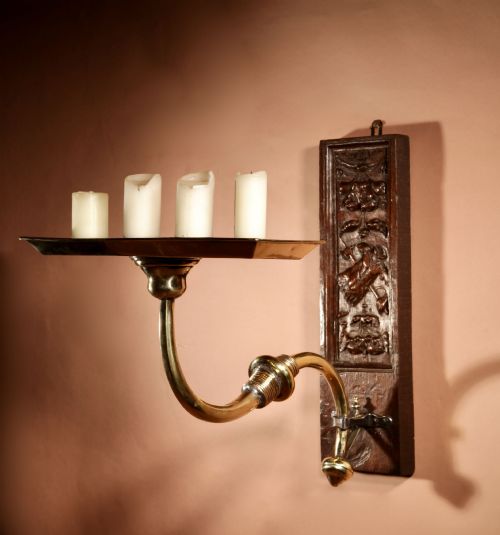
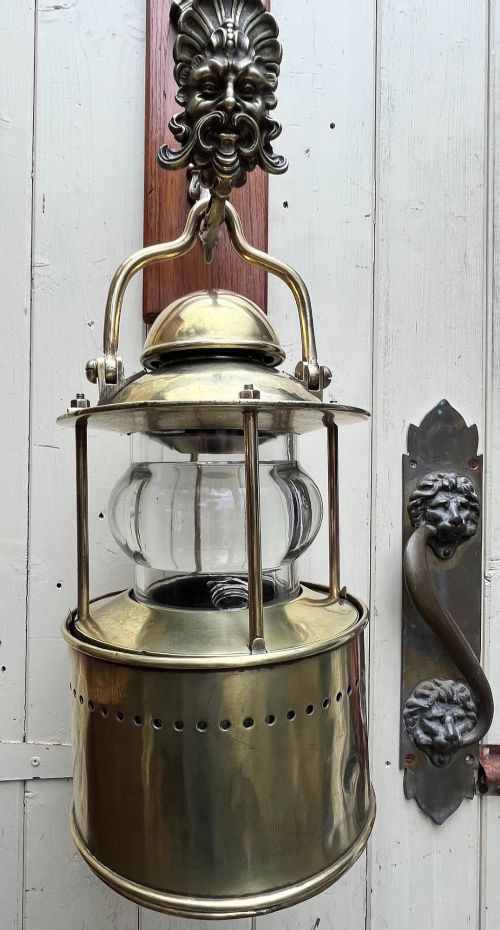
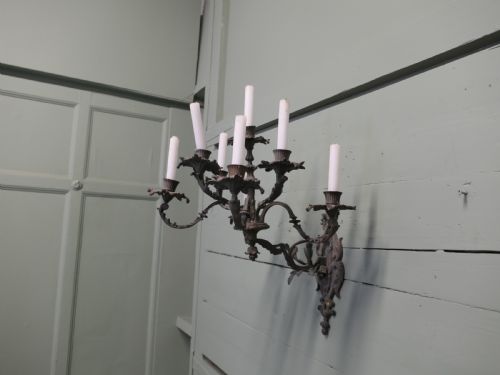
Gothic wall lights combine architectural motifs with practical illumination, drawing from medieval design traditions. Buyers seeking these pieces encounter wall sconces, lanterns, and candle holders designed for interior mounting.
The selections on this page span the eighteenth, nineteenth, and early twentieth centuries. Pieces range from Victorian interpretations to Arts and Crafts copper work and French Gothic revival designs.
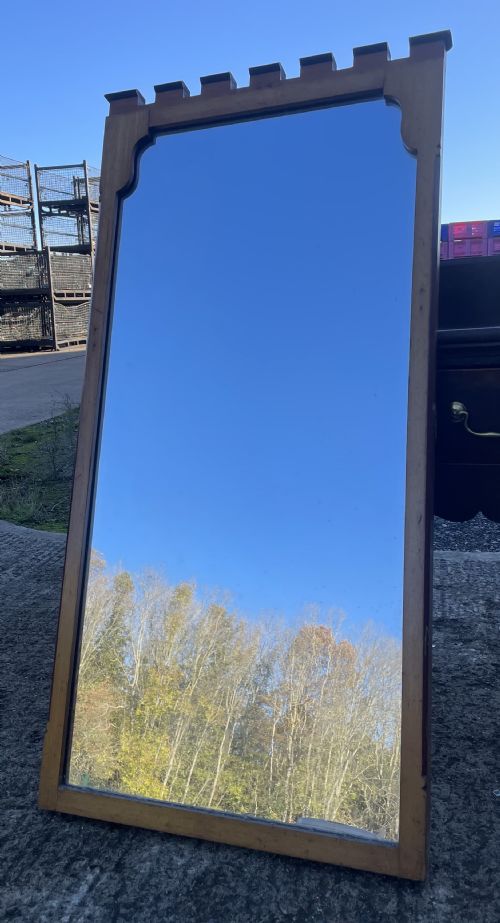
Forms vary from single candle holders to multi-armed bronze sconces and heavy iron castle lights. Oak mirrors with integrated sconces and wrought iron lanterns also appear within the selection.
How they were made
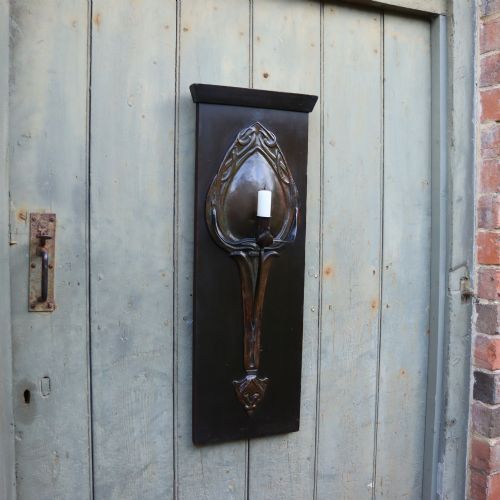
Metalwork dominates the construction of these pieces, utilising cast brass, patinated copper, wrought iron, and bronze. Makers employed techniques such as hand-hammering copper and forging iron to achieve durable, textured surfaces.
Gothic Wall Lights Retail Price Guide 2026
Typical asking prices for gothic wall lights among the pieces listed under this phrase on Sellingantiques today, from the lower quarter to the upper quarter. They describe what is for sale here now, not the wider market.
The listings span from the 18th century through the 1920s, featuring oak, brass, iron, copper, and glass.
What varies in quality
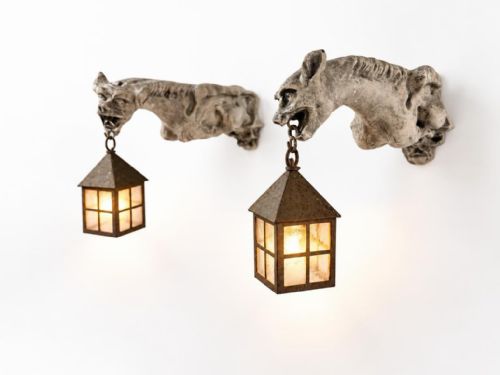
Quality depends upon the depth of the casting and the precision of the hand-finishing on metal components. Heavier gauge brass, iron, and bronze show sharper detail in architectural elements like quatrefoils and gargoyles.
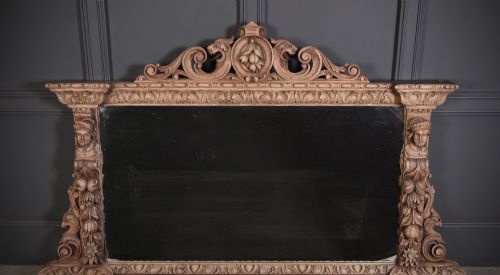
The execution of carved woodwork dictates the distinction between standard production items and finer commissions. Solid carved oak framing demonstrates greater permanence and sculptural clarity than simpler constructed pieces.
The Gothic Wall Lights Glossary
- Pricket candle holder
- A candlestick featuring a central spike to secure the candle rather than a socket. This form appears frequently in ecclesiastical and older domestic metalwork.
- Quatrefoil
- A decorative four-lobed shape resembling a four-leaf clover, commonly found in Gothic tracery. This geometric motif recurs across metal and wood fittings.
- Gargoyle
- A grotesque carved stone or metal spout intended to channel water, adapted here as an ornamental decorative bracket. These figures provide theatrical character to the wall fixtures.
- Overmantel mirror
- A large looking glass designed to hang specifically above a fireplace mantelpiece. Some historical examples incorporate candle sconces directly into the frame structure.
- Wall sconce
- A light fixture fixed to a wall that uses brackets to support candles or electric bulbs. They often project outwards to distribute illumination across a room.
Gothic Wall Lights: Frequently Asked Questions
How do I wire antique wall lights?
Many older metal and wooden fixtures were originally designed for candles or gas, requiring modern electrical conversion by a qualified professional.
Rewiring typically involves routing heat-resistant flex through existing channels without altering the visible historic exterior.
Where should I place a heavy iron wall light?
Substantial iron and bronze fixtures require secure masonry fixing or direct attachment to wall studs to support their weight safely.
Position them in hallways, entrances, or dining rooms where their strong architectural presence can anchor the space.
How do I clean patinated copper and brass?
Historic metal surfaces benefit from gentle dusting with a dry cloth to preserve their aged appearance and stable protective layer.
Avoid abrasive metal polishes that strip away the dark patination accumulated over centuries of exposure.
What is the difference between Gothic Revival and Arts and Crafts styles?
Gothic Revival pieces strictly mimic medieval ecclesiastical architecture with pointed arches, quatrefoils, and heavy cast metal or carved oak.
Arts and Crafts variants focus on visible hand-working techniques, particularly in beaten copper and patinated brass surfaces.