



Victorian Gothic Wall Lights
Victorian gothic wall lights bring heavy architectural drama indoors through brass, iron, and carved oak.
Victorian Gothic Wall Lights
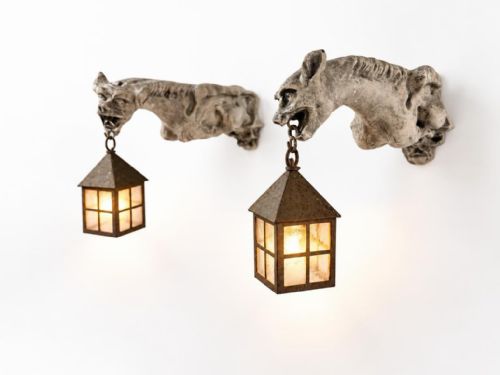
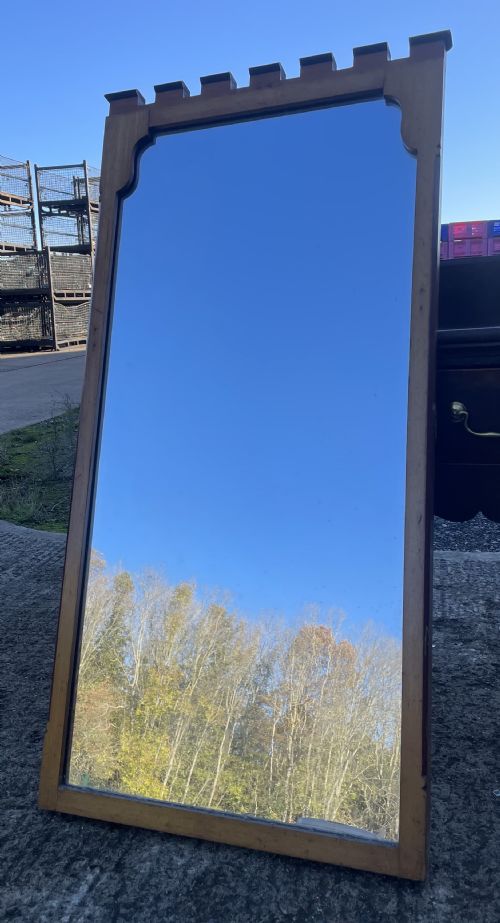
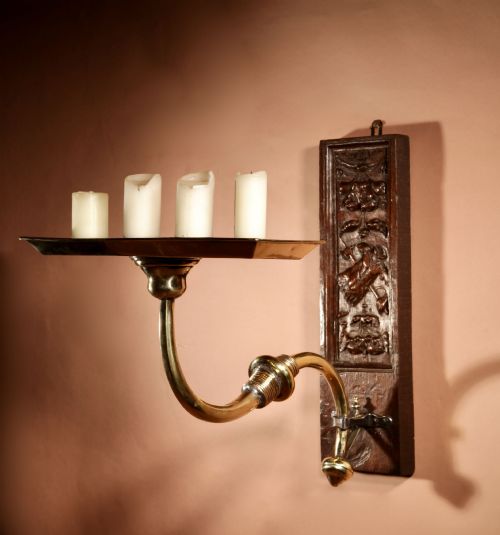
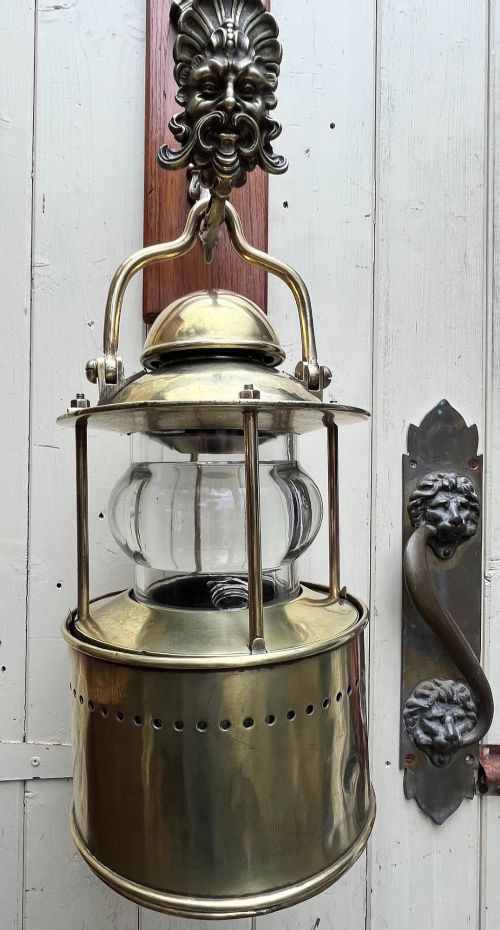
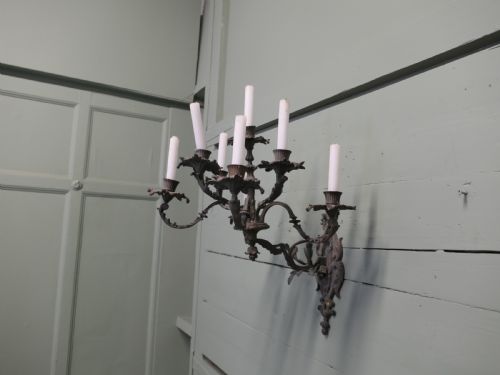
Victorian gothic wall lights combine the solemn geometry of medieval architecture with nineteenth-century domestic lighting needs. These fixtures emerge in forms such as brass wall sconces, iron castle lanterns, and heavy carved oak brackets holding pricket candles or lamps. Buyers exploring this phrase will frequently encounter brass and bronze sconces alongside timber-backed mirrors and wall lanterns.
The dominant material palette relies heavily on cast brass, wrought iron, and dark oak, often carrying ecclesiastical or heraldic motifs. Pieces range from simple nineteenth-century brass bracket lamps to elaborate seven-arm bronze sconces and grotesque gargoyle fixtures. The selection spans the Victorian era into the early twentieth century, keeping the medieval revival aesthetic alive.
Materials and Construction
Makers utilised cast brass and bronze for intricate armatures, shaping metal through traditional foundry methods to achieve sharp ecclesiastical detailing. Wrought iron provided sturdy structural integrity for heavy castle-style lanterns and wall brackets intended to bear weight securely.
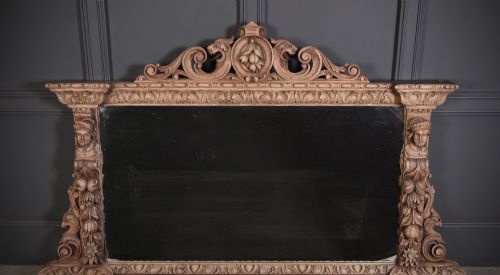
Oak served as the primary timber for carved backplates and mirror frames, chosen for its dense grain and capacity to hold deep sculptural relief. Glass elements, when present, were integrated into lanterns and sconces to diffuse the light of early candles or bulbs.
Victorian Gothic Wall Lights Retail Price Guide 2026
Typical asking prices for victorian gothic wall lights among the pieces listed under this phrase on Sellingantiques today, from the lower quarter to the upper quarter. They describe what is for sale here now, not the wider market.
Listings demonstrate a material preference for brass and oak, spanning the nineteenth century and the nineteen-twenties.
Distinctions in Quality
Weight and structural substance separate substantial architectural pieces from lighter decorative replicas. Heavier iron and cast bronze specimens demonstrate a material commitment that lighter domestic brass fittings lack.
The Victorian Gothic Wall Lights Glossary
- Pricket candle holder
- A candlestick featuring a sharp metal spike at the centre to secure the base of a candle. This form derives from medieval church altars and large ecclesiastical fittings.
- Gothic Revival
- An architectural and decorative style reviving medieval forms, pointed arches, and heavy ornamentation. The aesthetic dominated nineteenth-century design through ecclesiastical and domestic interiors.
- Wall sconce
- A light fixture fixed to a wall using a bracket support, historically designed for candles or torches. Surviving nineteenth-century examples often translate this form into cast brass or bronze.
- Overmantel mirror
- A large looking glass designed to hang directly above a fireplace mantelpiece. Victorian gothic versions frequently incorporate heavy carved oak frames and architectural pediments.
- Ecclesiastical
- Pertaining to the Christian church and its clergy, influencing the sombre and reverent decorative vocabulary of gothic lighting. This style employs motifs borrowed from cathedral stone and metalwork.
Victorian Gothic Wall Lights: Frequently Asked Questions
What materials make up these wall lights?
These fixtures predominantly feature cast brass, bronze, wrought iron, and dark carved oak. Glass and cast stone also appear in specific lantern and mirror formats.
The combination of heavy metals and dense timber defines the robust construction typical of the nineteenth-century gothic revival style.
How were these wall lights used?
Original interiors utilised these fixtures to illuminate hallways, living spaces, and ecclesiastical settings using candles or early lamps. They provided both functional illumination and striking architectural decoration.
Larger iron and bronze pieces suited high-ceilinged spaces, while lighter brass sconces served more intimate domestic rooms.
How do I date a gothic wall light?
Dating relies on material patination, casting techniques, and stylistic markers associated with nineteenth-century and early twentieth-century manufacturing. Evidence points to periods ranging from the Victorian era up to the nineteen-twenties.
Examining the fixings, metal composition, and wood seasoning helps establish the chronological origin of each piece.
Are these lights suitable for modern wiring?
Many surviving brass and bronze sconces adapt well to electrical conversion while retaining their historical appearance. Professional rewiring ensures safe integration into contemporary domestic spaces.
Original pricket candle holders and non-electrified brackets can remain as decorative wall ornaments or be altered by a specialist.