




Gothic Stained Glass
Gothic stained glass brings colour and solemn architectural weight to a room, channelling centuries of ecclesiastical design into panels, windows and lanterns.
Gothic Stained Glass
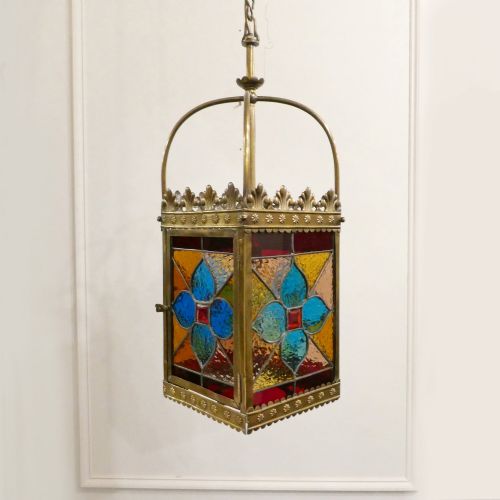
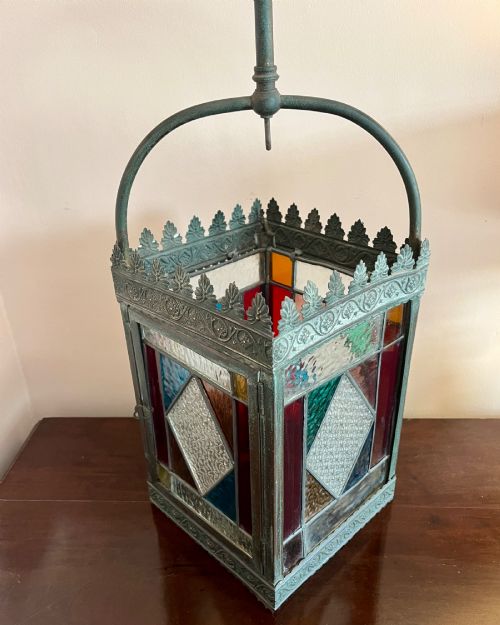
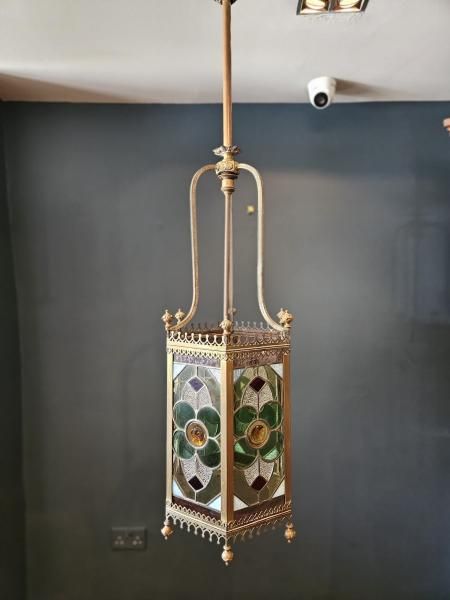
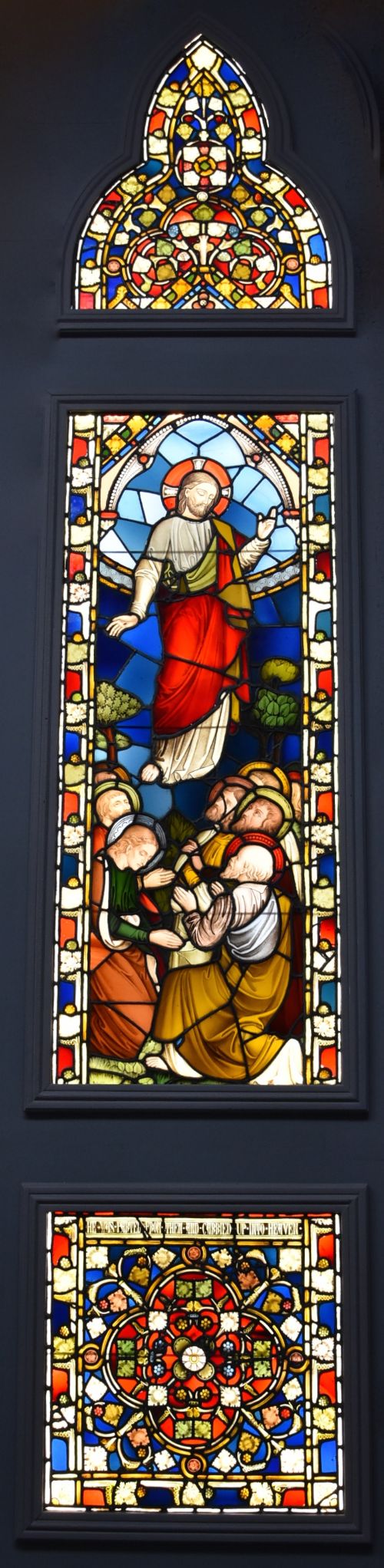
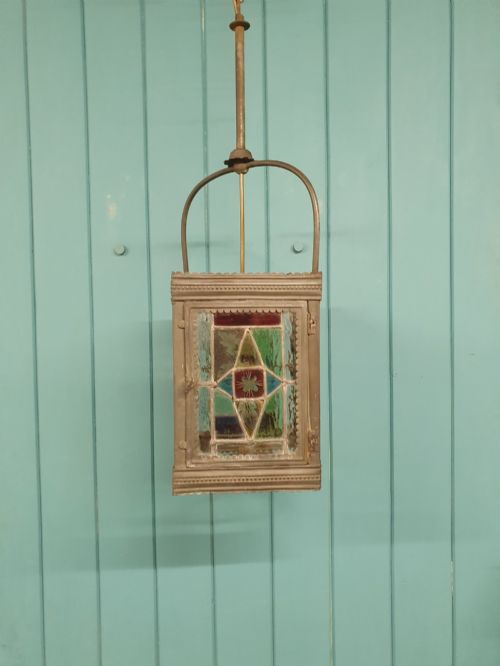
When you search for gothic stained glass, you encounter pieces designed to filter light through rich, pigmented panes held together by lead cames. The selection spans tall arch top church windows, decorative triptychs and domestic hall lanterns framed in brass or wrought iron.
You are most likely to meet Victorian and 19th-century examples, including Flemish Revival cabinets and bookcases fitted with leaded glass doors. These objects blend structural woodwork or metalwork with religious or heraldic imagery.
The aesthetic draws heavily on Gothic Revival and Pre-Raphaelite traditions, producing everything from hand-painted knights in armour to geometric diamond panes. Each piece reflects a nineteenth-century fascination with medieval craftsmanship and ecclesiastical grandeur.
How they were made
Glass panels are constructed by cutting coloured or painted glass to shape and joining the pieces with flexible lead cames soldered at the joints. Artisans then reinforced these delicate webs using iron saddle bars or robust brass and wrought iron frames.
Wooden furniture pieces integrate these glass elements into carved oak cabinets and bookcases using traditional joinery. Metal lighting fixtures combine leaded glass panels with cast brass and forged iron to support suspension.
Gothic Stained Glass Retail Price Guide 2026
Typical asking prices for gothic stained glass among the pieces listed under this phrase on Sellingantiques today, from the lower quarter to the upper quarter. They describe what is for sale here now, not the wider market.
A painted knight in armour stands ready in the glass, guarding the hallway from stray drafts.
What varies in quality
Quality rests in the artistry of the hand-painting, particularly in the fine detail given to figures, faces and heraldic motifs. Superior panels display rich tonal depth in the glass and precise, uniform soldering along the lead lines.
The caliber of the surrounding housing elevates a piece, whether it is an architectural oak frame with deep carving or a heavy brass lantern fitted with bevelled panes.
Sir Edward Burne-Jones
The Gothic Stained Glass Glossary
- Came
- A slender grooved strip of lead used to hold pieces of glass together in a window or panel. These strips form the structural grid that supports the entire composition.
- Triptych
- A picture or relief carving on three panels, hinged together side by side and folded open as an altarpiece. In glass, this describes a tripartite window configuration.
- Plique-a-jour
- An enamelling technique where enamel is applied in cells without a backing, resembling miniature stained glass. This method allows light to shine directly through the translucent material.
- Arch top
- A curved upper boundary on a window, door or panel. This structural shape mirrors traditional ecclesiastical architecture.
Gothic Stained Glass: Frequently Asked Questions
How do I hang a stained glass window?
Heavy windows and panels require robust chain or wire support secured directly to structural wall studs or ceiling joists, rather than relying on standard picture hooks.
Use wooden or metal battens to bear the weight evenly across the frame without putting stress on the lead cames.
Where should I place a hall lantern?
Hang lanterns in entranceways or stairwells where natural or artificial light can pass through the coloured glass panes to project patterns.
Ensure the hanging height allows clearance while positioning the light source to highlight the leadwork and painted details.
How can I tell a Victorian window from an older one?
Victorian interpretations often show nineteenth-century stylistic influences like Pre-Raphaelite figures or heavily carved oak surrounds alongside machine-rolled glass.
Examine the uniformity of the lead cames and the composition of the glass, as nineteenth-century revivals adapted medieval techniques for domestic and ecclesiastical building programmes.
Can I use architectural salvage outdoors?
Exposing antique glass and lead to harsh weather requires protective secondary glazing to shield the fragile materials from wind and moisture damage.
Indoor placement remains preferable to preserve the delicate painted surfaces and structural integrity of the leadwork.