




Gothic Revival Ornament
Gothic revival ornament brings the solemn majesty of medieval architecture and sculpture directly into domestic spaces.
Gothic Revival Ornament
When you search for gothic revival ornament, you encounter a fascinating mix of architectural salvage, devotional sculptures and decorative objects spanning several centuries.
The selections on this page draw heavily from the nineteenth century, featuring pieces styled in Victorian gothic revival alongside older stone fragments and architectural models.
How they were made
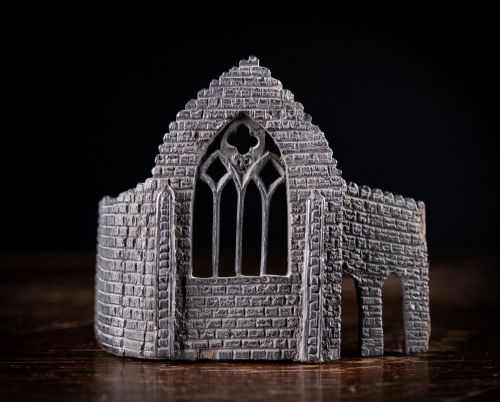
The makers of these items utilised traditional hard materials such as oak, bog oak, sandstone and limestone, shaping them through meticulous hand carving.
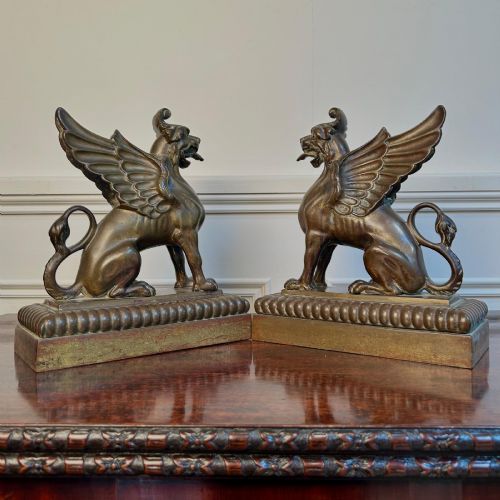
Metalwork also plays a significant role, with bronze and other metals cast into decorative forms including architectural ornaments and sculptural pairs.
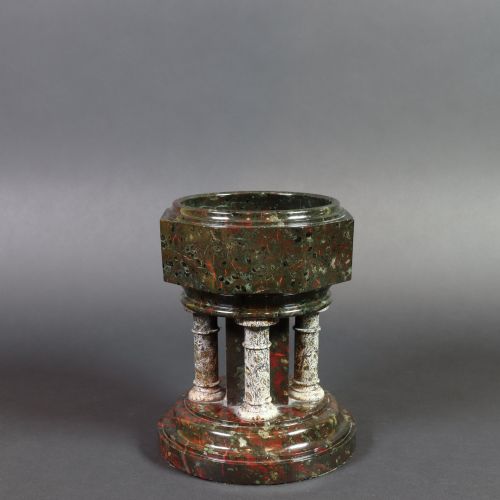
Alternative mediums appear too, ranging from smooth Cornish serpentine stone to leathermaché architectural decorations and bronzed finishes.
Gothic Revival Ornament Retail Price Guide 2026
Typical asking prices for gothic revival ornament among the pieces listed under this phrase on Sellingantiques today, from the lower quarter to the upper quarter. They describe what is for sale here now, not the wider market.
The available object types span functional architectural salvage, miniature ecclesiastical models, and delicate decorative sculptures.
What varies in quality
Quality rests primarily on the crispness of the carving and the fidelity of the architectural detailing, where sharp lines and deep undercut work distinguish superior items.
The authenticity of the material and its age also dictate standing, as genuine architectural salvage carries historical weight that mass production lacks.
Provenance adds another layer of distinction, particularly when pieces originate from notable ecclesiastical sites or historical buildings.
The Gothic Revival Ornament Glossary
- Architectural salvage
- Building elements rescued from structures slated for demolition or restoration. These pieces retain their original function as decorative components.
- Finial
- A distinctive decorative ornament that terminates the peak of a roof, canopy, or architectural gable. They frequently take carved floral or foliate forms.
- Serpentine stone
- A compact, dull green rock often polished to resemble marble. Cornish varieties became popular for Victorian decorative objects and ecclesiastical models.
- Bog oak
- Subfossil oak timber preserved in peat bogs for centuries, turning a deep dark brown or black. Nineteenth-century artisans carved it into miniature architectural ruins.
- Putti
- Depictions of plump, winged infant figures resembling cherubs. They appear frequently in architectural decorations and sculptural reliefs.
Gothic Revival Ornament: Frequently Asked Questions
What is gothic revival ornament?
Gothic revival ornament encompasses decorative objects, architectural fragments and sculptures inspired by medieval design principles. These pieces range from authentic medieval stone carvings to nineteenth-century interpretations.
Collectors prize them for their dramatic architectural profiles and rich textural qualities. They bridge the gap between structural architecture and domestic interior decoration.
How were these ornaments used?
Many of these items originated as structural building components such as finials, pinnacles, and sun dial plinths. Others served devotional purposes within churches or functioned as Grand Tour souvenirs.
In domestic settings, they added a sense of history and gravitas. Miniature models and sculptures were displayed on tables and mantelpieces to showcase refined taste.
How do I live with gothic revival pieces?
These items command attention due to their strong architectural forms and heavy materials like stone, bronze, and carved oak. Placing them against plain walls allows their intricate details to stand out clearly.
Pairing heavy stone fragments with simpler modern furniture creates a striking textural contrast. Ensure stone and wood pieces are kept away from excessive moisture and direct heat sources.
How can I tell periods apart?
Distinguishing periods relies on observing tool marks, material preparation, and stylistic execution. Pre-sixteenth-century items often show the rougher hand of medieval masonry, whereas nineteenth-century revivals display precise machinery influence alongside hand finishing.
Material choice also offers clues, as specific regional stones and synthetic mediums like leathermaché point directly to distinct manufacturing eras.