
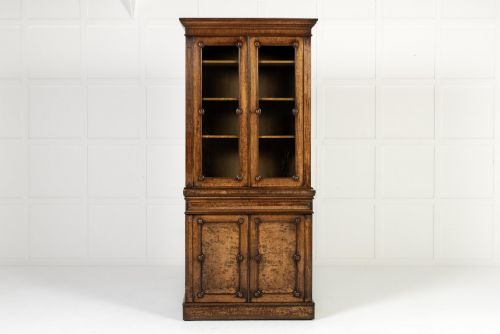


Gothic Revival Oak Bookcase
These gothic revival oak bookcase pieces combine architectural traceries with sturdy timbers, offering serious collectors enduring storage for notable libraries.
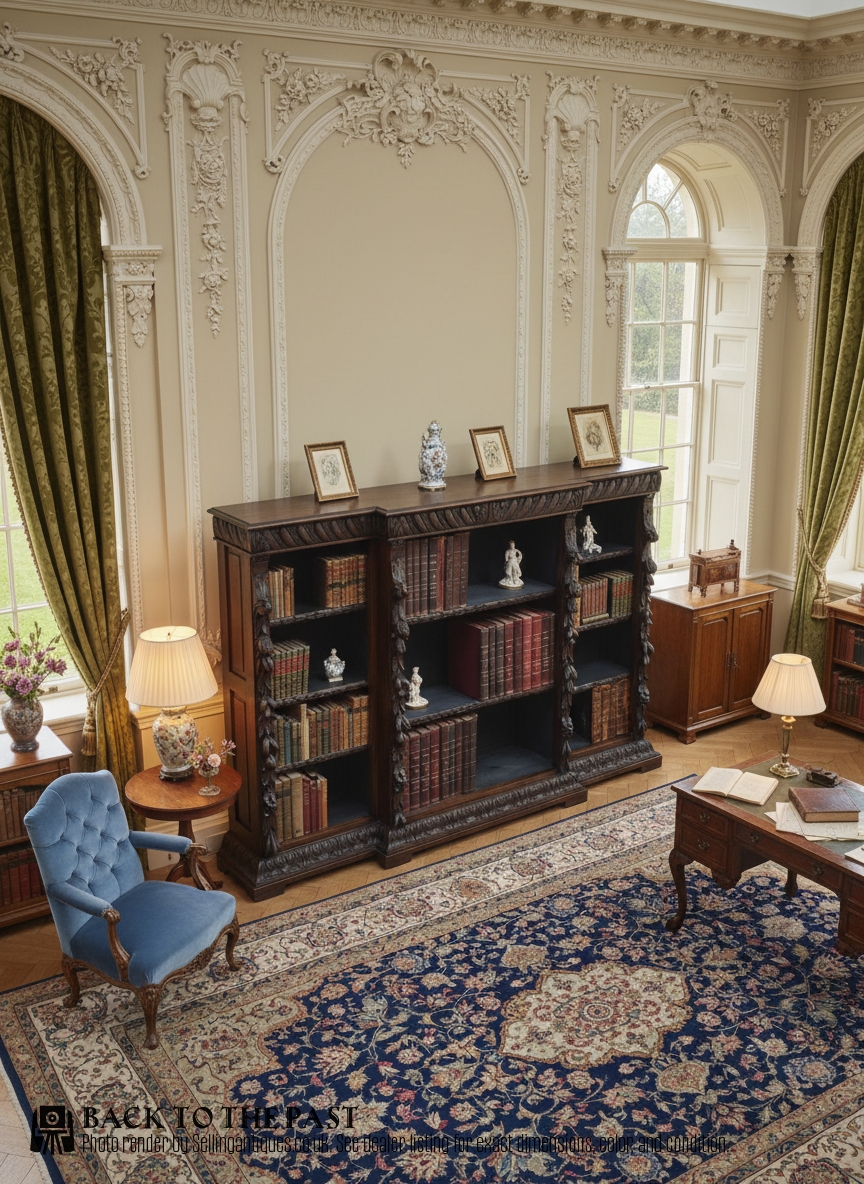
Gothic Revival Oak Bookcase
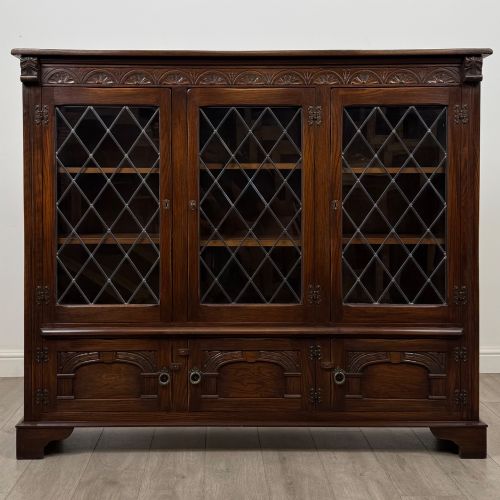
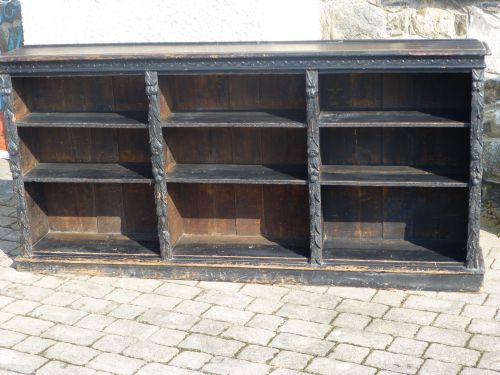
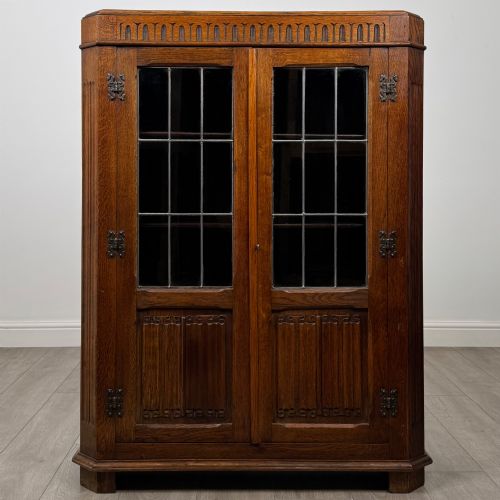
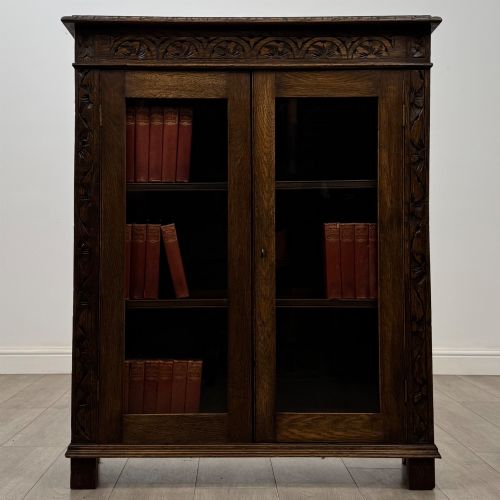
A gothic revival oak bookcase bridges medieval ecclesiastical design with domestic Victorian utility. Buyers encounter open front shelves, glazed display cabinets, and tall architectural cupboards spanning the nineteenth and early twentieth centuries.
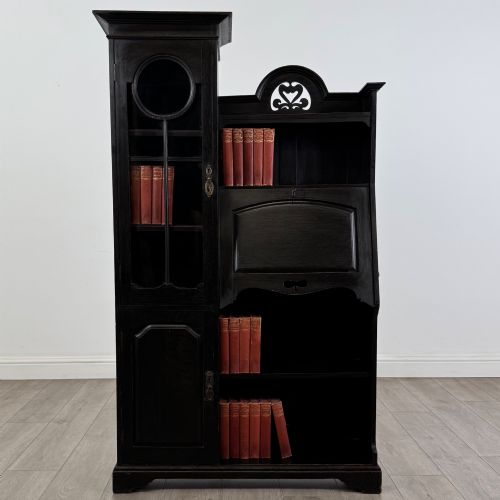
Most examples hail from the Victorian period, though Edwardian interpretations and pieces influenced by the Arts and Crafts movement also appear. The timber remains steadfastly oak, occasionally figured in pollard form or contrasted with ebonised finishes.
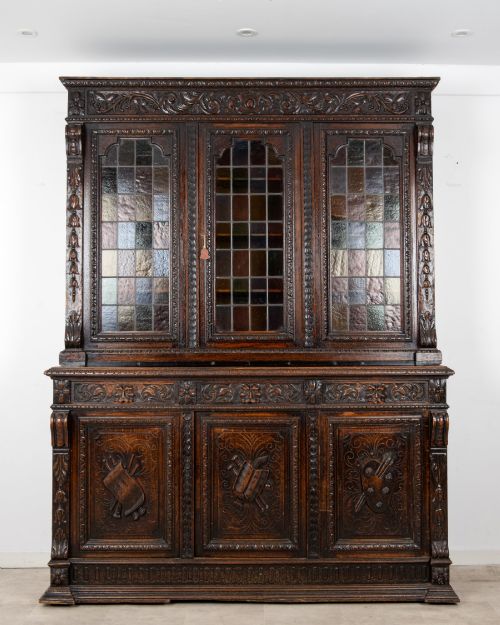
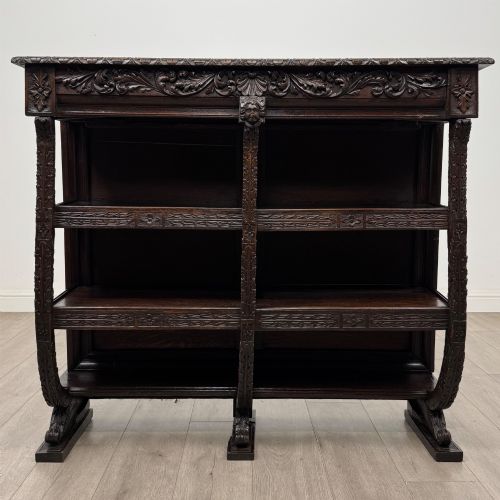
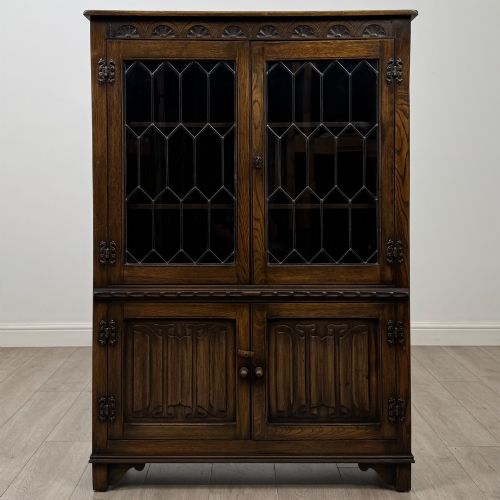
Forms range from modest dwarf open bookcases to monumental breakfront cabinets designed for substantial libraries. Many incorporate distinctive carved details such as linenfold panels or green man motifs.
How They Were Made
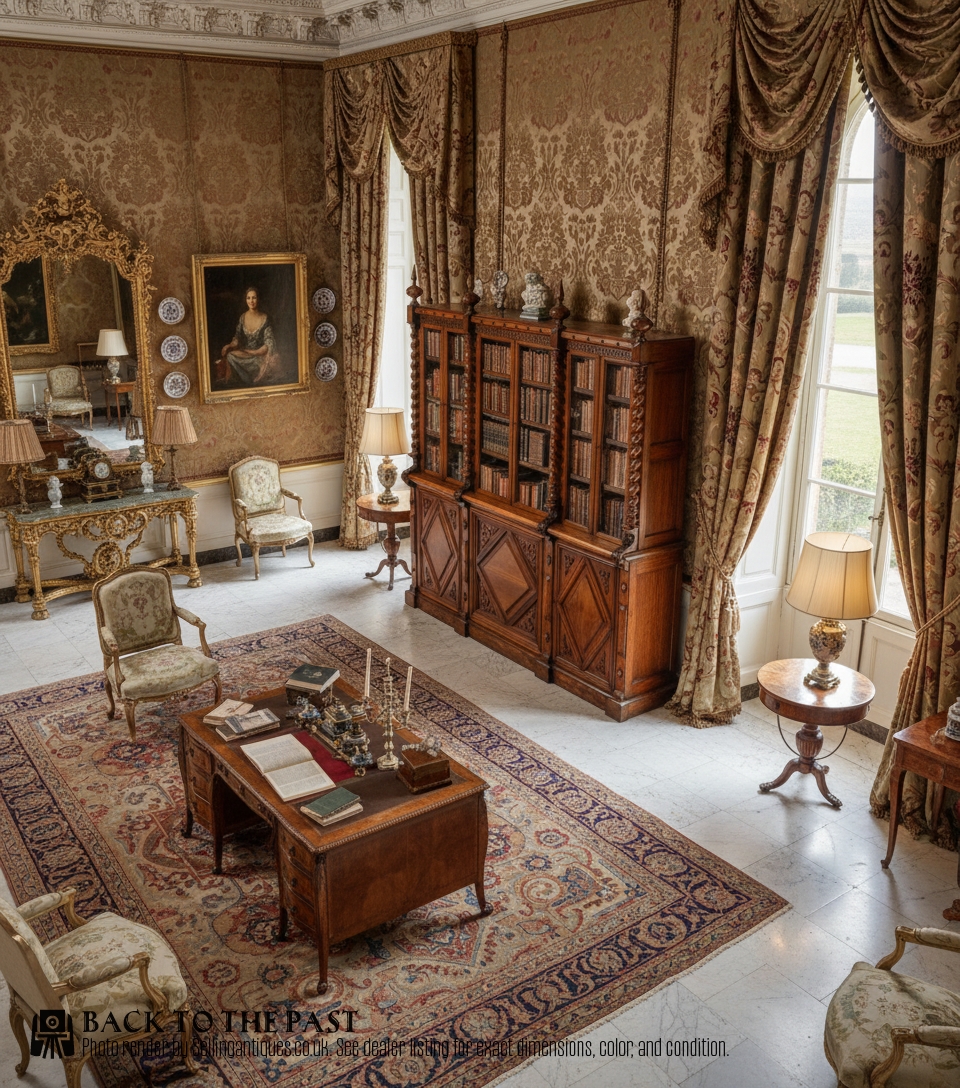
Cabinet makers utilised solid oak and pollard oak, assembling cases with traditional joinery to support heavy volumes. Glazed doors frequently employed lead or brass framing to secure stained or clear glass panels.
Carving was executed by hand, rendering intricate gothic arches, barley twist turnings, and architectural mouldings. Iron hardware and brass panels completed the construction of these robust storage items.
Gothic Revival Oak Bookcase Retail Price Guide 2026
Typical asking prices for gothic revival oak bookcase among the pieces listed under this phrase on Sellingantiques today, from the lower quarter to the upper quarter. They describe what is for sale here now, not the wider market.
Listings span the nineteenth and twentieth centuries, incorporating Victorian, Edwardian, and Arts and Crafts design sensibilities.
What Varies in Quality
The standard of the hand carving defines the upper tier of these pieces, distinguishing sharp, deep relief work from shallow, mechanical finish. Architectural proportion and the integration of secondary timbers like pollard oak also elevate certain cabinets.
Construction methods dictate longevity, with fully integrated adjustable shelving and substantial backboards separating superior examples from simpler utilitarian cupboards.
John Moyr Smith·Richard Bridgens
The Gothic Revival Oak Bookcase Glossary
- Gothic Revival
- An architectural and decorative style drawing inspiration from medieval ecclesiastical design, featuring pointed arches and quatrefoils. This aesthetic dominated much nineteenth-century cabinet making.
- Pollard Oak
- Timber taken from trees that were pruned close to the trunk, producing a dense, highly figured grain pattern. Cabinet makers utilised this prized wood for decorative veneers and feature panels.
- Green Man
- A sculptural motif representing a human face entwined with foliage, symbolising rebirth. Carvers frequently incorporated this figure into nineteenth-century woodwork.
- Secretaire Bookcase
- A combination piece featuring a fitted writing drawer with a drop-front desk surface beneath upper shelving. These items served dual functions for study and storage.
- Linenfold
- A style of wood carving that imitates vertical folds of fabric, commonly found on panels. It adds texture and historical allusion to cabinet doors.
Gothic Revival Oak Bookcase: Frequently Asked Questions
What is a gothic revival oak bookcase?
It is a piece of nineteenth-century furniture that applies medieval architectural motifs, such as pointed arches and pointed tracery, to domestic shelving and storage cabinets made from oak.
These items were constructed during the Victorian and Edwardian eras to house growing private library collections in homes influenced by romantic historicism.
How do I date an oak bookcase?
Dating relies on examining construction techniques, hardware, and stylistic overlaps such as Arts and Crafts influences or Renaissance revival details. Periods range from early Victorian iterations through to the Edwardian era.
Mouldings, timber selection, and the presence of hand-carved elements like green men or linenfold panels provide further chronological clues.
Were these bookcases used only for books?
While primarily designed to store heavy volumes, many examples include glazed doors or display cabinets intended to showcase curiosities and decorative arts.
Secretaire variants also incorporated writing desks, allowing these pieces to function as multifunctional study furniture.
How should I care for antique oak?
Maintain stable humidity levels and keep the timber away from direct heat sources to prevent the solid oak from splitting or warping.
Dust regularly with a dry cloth and occasionally apply appropriate wax polish to preserve the finish without building up heavy residue.