
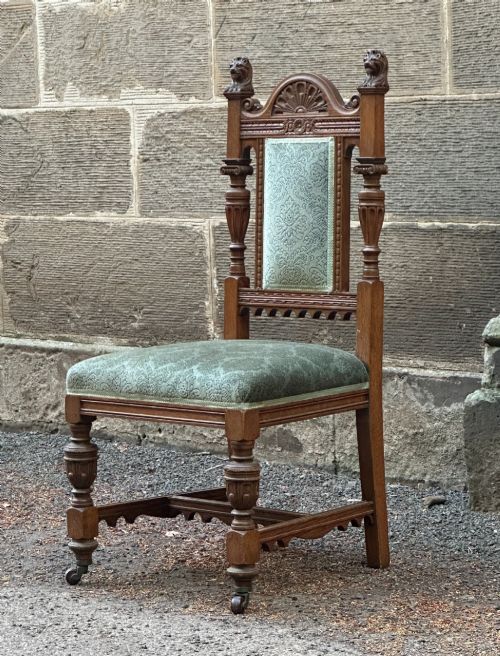


Gothic Revival Carved Head
Gothic revival carved head pieces bring medieval solemnity and intense architectural detail into a room through weathered wood and stone.
Gothic Revival Carved Head
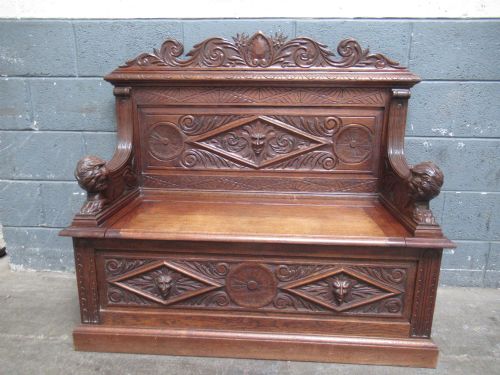
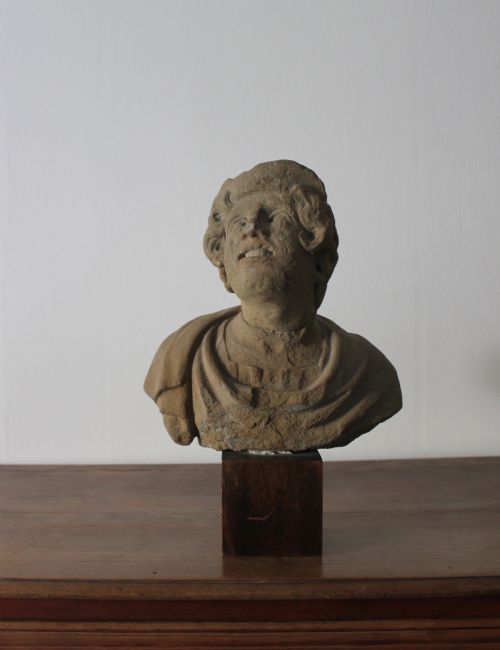
A gothic revival carved head search reveals architectural ornaments, statues, and sculptural elements integrated into functional furniture like armchairs, benches, and desks. These pieces span from pre-sixteenth century stone fragments up to Edwardian revivals, with nineteenth-century oak and walnut items dominating the selection.
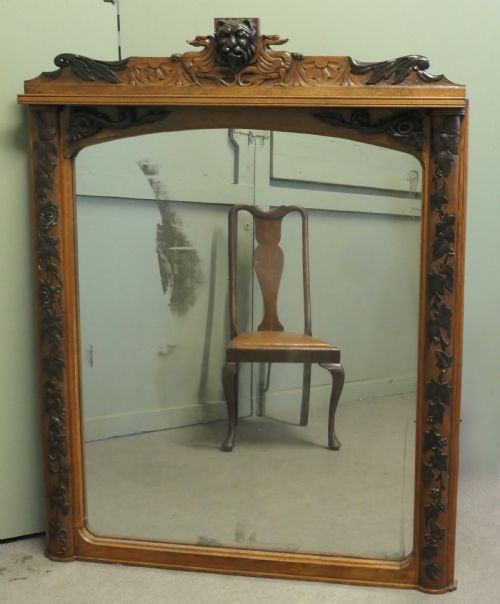
Buyers encounter distinct forms ranging from solitary stone busts and religious statue heads to expressive wooden motifs like lions, dogs, and Green Man imagery carved onto seating and wall mirrors. The aesthetic draws heavily from medieval ecclesiastical and secular traditions, reinterpreted by Victorian and Edwardian cabinetmakers.
Materials and construction methods
Makers relied primarily on seasoned oak and walnut for wooden carvings, utilising dense timbers that allowed deep, crisp relief work without splintering. Stone appears in earlier or more architectural examples, providing a weighty, permanent medium for sculptural busts.
Carpenters and woodcarvers employed hand chisels and gouges to shape intricate details such as animal manes, foliate patterns, and human expressions directly into the structural framework or applied panels of furniture. Joints were typically doweled, mortised, and tenoned to support the heavy loads demanded by large armchairs, desks, and benches.
Listings feature items spanning from pre-sixteenth century stone up to Edwardian revivals, constructed primarily in oak and walnut.
Distinctions in craftsmanship and design
Quality rests in the depth and vitality of the chisel work, where master carvers achieved lifelike expression and anatomical precision in stone and wood rather than shallow, mechanical stamping. Superior pieces display thoughtful integration between the sculptural head and the functional object it inhabits.
Material selection dictates longevity and visual resonance, with dense, well-figured oak and rich walnut providing a superior canvas for historical ornamentation compared to softer secondary woods. The structural integrity of the underlying furniture pieces, from framed stools to heavy desks, determines whether the carved elements endure as unified works of art.
Bruce Talbert·Gillows
The Gothic Revival Carved Head Glossary
- Green Man
- A sculptural face depicted carved with leaves, vines, or foliage sprouting from the mouth or skin, symbolizing rebirth and spring. This motif appears frequently on nineteenth-century oak furniture and architectural woodwork.
- Poppy head
- An architectural ornament forming the carved top of a bench end, pew, or desk, often shaped like a stylised leaf or bud. Examples range from simple medieval carvings to later gothic revival interpretations.
- Fauteuil
- An open-armed wooden armchair with upholstered back and seat, occasionally adapted with carved walnut or oak frames in continental revival styles. The arms typically remain open rather than fully padded.
- X-frame
- A furniture base constructed from intersecting diagonal stretchers forming an X shape, providing robust support for stools and chairs. This structural form dates back centuries and saw renewed popularity during the Victorian revival periods.
Gothic Revival Carved Head: Frequently Asked Questions
What is a gothic revival carved head?
A gothic revival carved head refers to sculptural representations of humans, mythical figures, or animals integrated into nineteenth-century furniture, architectural elements, or standalone stone busts.
These works draw inspiration from medieval ecclesiastical design, translating historic stone and timber motifs into domestic settings through skilled hand carving.
How were these carved pieces used originally?
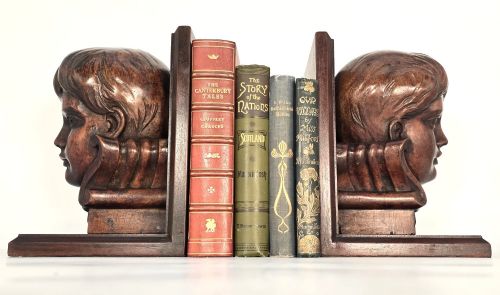
Many carved heads served as structural ornaments on functional items like hall benches, sideboards, throne armchairs, and library bookends.
Others functioned purely as architectural masonry or devotional statues, intended to project status, solemnity, and historical continuity within a Victorian interior.
How do I care for antique carved wood?
Antique oak and walnut require stable indoor humidity levels and protection from direct sunlight to prevent the timber from splitting or drying out.
Gentle dusting with a dry cloth preserves the recessed details of the hand carving without building up heavy wax residues in the crevices.
How can I tell the period of a carved piece?
Dating relies on examining the tool marks, timber shrinkage, joinery techniques, and the specific stylistic vocabulary of the revival movement.
Nineteenth-century interpretations often blend medieval iconography with Victorian upholstery standards, whereas genuine pre-sixteenth century fragments show distinct weathering and hand-hewn construction methods.