


Gothic Revival Art
Gothic revival art brings medieval form and serious craftsmanship into domestic rooms through heavy timber, wrought metal, and pointed arches.
Gothic Revival Art
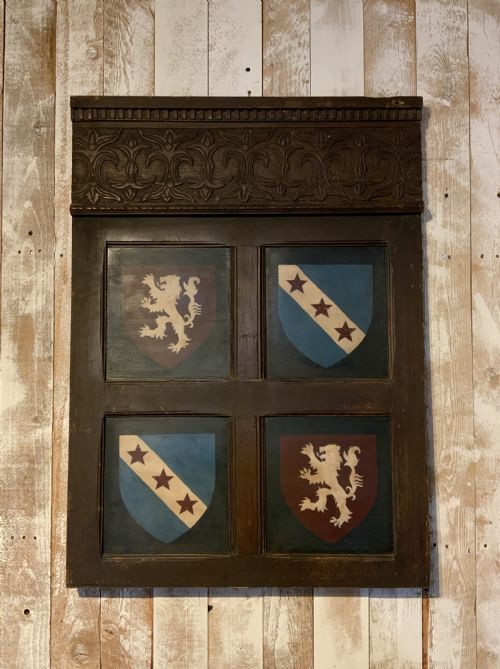
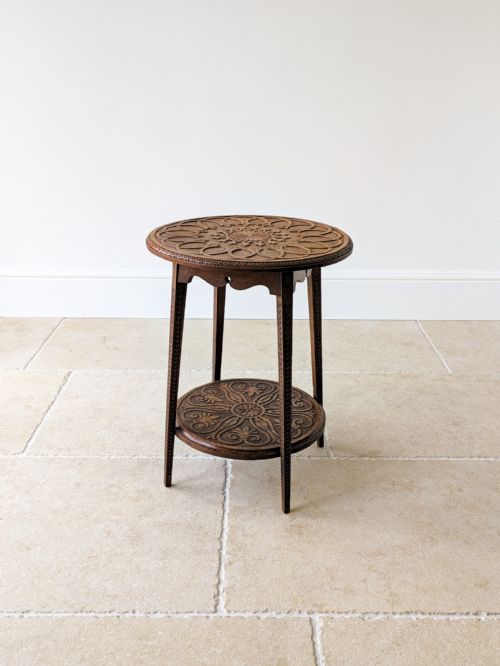
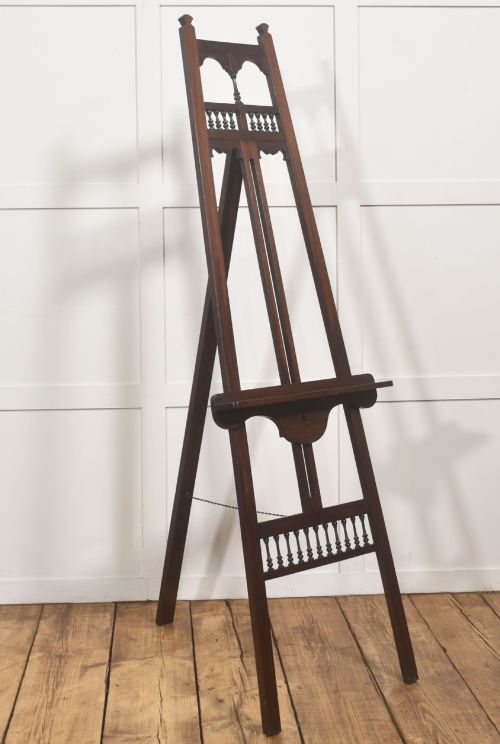
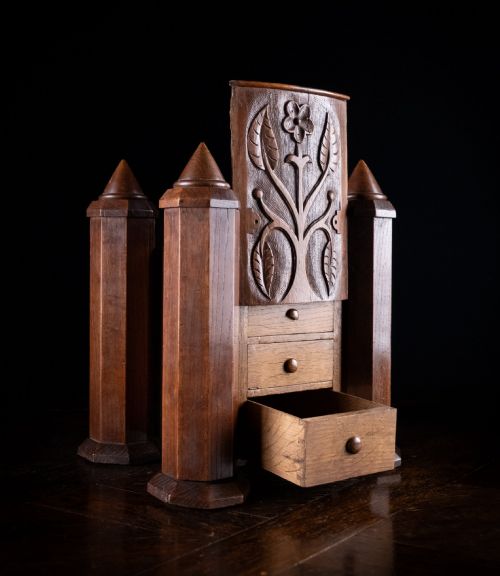
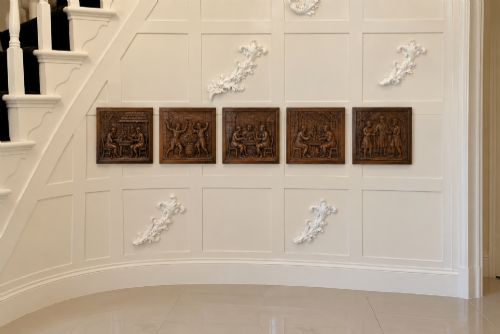
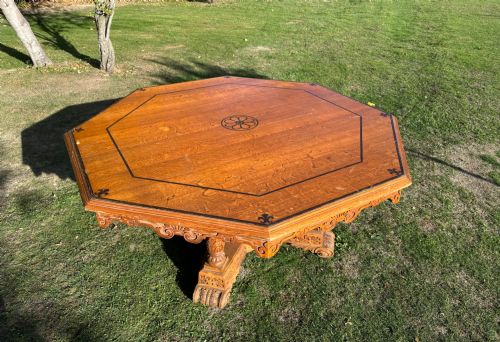
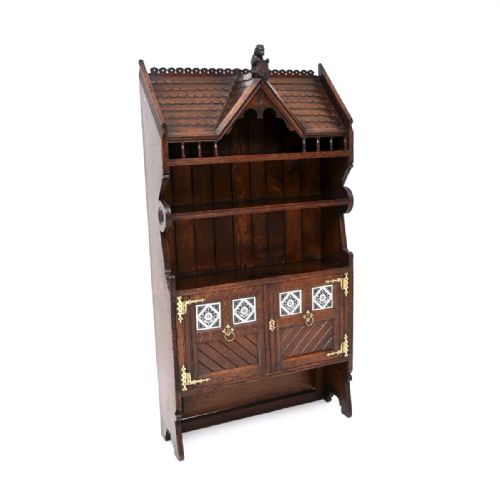
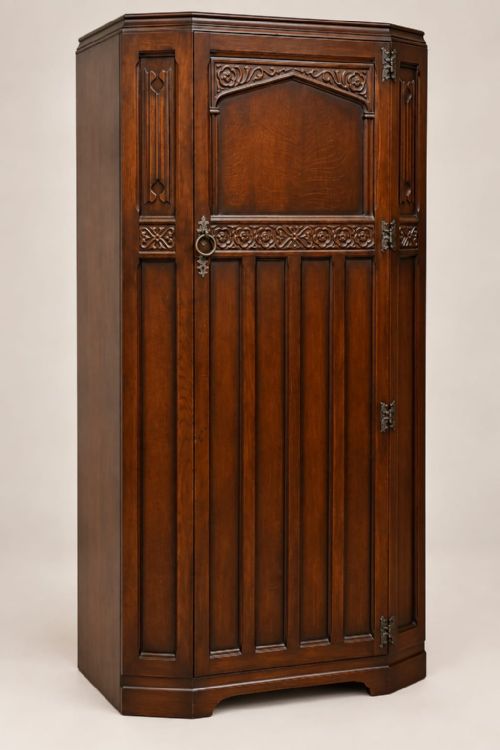
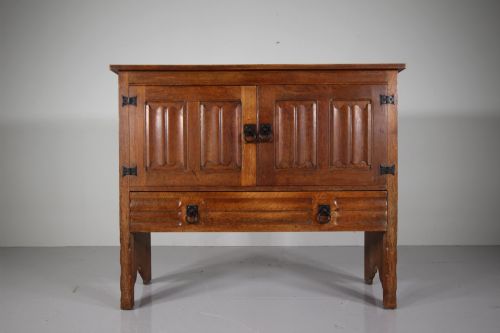
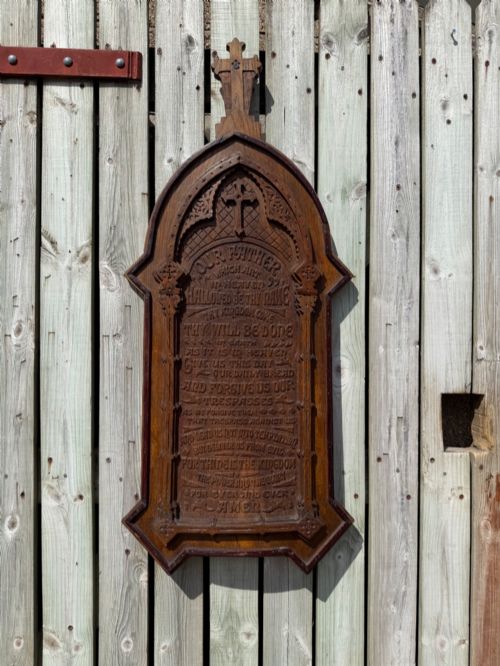
When you examine gothic revival art, you encounter substantial furniture, architectural fittings, and devotional works spanning the nineteenth and early twentieth centuries. These pieces translate medieval ecclesiastical motifs into domestic sideboards, wardrobes, tables, and seating.
The items found here frequently merge gothic revival principles with arts and crafts or aesthetic movement ideals. You meet oak sideboards, pine dressers, and church benches alongside smaller metalwork and paintings.
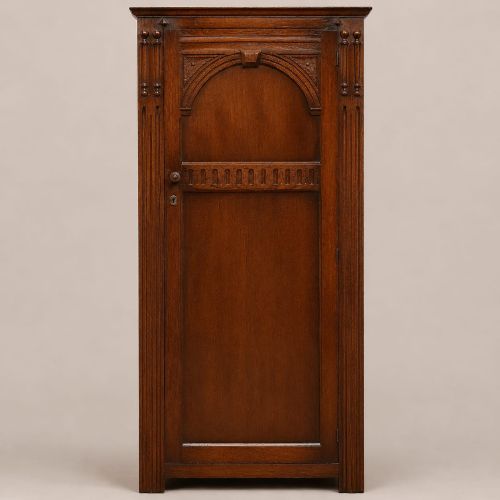
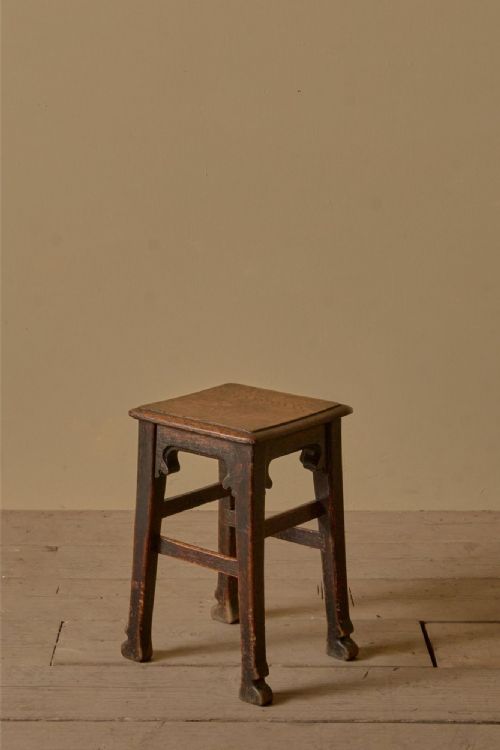
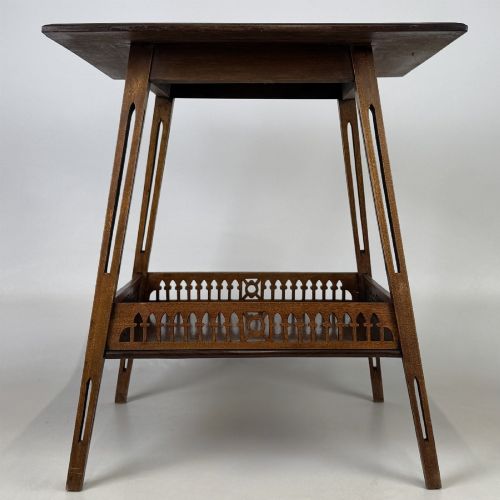
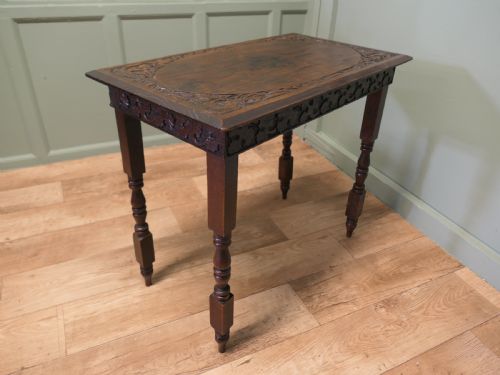
Oak dominates the furniture forms, often carved with linenfold patterns, trefoils, and stretcher bases. Smaller decorative objects introduce brass, iron, copper, and glass to the domestic interior.
How they were made
Makers utilised solid oak, pine, and elm, relying on traditional joinery such as mortise and tenon construction to support heavy loads. Timber surfaces received hand-carving showing tool marks, while pine examples were frequently left ready for wax or paint.
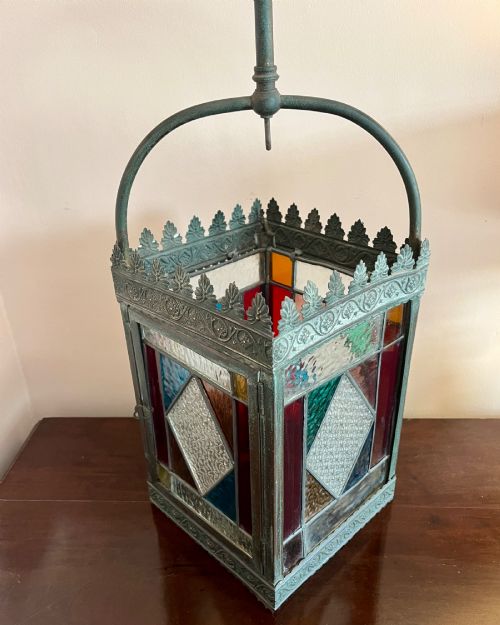
Metal components combined cast iron, forged wrought iron, brass, and copper. Blacksmiths hammered floor lamps and andirons by hand, while hardware utilised brass and iron for hinges, handles, and structural brackets.
Gothic Revival Art Retail Price Guide 2026
Typical asking prices for gothic revival art among the pieces listed under this phrase on Sellingantiques today, from the lower quarter to the upper quarter. They describe what is for sale here now, not the wider market.
Listings feature oak, pine, and elm across domestic furniture like sideboards, wardrobes, and benches from the nineteenth and early twentieth centuries.
What varies in quality
The distinction between ordinary and exceptional pieces rests upon the depth and precision of the carving, alongside the integrity of the timber. Pieces designed by notable architects or workshops display sharper proportions and more deliberate structural detailing.
Original hardware, untouched patination, and documented provenance elevate certain items above standard utility pieces. Alterations or later replacements to handles, glass panels, or structural stretchers alter the standing of an item.
John Moyr Smith·Christopher Dresser·Baillie Scott
The Gothic Revival Art Glossary
- Linenfold
- A style of wood carving that imitates folded linen panels. It appears frequently on cabinet doors and desk fronts from the period.
- Trefoil
- A three-lobed decorative ornament resembling a clover leaf. This motif recurs within tracery, chair backs, and structural supports.
- Stretcher base
- Horizontal timber rails connecting the legs of a table or chair for stability. These often feature heavy central bracing in larger sideboards.
- Glastonbury chair
- A wooden folding chair with X-shaped supports and a sloping back. This form draws directly upon medieval ecclesiastical seating designs.
Gothic Revival Art: Frequently Asked Questions
How do I identify a piece?
Look for architectural motifs such as pointed arches, trefoil cut-outs, and heavy timber construction. These elements signal the intentional revival of medieval design principles in domestic items.
Examine the secondary woods, fixings, and carving styles to establish the period. Documentation or maker stamps provide definitive confirmation of origin.
Where were these used?
Many items originated in churches, public schools, and grand libraries before entering domestic spaces. Chairs, pews, and lecterns served ecclesiastical or institutional functions.
Sideboards, wardrobes, and tables were built for large Victorian and Edwardian homes adopting a medieval aesthetic. Smaller objects like andirons and coal scuttles fitted hearths in similar settings.
Are these items practical today?
Solid oak wardrobes, sideboards, and tables offer robust storage and surface space for modern homes. Their heavy construction ensures they withstand daily domestic use.
Care is required with historic finishes, but standard maintenance involves occasional wax application. Lighting and seating pieces integrate easily into contemporary interiors.
How do I care for timber?
Keep wooden furniture away from direct heat sources and sudden temperature shifts to prevent splitting. Natural beeswax applied sparingly preserves the historic surface.
Avoid harsh chemical cleaners on carved oak and pine surfaces. Gentle dusting with a dry cloth maintains the patina accumulated over decades.