


Gothic Metal Candle Stands
Gothic metal candle stands are architectural and sculptural pieces that bring medieval theatre and industrial strength into a room.
Gothic Metal Candle Stands
When you search for gothic metal candle stands, you are looking at items that span from the nineteenth century into the early decades of the twentieth century. These objects bridge historical revivalism and functional domestic lighting, drawing inspiration from medieval ecclesiastical forms.
Many of these pieces serve as striking floor or table ornaments, utilising pricket spikes or sockets to hold candles. Their designs often incorporate architectural motifs or figurative elements, reflecting the distinct aesthetic movements of their respective periods.
Materials and construction
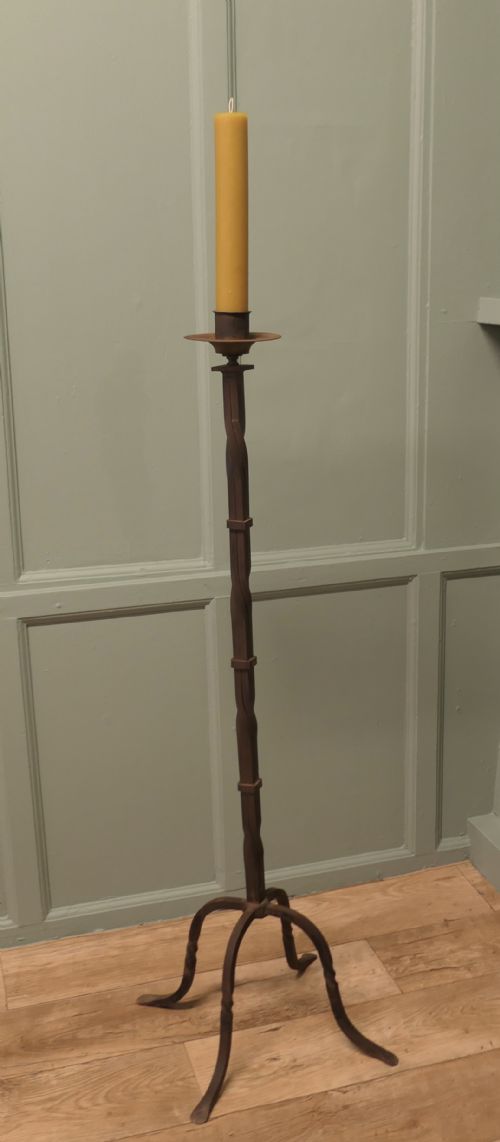
These pieces are forged and cast from metals including wrought iron, brass, copper, cast iron, and spelter with a bronze patina. Wrought iron versions demonstrate traditional blacksmithing techniques with visible hammering and joins, while cast metals achieve more intricate decorative relief.
Makers combined metals such as brass and copper within single pieces to create tonal contrast, sometimes mounting them on wood bases. The construction methods reflect the transition from manual artisan smithing to the industrial output of the late nineteenth and early twentieth centuries.
Materials represented include brass, wrought iron, copper, spelter, cast iron, and wood.
Assessing quality and character
Quality in these items rests upon the weight of the metal, the crispness of the casting or the integrity of the forging, and the originality of the surface finish. Pieces designed by named figures or produced within specific artistic schools carry distinct design cohesion.
The distinction between standard domestic production and higher artistic merit lies in the architectural proportion and the deliberate execution of decorative details, such as figurative elements or patination.
Dr Christopher Dresser·Hugo Berger
The Gothic Metal Candle Stands Glossary
- Pricket
- A sharp metal spike upon which a candle is impaled. This traditional form appears frequently on older ecclesiastical-style candlesticks.
- Spelter
- An alloy of zinc and other metals cast into decorative shapes and often given a bronze or metallic patina. It mimics heavier bronze while remaining lighter in weight.
- Wrought iron
- Iron that is heated and hammered into shape by hand, resulting in textured surfaces and visible grain. It is characteristic of heavy structural candle stands.
- Secessionist
- An artistic movement from the early twentieth century that rejected traditional historicism in favour of geometric simplification and stylised forms. It influences several pieces on this page.
- Aesthetic Movement
- A late nineteenth-century movement that emphasised visual beauty over narrative or moral function in design. Metalwork from this era often prioritises pure form and material honesty.
Gothic Metal Candle Stands: Frequently Asked Questions
What is a pricket candlestick?
A pricket candlestick is a holder that uses a sharp upright spike to secure the candle rather than a hollow socket.
This medieval method of holding candles is commonly found on ecclesiastical and Gothic Revival pieces.
How do I clean brass candle stands?
Brass stands can be dusted with a soft dry cloth to maintain their surface.
Aggressive polishing should be avoided to preserve the historic patina that accumulates over the decades.
Where should I place a floor candelabrum?
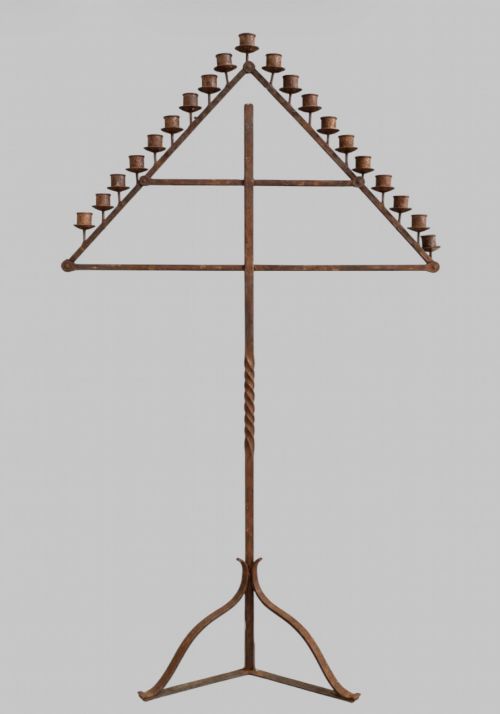
Floor candelabra work best in larger spaces where their height and architectural presence can function as a focal point.
They sit comfortably in corners or flanking fireplaces, echoing their original utilitarian placement.
Are these items from the medieval period?
These items date from the nineteenth and early twentieth centuries rather than the medieval era.
They represent later revivals and artistic interpretations of medieval and Gothic styles.