
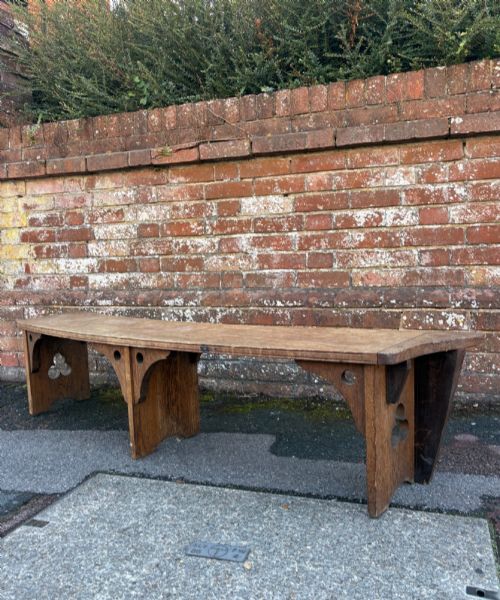
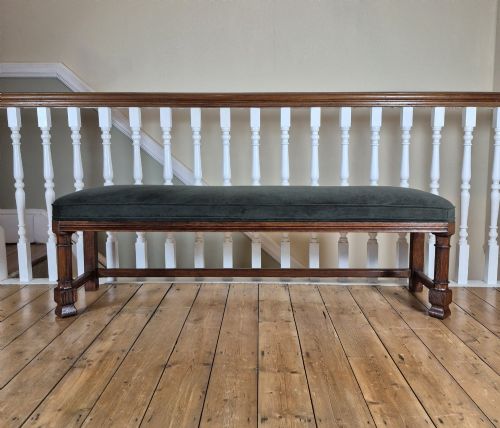
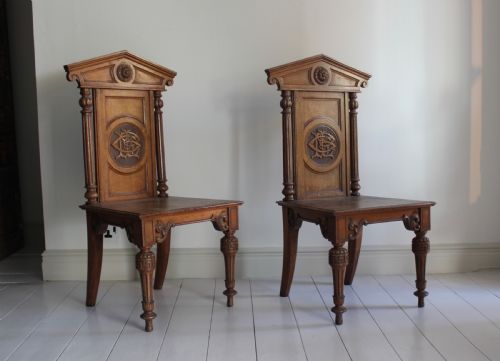
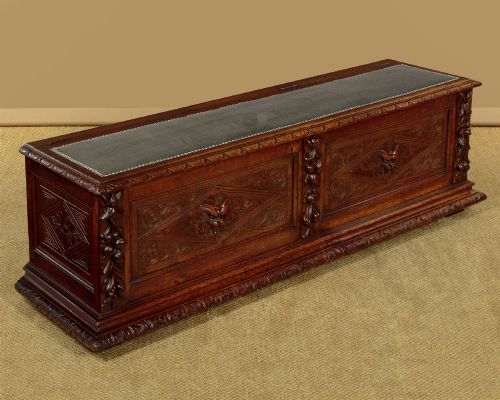
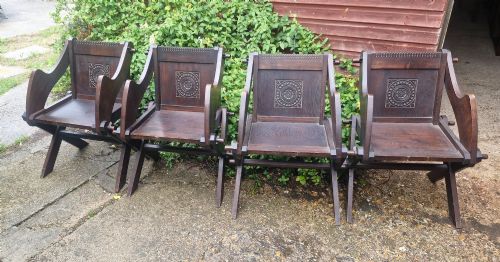
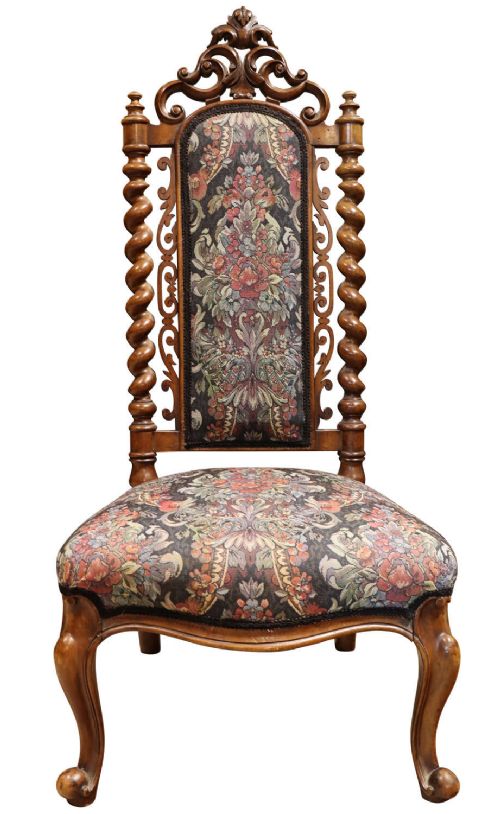
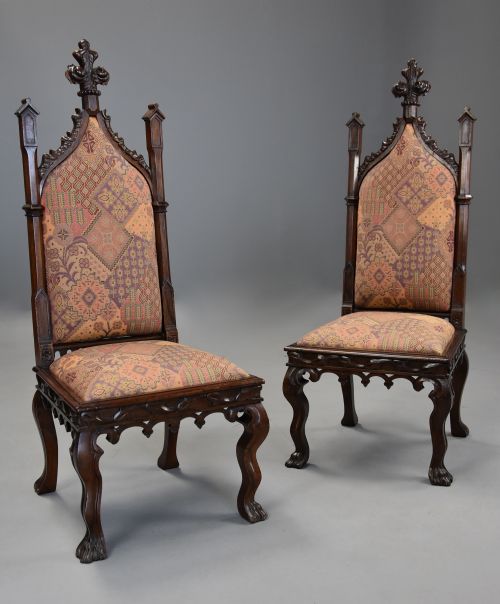
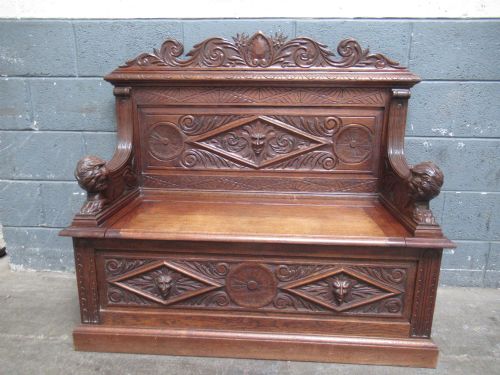
Gothic Hall Seat
A gothic hall seat brings architectural presence and heavy timber construction into an entranceway, offering a functional bench rooted in revival design.
Gothic Hall Seat
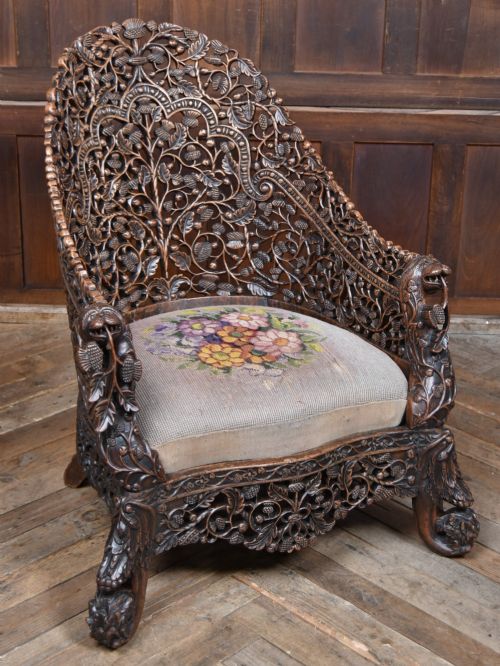
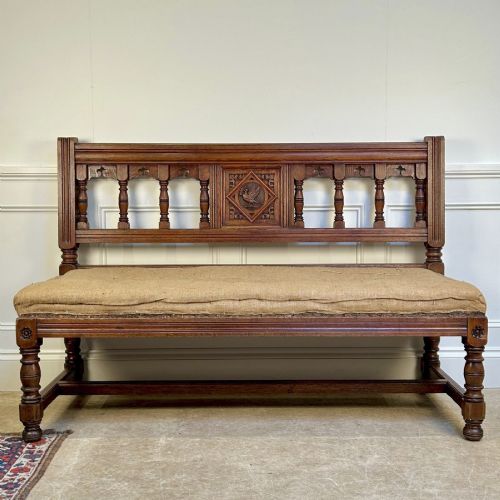
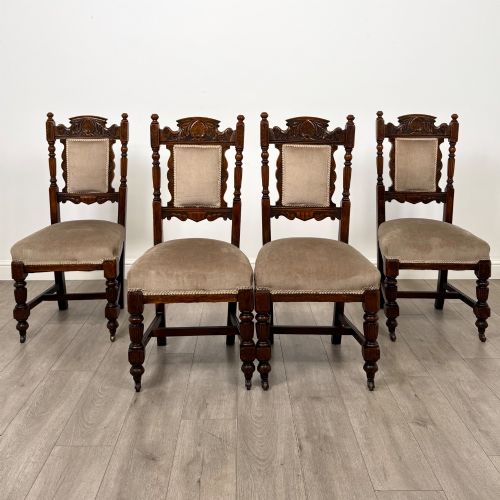
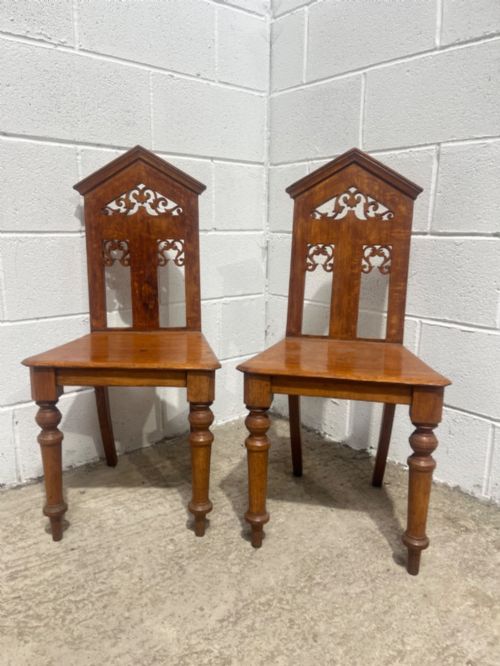
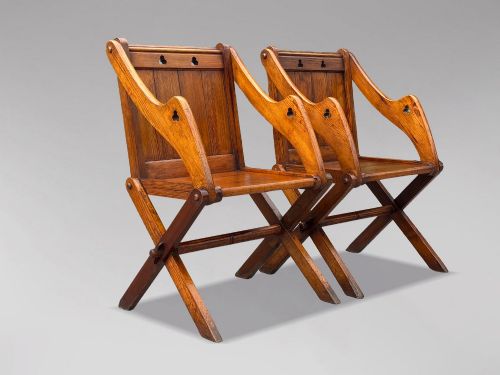
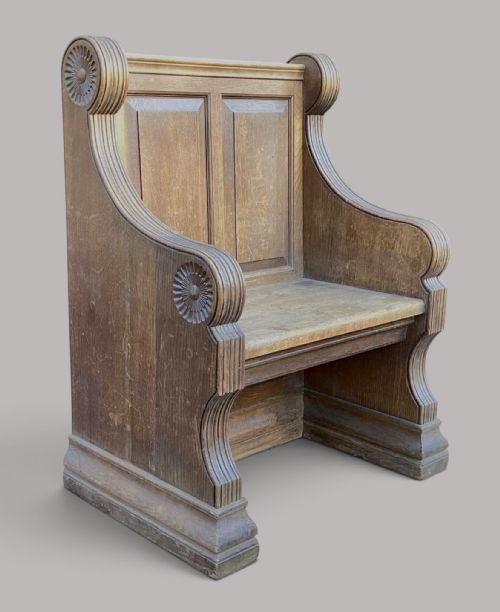
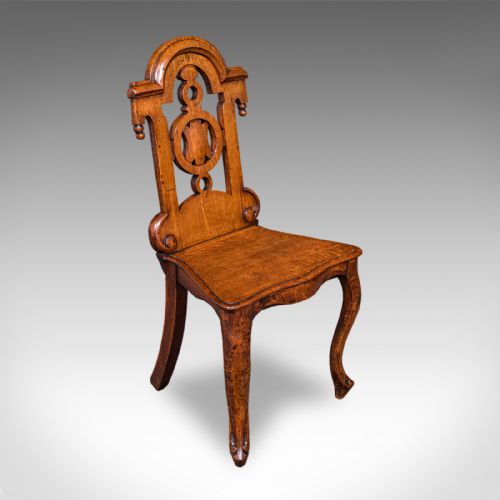
A gothic hall seat provides heavy timber seating for an entranceway, vestibule or hallway, taking the form of a bench, settle or high-backed chair. These pieces draw directly on medieval and ecclesiastical architecture, incorporating vertical lines and solid proportions suited to transitional spaces.
Most examples found in this selection date from the nineteenth century, spanning the Victorian period and the Arts and Crafts movement. Makers utilised domestic and imported timbers to construct benches, pews and settles featuring architectural panels and formal seating arrangements.
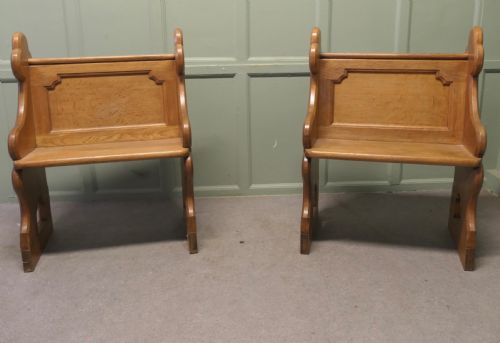
The aesthetic leans heavily on Gothic Revival, Victorian Gothic and Jacobean Revival styles. Pieces range from simple church pews and pine organist benches to elaborately carved oak settles with lift-up storage compartments and upholstered elements.
Materials and Construction
Solid oak dominates the construction of these seats, complemented by alternative timbers such as walnut, mahogany, rosewood, pitch pine and scrub oak. Workshops employed traditional joinery techniques, utilising pegged mortise and tenon joints to ensure structural rigidity in heavy pieces of furniture.
Carving defines the surface treatment, with artisans executing trefoil details, architectural tracery, heraldic shields and figurative elements like the Green Man directly into the timber. Upholstered variants integrate leather, fabric, tapestry and textile inserts fixed with brass detailing.
Several seats bear silent witness to their past lives, carrying original library tags and even the carved stone dust of St Paul's Cathedral.
Distinctions in Quality and Execution
Depth of carving and clarity of architectural detail separate standard utilitarian seating from superior commissions. Pieces originating from known cabinet makers or specific ecclesiastical contexts display sharper execution in tracery, trefoils and linenfold panels.
The choice of primary timber and the integrity of the structural frame determine the longevity of the seat. Superior examples maintain original finish and patination on heavy hardwoods like oak, avoiding excessive replacement of boards or structural supports.
Gillows·W A Willcocks
The Gothic Hall Seat Glossary
- Gothic Revival
- An architectural and decorative style drawing inspiration from medieval design. It manifests in pointed arches, trefoils and heavy timber construction.
- Settle
- A wooden bench with a high solid back, carved arms and often a storage compartment beneath the seat. This form protected inhabitants from draughts in large halls.
- Trefoil
- A graphic ornamentation consisting of three overlapping rings or lobes. It appears frequently punched into the backs of hall chairs and bench supports.
- Pew
- A long wooden bench historically found in churches and chapels. Sturdy pine and oak variants served domestic entranceways and hallways.
- Tracery
- Openwork ornamentation in stone or wood resembling branching lines. Cabinet makers translated this architectural element into chair backs and screen panels.
Gothic Hall Seat: Frequently Asked Questions
Where were gothic hall seats placed?
These pieces sat primarily in the entrance halls, vestibules and corridors of large nineteenth-century homes and ecclesiastical buildings. They provided a formal place for visitors to wait.
The substantial timber construction and high backs helped block cold draughts near exterior doors while establishing an imposing decorative tone upon entry.
How do I date a gothic hall seat?
Dating relies on identifying the prevailing revival style, timber choice and construction methods used in the frame. Nineteenth-century Victorian pieces often feature heavy machine-sawn elements alongside hand carving.
Arts and Crafts examples from the later period tend to display simpler, honest construction methods that highlight the natural grain of the oak rather than complex ecclesiastical ornamentation.
What is the difference between a settle and a bench?
A settle incorporates a high solid wooden back and enclosed sides designed to shield the sitter from cold air currents. These often feature hinged seats revealing storage boxes beneath.
Standard benches and pews lack the high enclosed sides and backboards, presenting an open architectural frame supported by legs or solid ends.
Can these seats be used in modern hallways?
Solid timber construction makes these pieces robust enough for daily use in contemporary entrances and living spaces. The heavy frames require adequate floor space to balance their visual weight.
Many examples include lift-up lids or under-seat storage, offering practical utility for boots and household items while maintaining a strong historical aesthetic.