

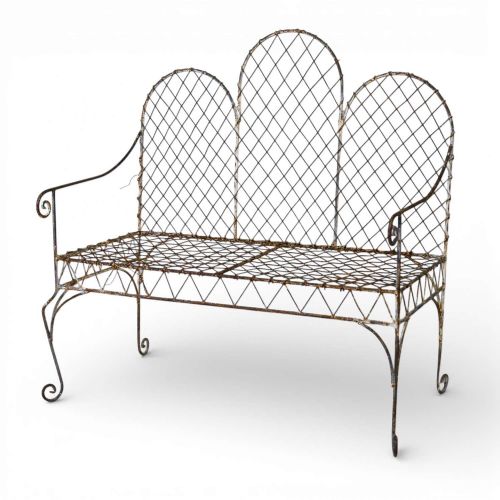


Gothic Garden Furniture
These heavy cast iron and metal gothic garden furniture pieces bring architectural punch and enduring metalwork to outdoor seating.
Gothic Garden Furniture
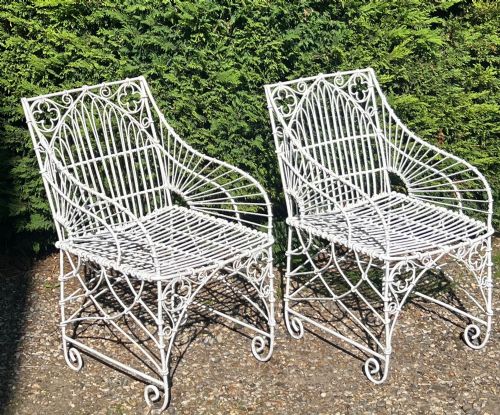
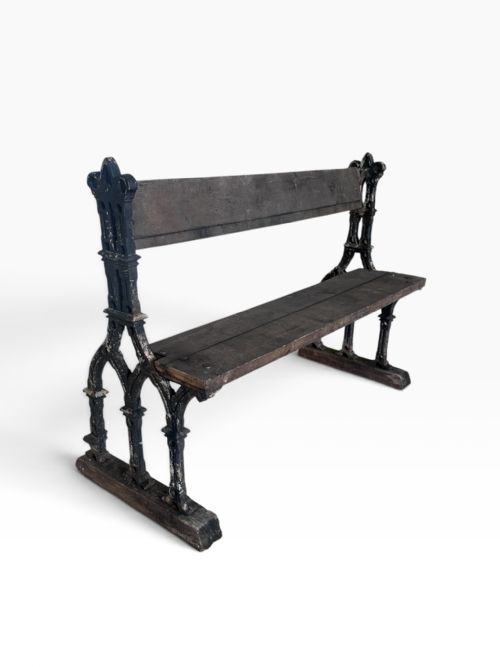
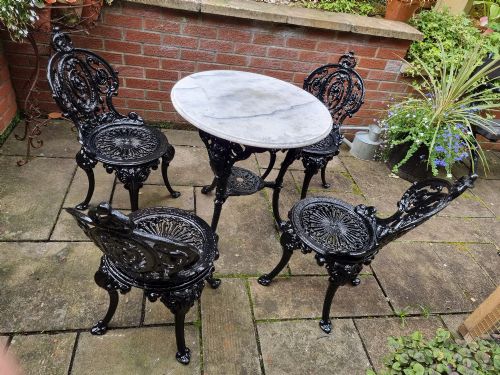
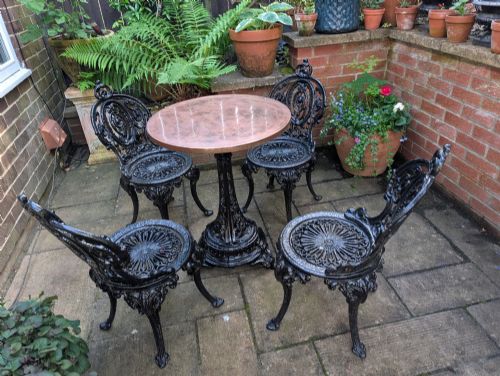
Gothic garden furniture comprises heavy metal benches, chairs, tables, and matching dining sets designed with pointed arch motifs, tracery, and structural metalwork. When buyers search for gothic garden furniture, they typically find Victorian and nineteenth-century pieces constructed from robust metals meant to withstand the elements.
The selections on this page lean heavily towards Victorian Gothic cast iron benches and chairs, alongside French gothic-influenced metal settings and oak orangery seats. These utilitarian yet ornate forms turn simple lawns and patios into architectural extensions of the house.
Most examples hail from the nineteenth century, including specific periods like eighteen-fifty and eighteen-eighty, showcasing the enduring popularity of revival styles in outdoor spaces.
How they were made
Makers utilised heavy cast iron and wrought iron, pouring molten metal into intricate moulds to achieve the sharp pointed arches and strap work typical of the gothic style. Some variants combine this robust metalwork with wooden elements such as oak for sheltered garden rooms and orangery settings.
Paint finishes were routinely applied to protect the ironwork from rust, while materials like granite, marble, copper, steel, and wirework occasionally appeared in complementary tables and structural details.
Gothic Garden Furniture Retail Price Guide 2026
Typical asking prices for gothic garden furniture among the pieces listed under this phrase on Sellingantiques today, from the lower quarter to the upper quarter. They describe what is for sale here now, not the wider market.
Even iron garden furniture occasionally needed an indoor winter retreat inside the nineteenth-century orangery.
What varies in quality
Quality in these pieces rests upon the crispness of the casting and the weight of the metal used in the frames. Heavier sets with deep relief work and sharper architectural detailing represent superior craftsmanship compared to simpler, flatter iterations.
Design ambition also divides the range, with elaborate Val d'Osne gothic designs or named foundry pieces offering greater artistic merit than standard utilitarian seating.
Val D'osne
The Gothic Garden Furniture Glossary
- Cast iron
- Molten iron poured into a mould to create rigid, highly detailed components. This technique allows for complex gothic tracery and heavy structural forms.
- Gothic Revival
- An architectural and decorative style drawing on medieval forms, featuring pointed arches and quatrefoils. It heavily influenced nineteenth-century garden seats and benches.
- Strap work
- Flat, interlaced bands of metal resembling leather straps. It provides geometric rigidity and decorative surface pattern on iron garden furniture.
- Orangery bench
- A seat specifically designed for placement inside a glazed garden structure or orangery. These often utilise timber such as oak rather than exterior iron.
- Wirework
- Metal rods and wire bent and welded into open-patterned tables and chairs. It creates a lighter, permeable alternative to solid cast iron sets.
Gothic Garden Furniture: Frequently Asked Questions
Are these pieces suitable for outdoor use?
Most of these items are built from heavy cast iron or treated metal designed to withstand exterior garden conditions. They require periodic painting to maintain the protective barrier against weathering.
Lighter wirework or wooden variants like oak orangery benches perform better in sheltered spots or enclosed garden rooms rather than exposed lawns.
How do I date a cast iron bench?
Dating relies on stylistic clues, foundry marks, and the manufacturing technique visible in the ironwork. Nineteenth-century pieces often display distinct gothic revival motifs and heavier casting profiles.
Later twentieth-century reproductions tend to have softer detail in the cast relief and lighter overall weights compared to their Victorian predecessors.
Do matching tables and chairs survive together?
Complete sets of tables and four matching chairs do survive from the nineteenth and early twentieth centuries, though many garden chairs and benches are found individually. Heavy cast-iron sets were produced as unified dining arrangements for grand lawns.
When a matched table and chairs are found intact, they represent a more complete example of period outdoor entertaining.