



Gothic Fireplace Grate
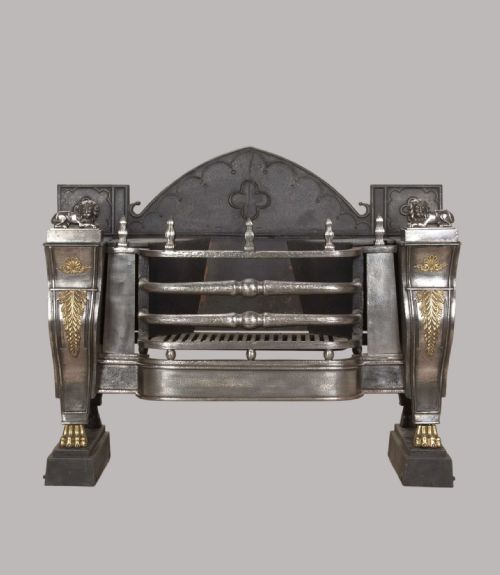
A gothic fireplace grate brings a dramatic medieval silhouette to a hearth, combining sturdy ironwork with pointed arches and architectural detail.
Gothic Fireplace Grate
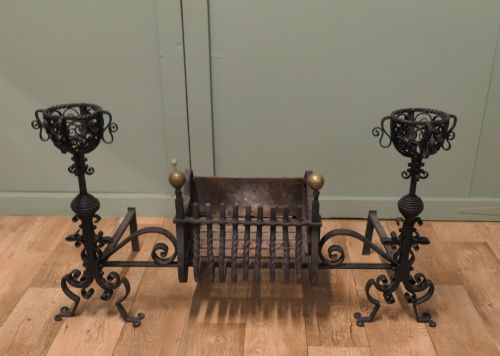
When you search for a gothic fireplace grate, you encounter robust iron hearth furniture designed to hold wood or coal fires within traditional chimney openings. These pieces range from compact basket forms to large inglenook assemblies paired with matching andirons.
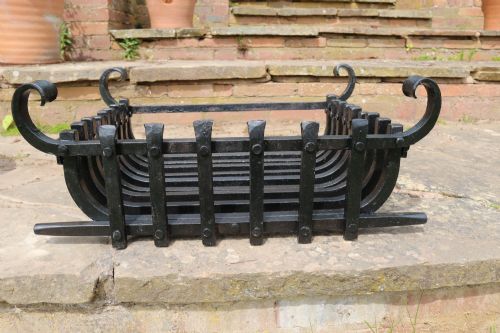
The selections available span periods from the Georgian and Victorian eras into the twentieth century, incorporating styles such as Gothic Revival and Arts and Crafts. You will find items described variously as fire baskets, log baskets, and open fire grates alongside complete fireplace sets.
Materials and construction
The pieces rely heavily on cast iron for structural bodies and firebrick linings that retain heat efficiently within the hearth. Wrought iron provides the flexibility needed to forge decorative elements, fire baskets, and accompanying andirons.
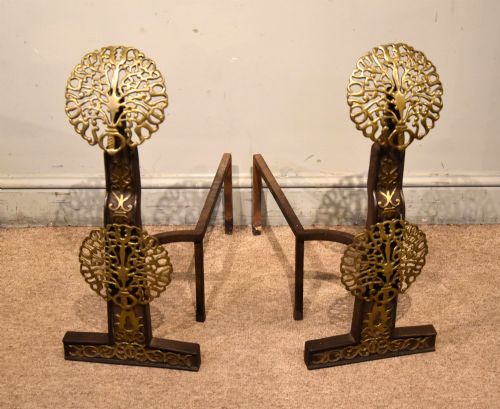
Makers integrated brass highlights on select examples to contrast with the dark iron surfaces. Construction techniques combine heavy casting with hand-forging, resulting in durable assemblies capable of withstanding high temperatures.
Gothic Fireplace Grate Retail Price Guide 2026
Typical asking prices for gothic fireplace grate among the pieces listed under this phrase on Sellingantiques today, from the lower quarter to the upper quarter. They describe what is for sale here now, not the wider market.
Some heavy iron fire baskets come with dragon motifs, guarding the hearth against mythical drafts.
Evaluating quality and design
Quality shows in the weight and substance of the metalwork, distinguishing solid cast and forged structures from lighter alternatives. Superior examples display crisp architectural detailing in their gothic motifs and careful proportioning in their fire baskets.
The integration of matched andirons or complete fireplace sets elevates certain pieces above standalone grates. Craftsmanship is evident in the finish of the ironwork and the integrity of the firebrick and internal components.
The Gothic Fireplace Grate Glossary
- Fire grate
- A metal basket or framework designed to hold burning fuel safely off the hearth floor. It allows air to circulate underneath for better combustion.
- Andirons
- Supporting metal fire dogs placed on either side of a hearth to hold logs above the base. They frequently accompany larger grates in inglenook settings.
- Firebrick
- A block of refractory ceramic material used to line the firebox and reflect heat back into the room. It protects the surrounding iron structure from extreme temperatures.
- Inglenook
- A large recessed space around a fireplace designed to sit within the main wall of a room. Grates built for these spaces are typically substantial and deep.
Gothic Fireplace Grate: Frequently Asked Questions
What is a gothic fireplace grate?
A gothic fireplace grate is a metal hearth fitting designed to burn wood or coal while displaying medieval architectural motifs like pointed arches.
These pieces function as structural fire baskets, often combining cast iron bodies with wrought iron details to suit traditional fireplace openings.
How do I choose the right size?
Measure the width, depth, and height of your fireplace opening carefully before selecting a grate. Consider whether you need a standalone basket or a larger set that includes andirons for an inglenook.
Ensure there is adequate clearance around the metalwork for safety and proper airflow within the chimney.
Can I burn real wood in these grates?
Many of these grates are built from heavy cast and wrought iron to hold burning logs or coal. You should inspect the condition of the iron and any firebrick linings before lighting a fire.
Traditional open hearth grates require proper chimney maintenance and a suitable hearth base for safe operation.
How do I date an antique grate?
Dating relies on stylistic clues, such as the heavier ornamentation of Victorian Gothic Revival pieces versus the cleaner lines of later Arts and Crafts examples. Material use, construction marks, and overall design proportions also help place an item within periods like the nineteenth or early twentieth century.
Comparative analysis with documented historical styles provides the most reliable guide to age.