





Gothic Ecclesiastical Sculpture
Gothic ecclesiastical sculpture brings centuries of devotional craft into domestic spaces through carved timber, stone, and pigment.
Gothic Ecclesiastical Sculpture
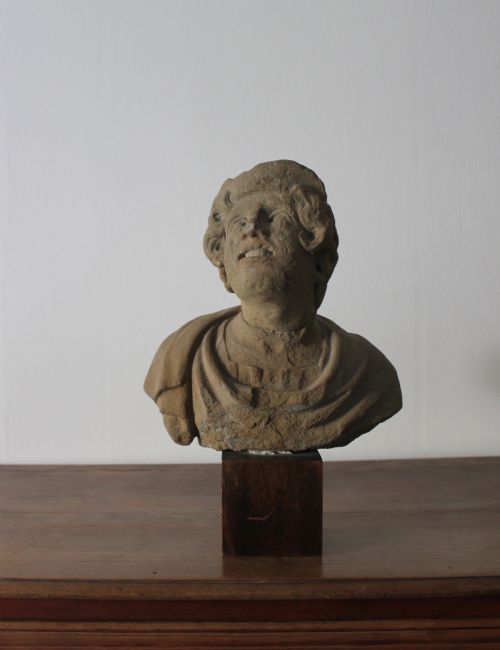
Gothic ecclesiastical sculpture comprises devotional figures, architectural fragments, and altarpiece panels originating from churches, chapels, and monastic foundations across Europe. These pieces range from medieval stone busts and early oak saints to later revival works produced during the nineteenth century.
Buyers encounter subjects such as the Madonna and child, individual apostles, weeping angels, and narrative reliefs depicting biblical scenes. Oak dominates the material record, supplemented by limewood, walnut, pine, and carved stone.
The selection spans pre-sixteenth century medieval pieces, sixteenth-century Renaissance carvings, and later nineteenth-century Gothic revival interpretations. Forms vary from small wall sculptures and architectural fragments to substantial freestanding statues and altarpiece groups.
Materials and Techniques
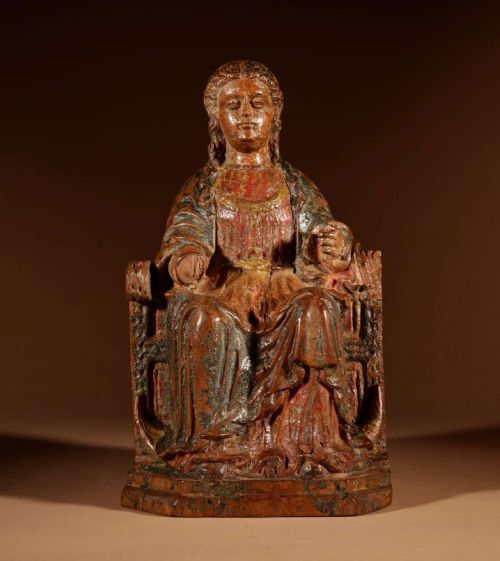
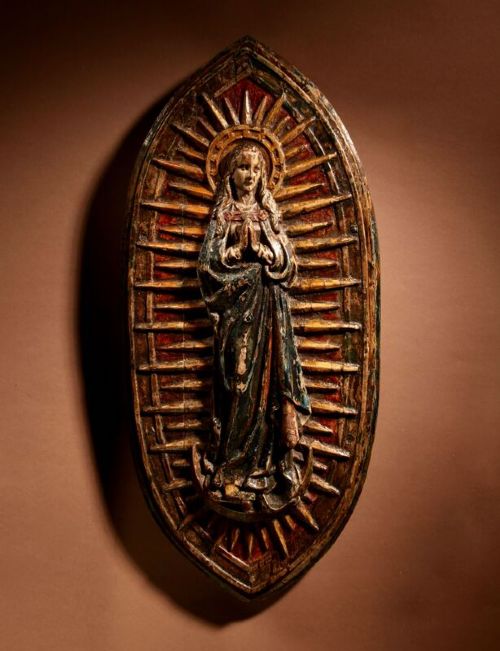
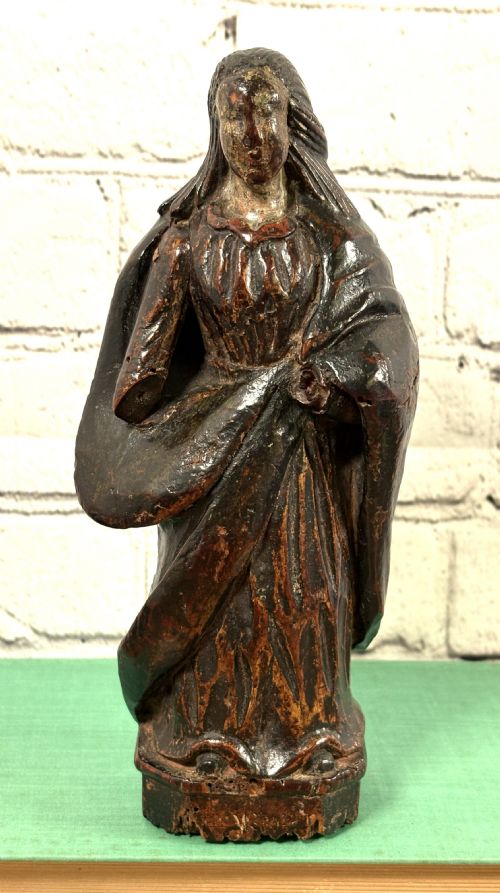
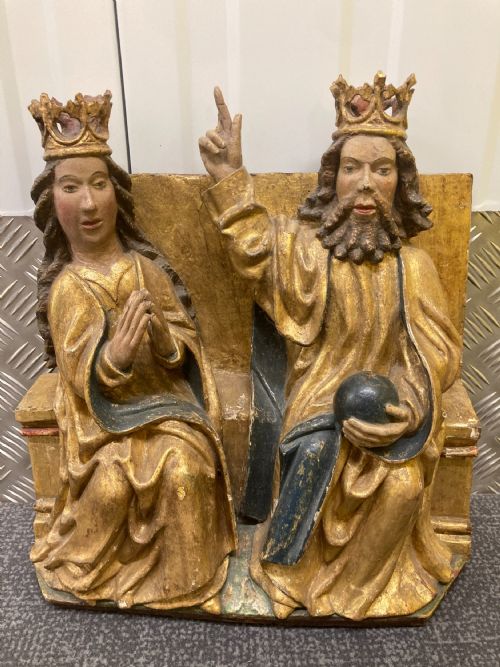
Many wooden surfaces received layers of gesso before painters applied polychrome pigments and gold leaf to heighten realism and devotional impact. Over centuries, these decorative layers have often worn down to reveal the bare grain beneath, altering the visual texture of the carving.
St. John the Baptist appears frequently alongside a thoughtful lamb, keeping quiet company with bishops and angels.
Assessing Quality and Execution
Quality rests upon the sculptural confidence of the carving, visible in the handling of anatomical proportions, facial expression, and the natural fall of cloth. Master carvers achieved depth and movement that lesser workshops missed, even within standard devotional subjects.
The preservation of original surface treatments, including traces of early polychrome paint and gesso, distinguishes superior survivals. Later interventions or replacement limbs alter the integrity of a piece, separating primary historical examples from heavily restored or later revival items.
Rouillard Angers
The Gothic Ecclesiastical Sculpture Glossary
- Polychrome
- Painted in several colours. This term describes wooden or stone sculptures finished with pigments to depict life-like skin tones and patterned garments.
- Gesso
- A plaster mixture used as a smooth base. Artisans applied it to wood before adding paint or gold leaf.
- Altarpiece
- A structured artwork positioned behind an altar. Central panels from these large devotional screens often survive as independent wall sculptures.
- Architectural Fragment
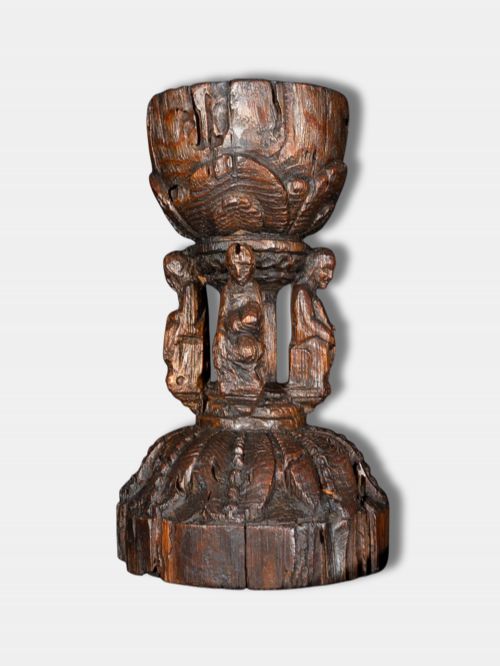
- A surviving portion of a larger building or stone fitting. These pieces preserve carved details removed during restructuring or demolition.
- Pieta
- A representation of the Virgin Mary holding the dead Christ. This subject recurs frequently in medieval wood carvings.
Gothic Ecclesiastical Sculpture: Frequently Asked Questions
How were these sculptures originally displayed?
Ecclesiastical figures originally stood within churches, mounted on altarpieces, or integrated into architectural stonework. They served as focal points for prayer and instruction within religious spaces.
Over time, many were removed from their original settings and entered private collections. Today, collectors display them on brackets, mantels, or dedicated stands within domestic interiors.
How do I distinguish medieval work from nineteenth-century revivals?
Medieval and sixteenth-century pieces display tool marks, timber shrinkage, and wear patterns consistent with centuries of age. The carving style tends to reflect the Gothic or Renaissance aesthetic of its specific region.
Nineteenth-century Gothic revival pieces often utilise similar woods and subjects but display different patination and tool technology. Examining the construction joints and ground layers helps clarify the actual period of production.
Why are so many pieces described as fragments?
Many ecclesiastical sculptures formed parts of larger altarpieces, tombs, or architectural screens that were dismantled over centuries. When these larger structures were broken up, individual figures or panels were removed.
These fragments survived independently and now circulate as portable works of art. They offer intimate access to medieval and Renaissance carving techniques on a smaller scale.