




Gothic Dark Wood Table
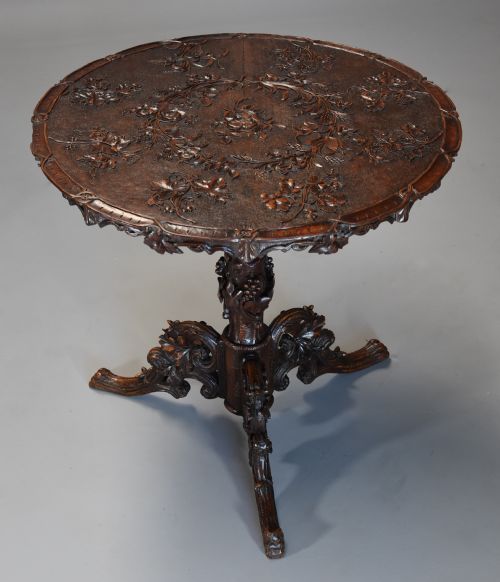
A gothic dark wood table brings historic architectural presence into a room through deep carved detail and dark timber tones.
Gothic Dark Wood Table
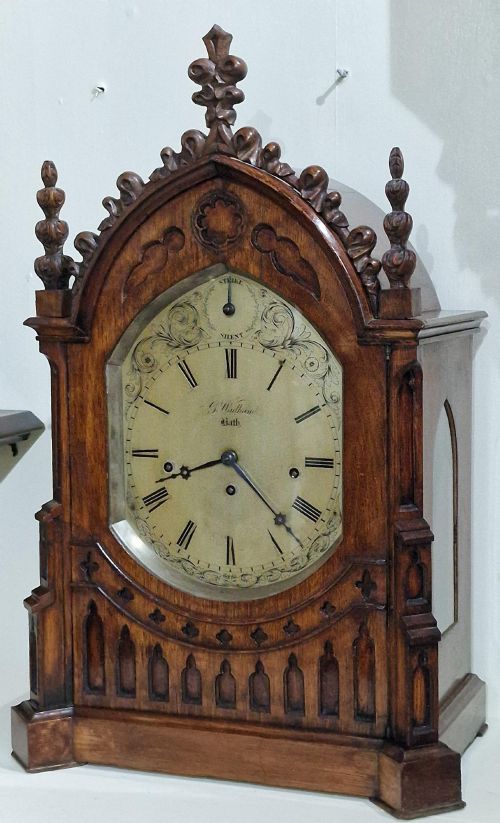
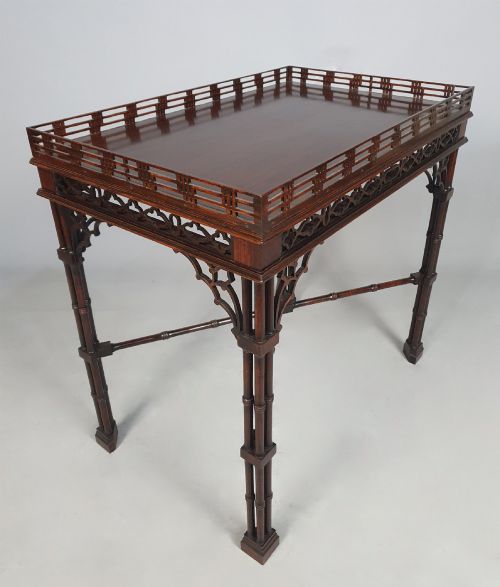
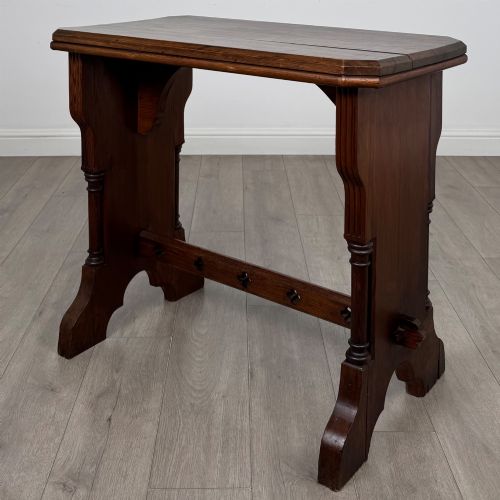
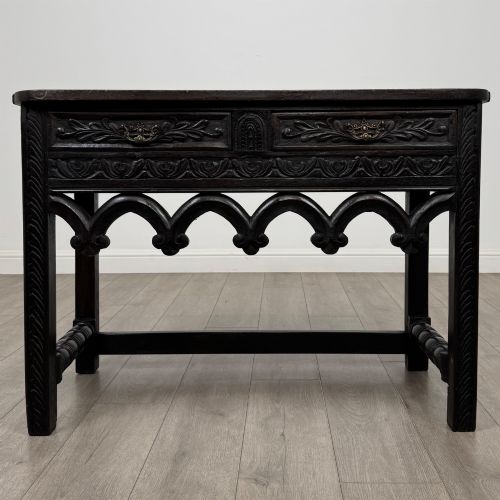
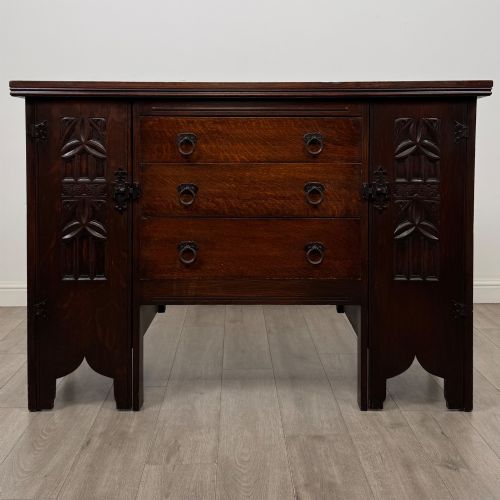
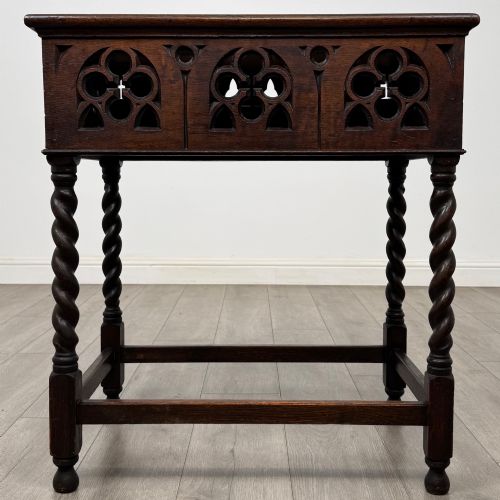
A gothic dark wood table encompasses various functional forms designed with medieval architectural motifs, appearing most frequently as side tables, centre tables, and writing desks from the nineteenth century. These pieces draw upon Victorian Gothic Revival and Arts and Crafts movements, translating heavy stone cathedral ornaments into domestic timber furniture.
Originating largely across the nineteenth and early twentieth centuries, these tables reflect a sustained Victorian fascination with medieval design principles. The survival of these pieces demonstrates the enduring appeal of dark timber furniture with structural pointed arches and tracery.
Materials and technique
Makers relied primarily on dense timbers such as oak, mahogany, and walnut, selecting them for their strength and capacity to hold crisp, deep incisions. Pitch pine and linden wood also appear, providing alternative surfaces for elaborate chip carving and sculptural relief.
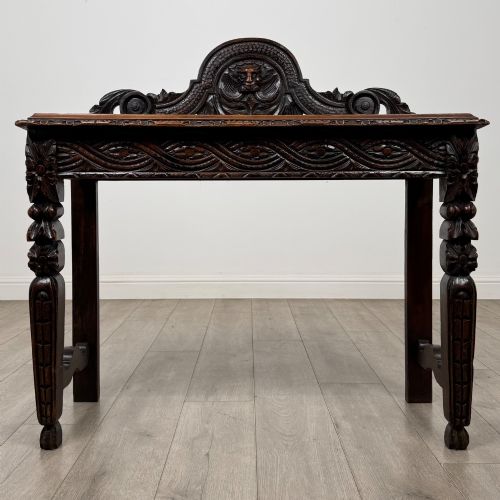
Construction techniques combine traditional joinery with heavy manual carving, utilising chisel and gouge to produce motifs like quatrefoils, pointed arches, and green men. Surfaces are often finished to emphasise the dark grain of the wood, sometimes paired with brass mounts or glass elements.
The execution of the joinery supports heavy top surfaces, whether standing on four legs or functioning as a freestanding centre table. Carpenters and carvers worked the timber to achieve both structural rigidity and elaborate decorative depth.
Carvers occasionally hid mischievous green men faces among the heavy oak foliage beneath the table top.
Judging the work
Quality rests upon the depth and crispness of the carving, distinguishing pieces with sharp, hand-chiselled tracery from softer, mechanical mouldings. The finest examples display sculptural confidence in motifs like foliage and tracery without losing structural balance.
Timber selection dictates much of the visual weight, with dense, well-figured oak or walnut providing a richer ground for carving than plain or secondary woods. The integration of the joints and the stability of the central frame determine the overall integrity of the piece.
George Wadham·Barber and North
The Gothic Dark Wood Table Glossary
- Gothic Revival
- An architectural and decorative style drawing inspiration from medieval forms, prevalent throughout the nineteenth century. This movement reintroduced pointed arches and heavy timber ornament into domestic furniture.
- Centre Table
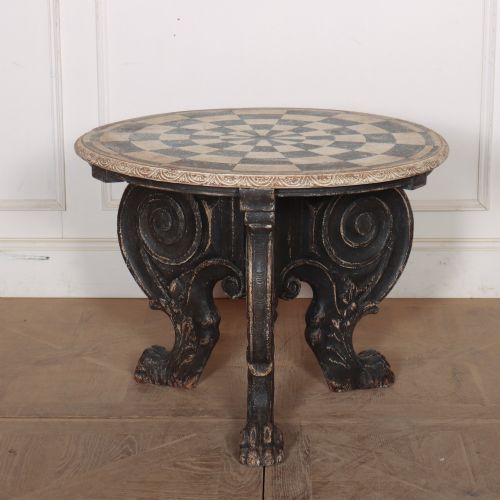
- A freestanding table designed to be viewed from all sides rather than pushed against a wall. These pieces often feature all-round carving and finished backs.
- Chip Carving
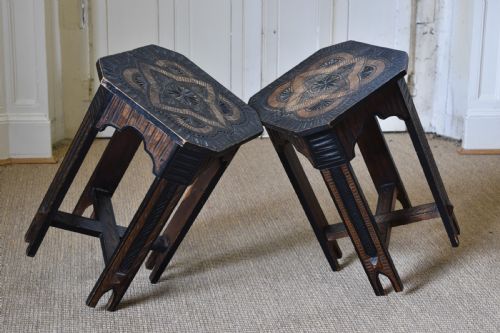
- A technique where small triangles or chips of wood are removed from a flat surface to create geometric patterns. It appears frequently on vernacular side tables and occasional pieces.
- Monastery Table
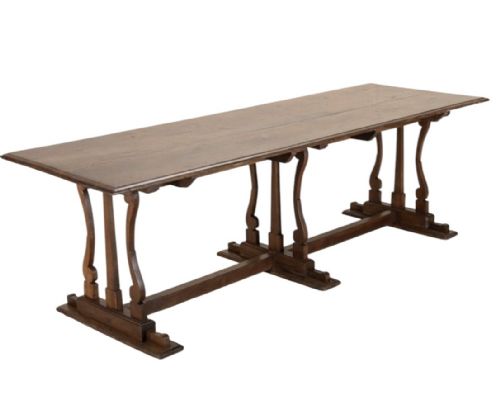
- A large, robust dining or refectory table built with substantial timber legs and stretchers. They provide heavy visual weight and typically utilise solid oak.
- Tracery
- Openwork architectural ornament, usually consisting of intersecting ribs, adapted by cabinet makers for cabinet doors and table friezes. It originates from stone window designs in medieval churches.
Gothic Dark Wood Table: Frequently Asked Questions
Where should I place a centre table?
A centre table works best when positioned away from walls where its carved frieze and freestanding design remain fully visible. They function effectively in large hallways or libraries as a central anchor for the room.
Ensure there is sufficient clearance around the piece to allow movement and to appreciate the timber grain and joinery from every angle.
How do I care for dark wood furniture?
Maintain dark timber by dusting regularly with a soft, dry cloth and avoiding placement near direct heat sources or strong sunlight. These precautions prevent the wood from drying out and splitting over time.
Periodically apply appropriate wax polish to nourish the grain and protect the carved surfaces without building up excess residue.
What is the difference between a side table and a writing table?
A side table generally provides an open surface and simple structural frame intended for display or holding objects against a wall. Writing tables incorporate functional drawers and kneehole space designed specifically for seated work.
Both forms share similar Gothic Revival detailing, but writing tables prioritise practical utility through integrated storage compartments.
How can I identify Victorian Gothic Revival furniture?
Look for structural motifs borrowed directly from medieval architecture, such as pointed arches, quatrefoils, and heavy turned legs. The presence of dense oak or walnut combined with deep relief carving typically indicates a nineteenth-century origin.
Examining the construction methods and tool marks on the underside often confirms the period manufacturing techniques.