




Gothic Church Pulpit
These gothic church pulpit pieces and related stands bring solid ecclesiastical timber and brass into domestic or public spaces with imposing presence.
Gothic Church Pulpit
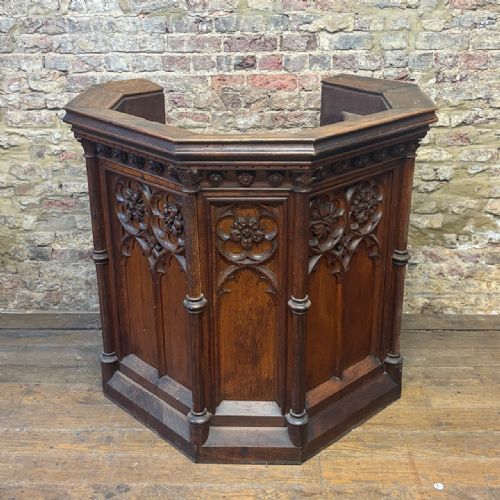
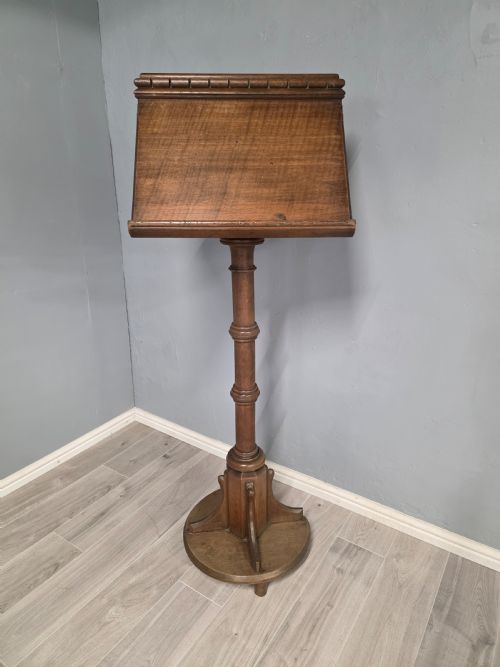
Buyers searching for a gothic church pulpit often encounter related ecclesiastical pieces such as carved oak lecterns and reading stands from the nineteenth century. These items include freestanding oak reading desks and imposing eagle lecterns originating from British churches.
The most common form on this page is the nineteenth century oak lectern, often shaped in the Victorian Gothic Revival style with carved details. Pieces span the decades from the Victorian era into the early twentieth century, including dated examples from the 1890s and 1910.
Origins range from standard Victorian Gothic church furnishings to specific pieces with Scottish ecclesiastical provenance. Alongside solid oak, variants combine oak and pine or incorporate detailed brass work.
The selection centres heavily on liturgical reading furniture rather than full architectural pulpits, providing buyers with practical reading stands that carry deep historical church provenance.
How these pieces were made
Makers relied primarily on solid oak, utilising its dense grain for heavy structural carving in the Gothic Revival style. Secondary woods like pine appear in simpler supporting frameworks alongside durable iron components.
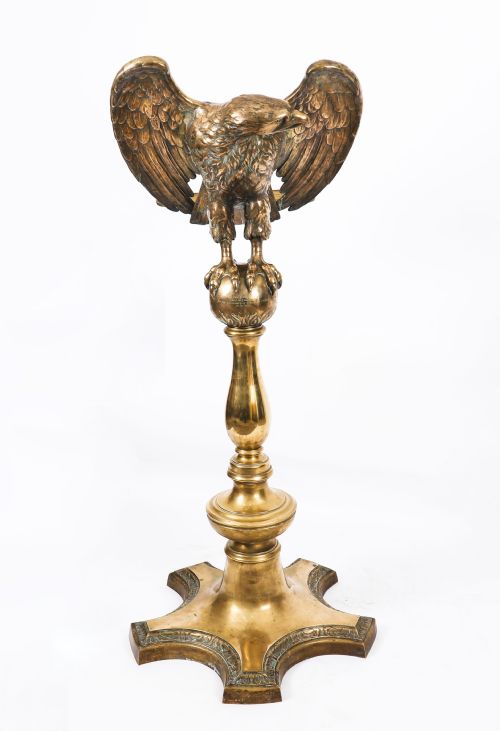
Metalwork played a key role in ecclesiastical brass eagle lecterns, cast and finished to mount securely upon timber or metal plinths. Woodworking techniques involved deep relief carving to execute the characteristic pointed arches and tracery of Victorian church design.
Gothic Church Pulpit Retail Price Guide 2026
Typical asking prices for gothic church pulpit among the pieces listed under this phrase on Sellingantiques today, from the lower quarter to the upper quarter. They describe what is for sale here now, not the wider market.
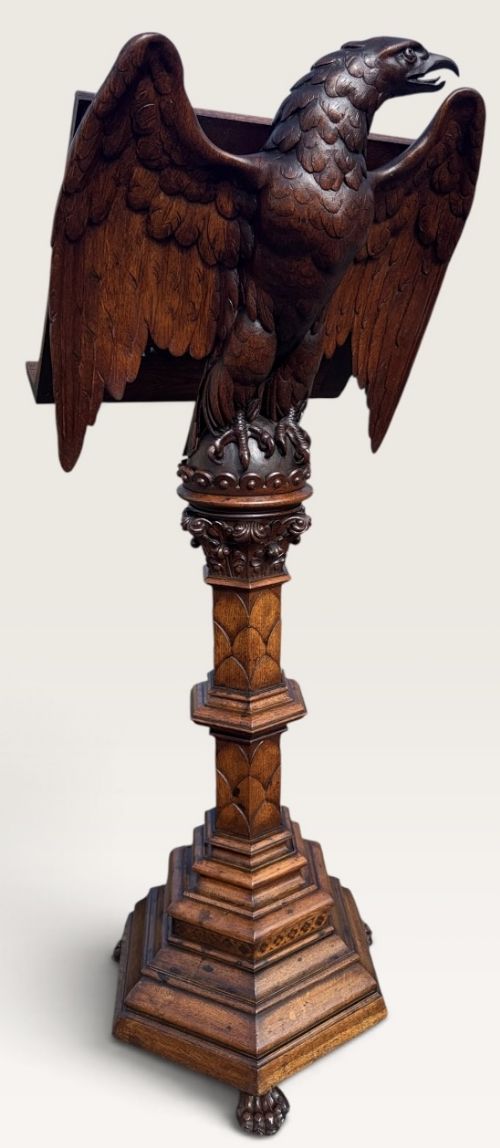
Several heavy oak lecterns feature magnificent carved wooden eagles standing ready to support the Sunday readings.
What varies in quality
The depth and sophistication of the hand carving separate standard commercial church furniture from superior sculptural works. Relief carving upon the oak structures ranges from simple chamfered edges to intricate architectural tracery and fully realised figures.
Material selection dictates the character of each piece, distinguishing utilitarian oak and pine combinations from substantial solid oak frames and cast brass assemblies. The presence of documented church provenance elevates the historical interest of individual stands.
The Gothic Church Pulpit Glossary
- Gothic Revival
- A nineteenth century architectural and design movement reviving medieval forms. It manifests in pointed arches, trefoils, and heavy timber construction.
- Lectern
- A tall freestanding desk with a sloping top designed to hold a book for reading aloud. Ecclesiastical examples frequently take the form of a carved wooden eagle.
- Ecclesiastical
- Relating to the Christian Church or its clergy. Pieces bearing this description originate directly from places of worship.
- Tracery
- Openwork ornamental stone or woodwork pattern forming decorative ribs. This feature appears carved into the panels of nineteenth century church furniture.
Gothic Church Pulpit: Frequently Asked Questions
What is an eagle lectern used for?
An eagle lectern holds the Bible or service books during Christian worship services. The outstretched wings of the brass or wooden bird provide a sloping desk surface for the reader.
Historically, the eagle represents Saint John the Evangelist and symbolises the spread of the Gospel. In domestic settings today, these large stands serve as dramatic book holders or architectural display pieces.
How do I date a Victorian church lectern?
Dating relies on examining the timber species, construction methods, and stylistic details recorded across the nineteenth century. Pieces from the 1890s often display robust Victorian Gothic Revival carving.
Later items extending into the 1910 period may show slight shifts in decorative restraint. Documented church provenance or inscribed dates provide the most reliable chronological markers.
Are these pieces made of solid oak?
Many examples utilise solid oak throughout the structural frame and reading desk. Some listings note secondary timbers such as pine used alongside the primary oak elements.
Heavier nineteenth century pieces depend entirely on dense hardwoods to support the substantial weight of carved book rests and metal mounts.
Where were these church pieces made?
These items originated in British churches and ecclesiastical workshops during the Victorian era and early twentieth century. Specific pieces carry regional provenance, including Scottish church origins.
Craftsmen working within the Gothic Revival tradition produced them specifically for liturgical use in parish churches and cathedrals.