



Gothic Carved Wood
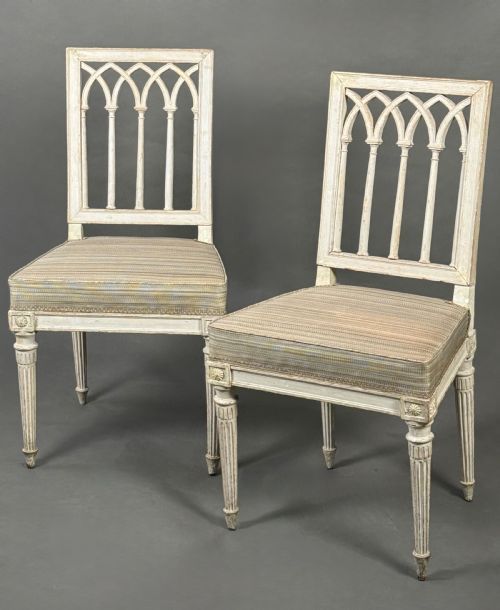
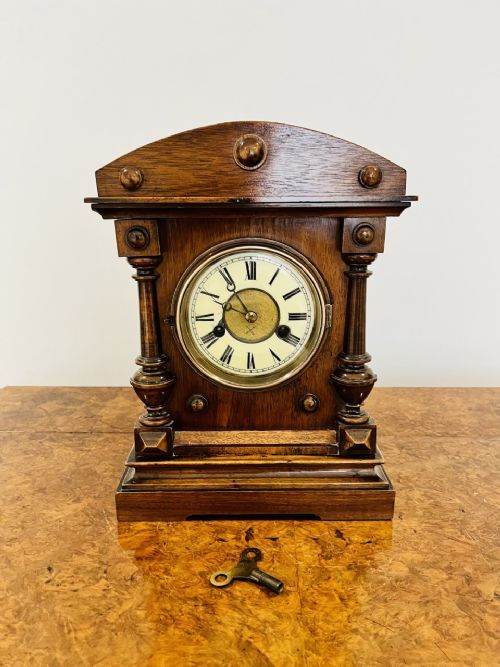
Gothic carved wood brings heavy timber, tracery and dark ecclesiastical presence straight into a room.
Gothic Carved Wood
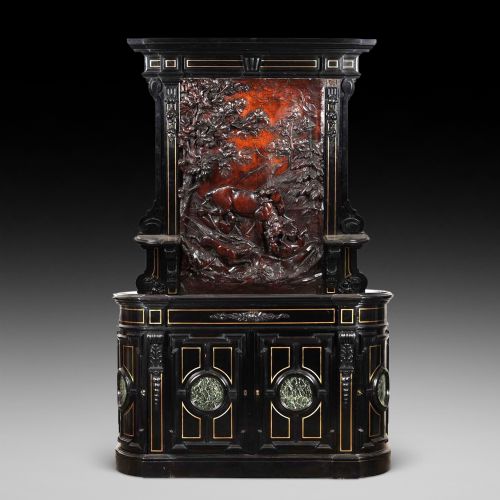
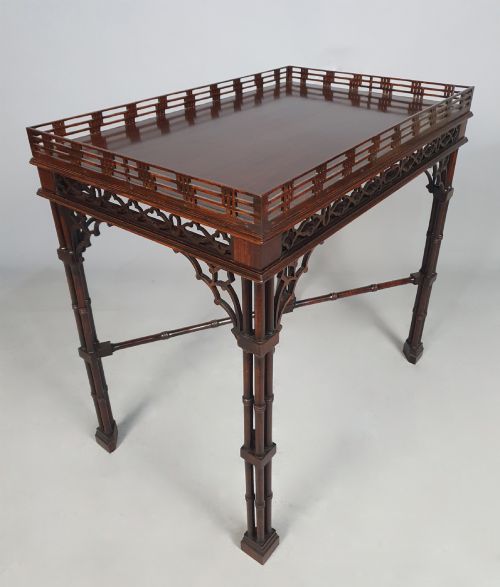
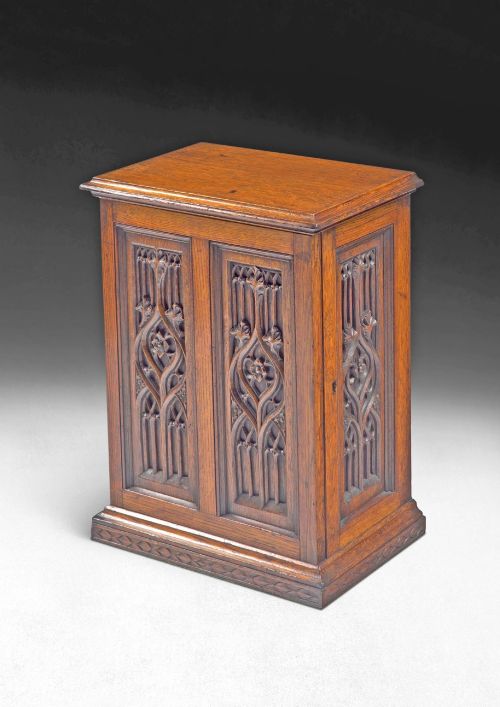
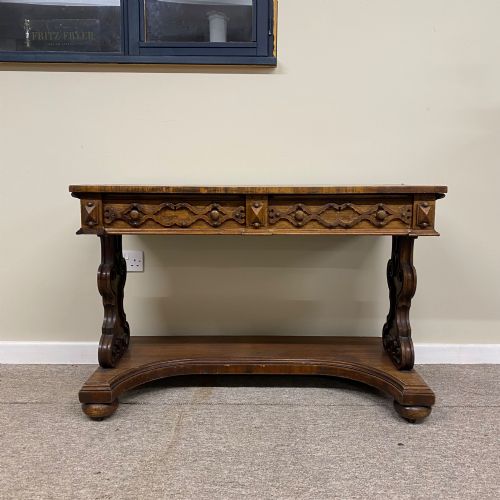
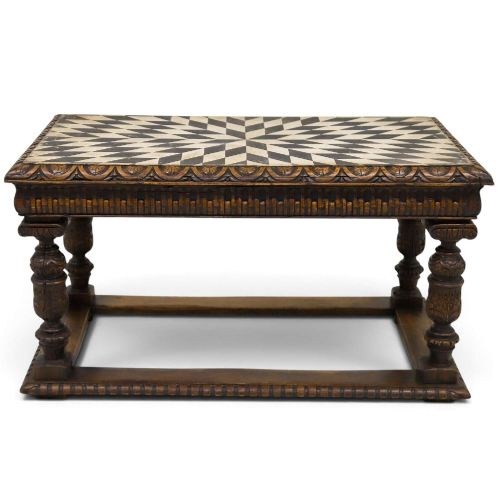
Gothic carved wood encompasses architectural fragments, wall panels, heavy seating and storage furniture spanning multiple centuries. A buyer searching for gothic carved wood encounters everything from domestic oak sideboards and coffer boxes to medieval fragments and architectural salvage.
Nineteenth-century revival pieces dominate the selections, alongside genuine sixteenth-century panels and seventeenth-century fragments. These objects serve practical domestic functions or act as decorative focal points within interiors favouring historicism.
Materials and Construction
Oak forms the primary structural and sculptural base for the majority of these pieces, complemented by walnut, elm, and bog oak. Joinery relies on traditional methods suitable for heavy timber, integrating panels and frames without modern fasteners.
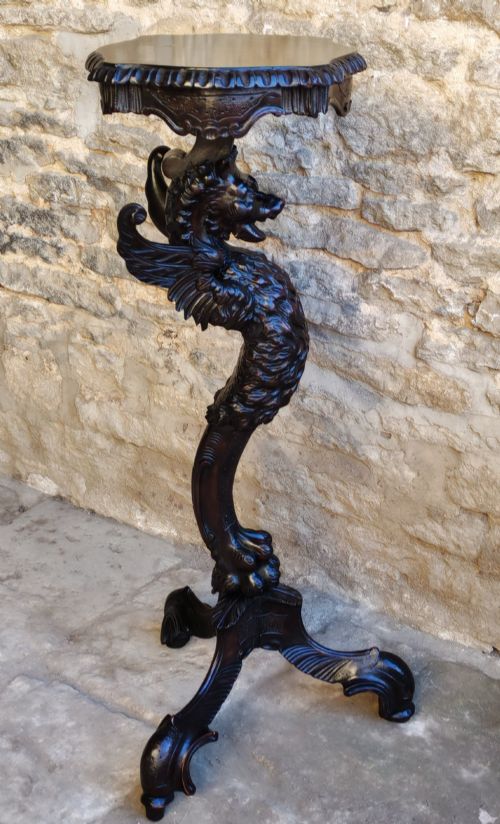
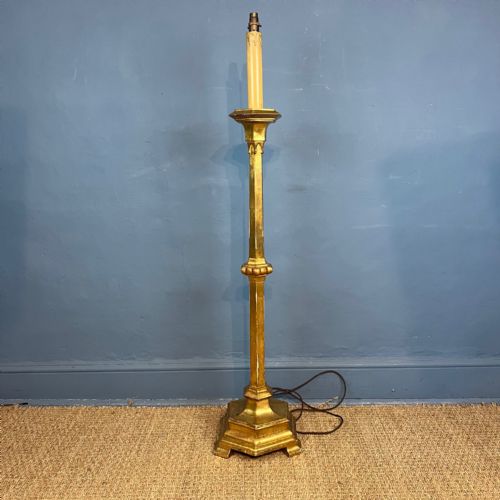
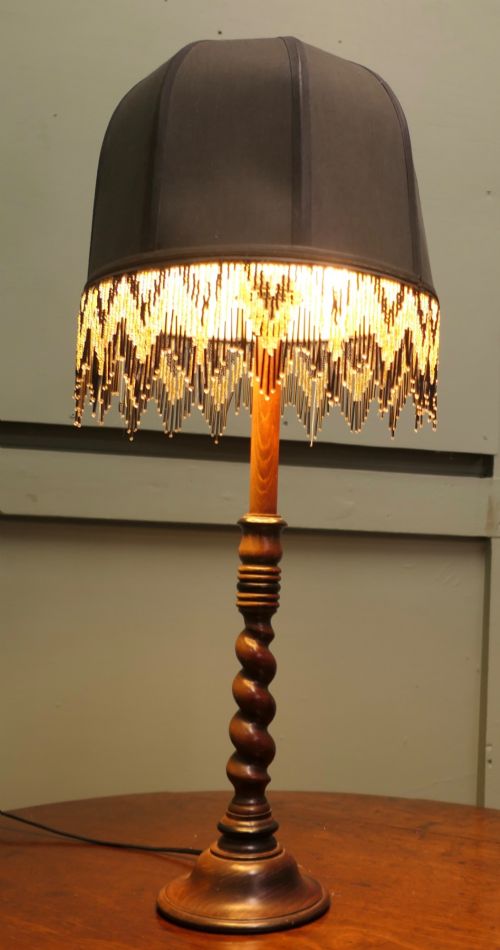
Carving techniques involve deep chisel work to render tracery, linenfold patterns, figural sculptures, and heraldic motifs. Secondary materials such as brass, iron, and glass appear in hardware, candle holders, and display cabinets.
Gothic Carved Wood Retail Price Guide 2026
Typical asking prices for gothic carved wood among the pieces listed under this phrase on Sellingantiques today, from the lower quarter to the upper quarter. They describe what is for sale here now, not the wider market.
Listings feature oak, walnut, elm, brass, and iron across periods ranging from the sixteenth century through the Edwardian era.
Judging Quality
Quality rests upon the crispness of the chisel work and the integrity of the timber used in construction. Depth of relief and proportion distinguish master carvers from commercial workshop production.
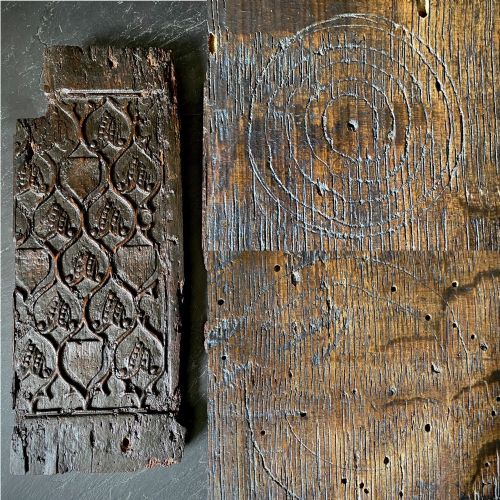
Age and untouched surfaces elevate certain forms, particularly when original patination remains intact on historic oak panels and ecclesiastical fragments.
Liberty & Co·John Moyr Smith
The Gothic Carved Wood Glossary
- Linenfold
- A style of wood panel carving resembling folded parchment or linen. It is commonly found on sixteenth-century coffers and cabinet doors.
- Tracery
- Openwork architectural ornamentation derived from Gothic stone windows. It appears frequently on wooden panels and screenwork.
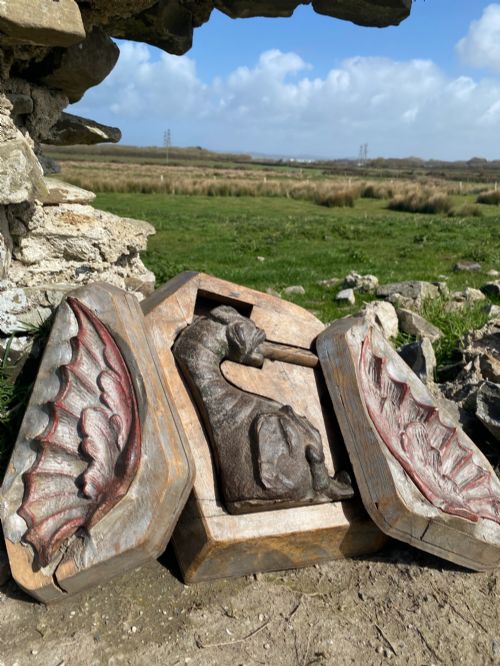
- Poppy Head
- An ornamental carved finial topping the end of a bench or pew. These often depict foliage, figures, or mythical beasts.
- Apotropaic
- Marks or carvings intended to ward off evil spirits and witchcraft. Concentric circles scratched into timber serve this protective purpose.
Gothic Carved Wood: Frequently Asked Questions
How do I identify genuine early pieces?
Examine the tool marks, timber shrinkage, and joinery methods employed in the construction. Period pieces display hand-cut pegs and irregular adze marks rather than modern machine finishing.
Patina also develops naturally over centuries through handling and wax application. Compare the wear patterns against known examples from the same era to confirm authenticity.
Where should I place a heavy oak sideboard?
Position these substantial items against load-bearing walls in dining rooms or entrance halls where the dark timber balances the scale of the space. Ensure adequate clearance away from direct heat sources to prevent wood splitting.
Pair them with simpler modern furnishings to let the historic carving stand out without overwhelming the room.
Can I hang architectural panels on a wall?
Many wall panels and architectural fragments feature integrated mounting points or possess flat backs suitable for secure wall installation. Professional fixings rated for heavy timber are essential for safety.
Consider the weight of the oak before hanging large sections above furniture.
How do I care for antique carved timber?
Dust the intricate recesses regularly with a soft brush and apply traditional beeswax sparingly to nourish the dry wood. Avoid silicon-based polishes that degrade historic finishes.
Maintain stable indoor humidity levels to protect the wood from warping or cracking over time.