




Golden Veneer Table
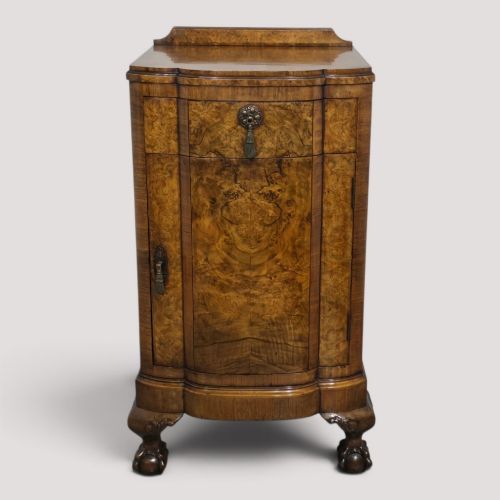
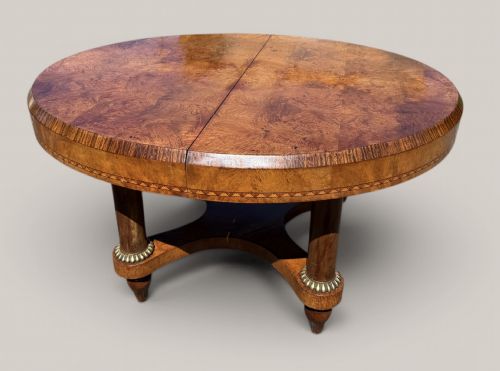
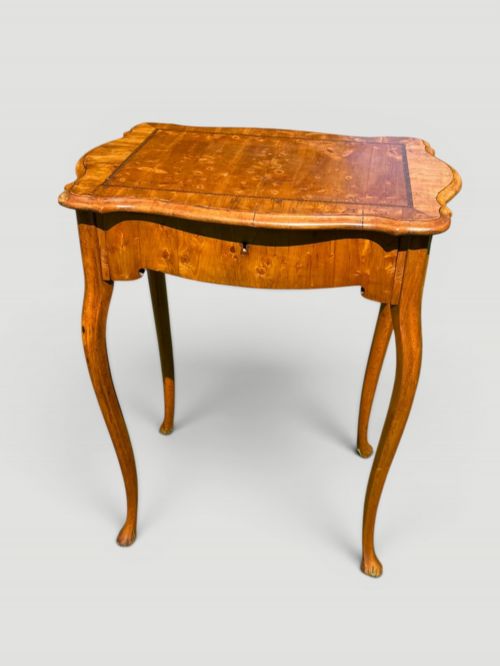
These pieces known as a golden veneer table bring rich figuring and warm tone into a room.
Golden Veneer Table
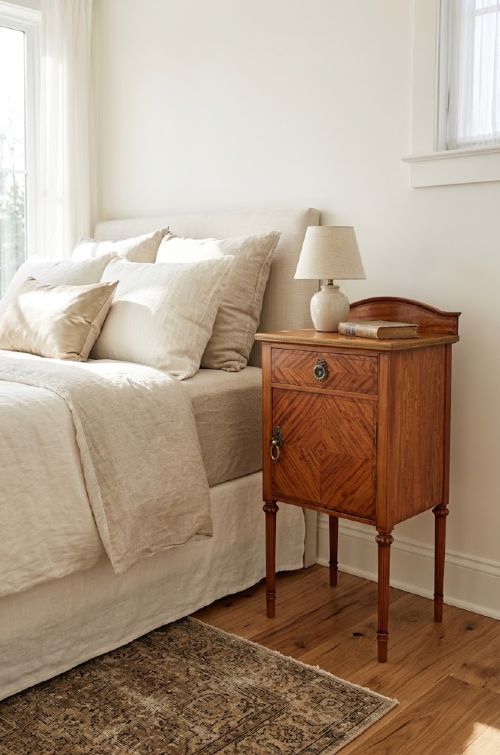
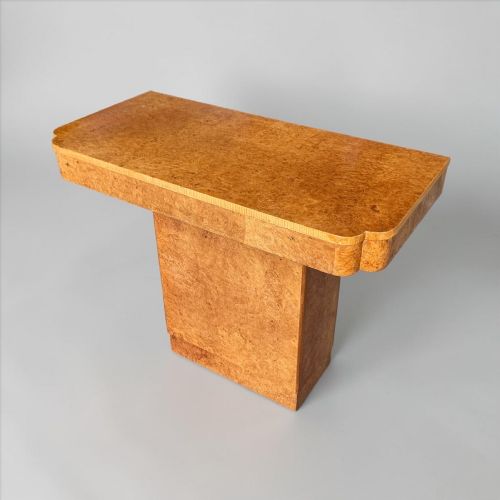
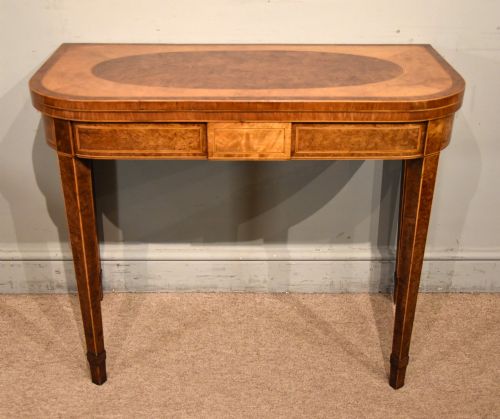
A golden veneer table draws the eye through the natural patterning of timber laid across surfaces like tops and drawers. Buyers searching for a golden veneer table encounter forms ranging from large dining tables down to small occasional tables.
The selection here spans several centuries and design movements, with Art Deco pieces sitting alongside earlier George III, Regency, and Victorian examples. Console tables, side tables, and bedside chests appear frequently across the periods listed.
Makers and workshops across Britain and Scandinavia utilised light and figured timbers to create striking visual movement. One is most likely to meet an Art Deco coffee table or a nineteenth-century occasional table finished in birch, satinwood, or burr walnut.
How they were made
Cabinetmakers applied thin sheets of decorative wood over secondary timber foundations to create complex grain patterns without warping the structure. Walnut, satinwood, and birch veneers formed the primary decorative surfaces across these examples.
Makers often arranged cut sections of burr wood to create symmetrical patterns across table tops, such as segmented designs in oak or elm. Brass mounts and subtle inlays frequently complemented the golden tones of the primary veneers.
Several tables rely entirely on knots and tree warts to trick the eye into seeing abstract art.
What varies in quality
The sophistication of the timber selection dictates much of the visual impact, particularly in how figured veneers are matched across a surface. Dense burr formations and carefully balanced grain directions elevate certain examples above plainer timber applications.
Construction methods and the integrity of the underlying joinery distinguish standard pieces from more refined cabinet work. The precision of the inlay work and the preservation of the original polished surface remain central to the character of each piece.
The Golden Veneer Table Glossary
- Veneer
- A thin layer of figured wood applied to a solid secondary base timber. This technique allows cabinetmakers to display striking grain patterns that would prove unstable if built from solid wood alone.
- Burr
- A growth on a tree resulting in swirling, knotted grain patterns prized for decorative surfaces. Burr walnut and burr birch create intense visual movement on table tops.
- Console table
- A table designed to stand against a wall, frequently topped with marble or matching wood veneer. These pieces often feature decorative legs or pedestals.
- Satinwood
- A durable hardwood yielding a lustrous, golden-yellow grain. It became particularly popular during the Edwardian period and earlier revival styles.
- Biedermeier
- A Central European style dating from the nineteenth century emphasising clean lines and warm honey-coloured veneers. Pieces from this tradition focus on the natural beauty of woods like maserbirch.
Golden Veneer Table: Frequently Asked Questions
How do I clean a veneered table?
Dust surfaces regularly with a soft, dry cloth to prevent micro-abrasions on the polished finish. Avoid using harsh chemical sprays or excessive water, which can penetrate the thin timber layer.
Maintain consistent humidity levels in the room to protect the underlying wood and prevent the veneer from lifting over time. Gentle application of specialist furniture wax preserves the warm tone of the grain.
Are these tables suitable for daily dining?
Many larger examples, including extending dining tables from the Art Deco period, function well for everyday meals when treated with care. Using heat mats and coasters protects the delicate surface polish from damage.
Smaller occasional and console tables suit lighter domestic duties such as holding lamps or decorative objects. Their decorative surfaces require more mindfulness than solid utility furniture.
How do I identify an Art Deco table?
Art Deco pieces typically feature geometric forms, streamlined silhouettes, and striking contrasts between dark and light veneers such as walnut and satinwood. They often date from the 1920s and 1930s. Nooks and simpler structural lines distinguish them from the ornate carving seen on earlier Victorian or George III furniture.
What is burr timber?
Burr timber comes from a tree deformity that produces highly intricate, swirling grain patterns filled with tiny knots. Cabinetmakers slice this wood into thin veneers for table tops to create dramatic visual depth.
Common varieties seen here include burr walnut, burr birch, and burr oak. Each piece displays a completely unique natural pattern.