





Golden Satinwood Urn Stand
These golden satinwood urn stands are decorative occasional tables and jardinières that bring bright warmth and refined neoclassical elegance to a room.
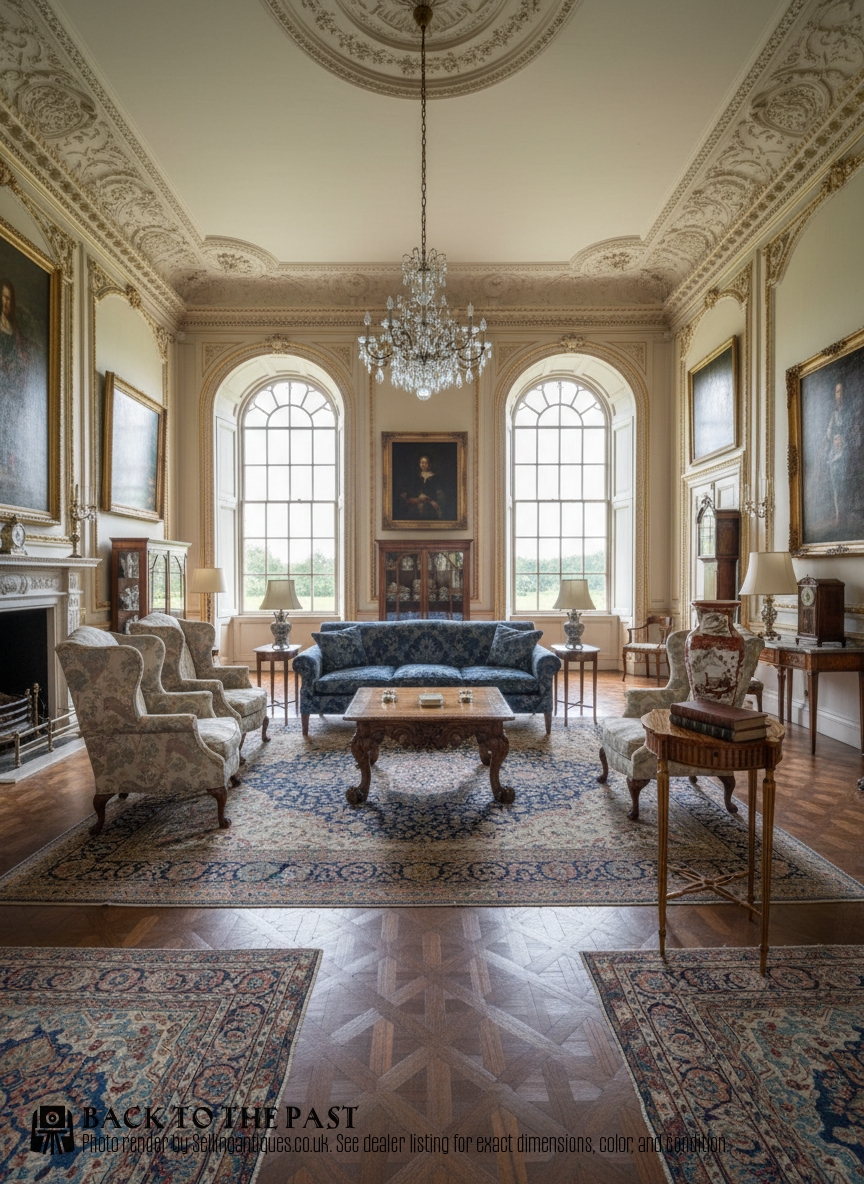
Golden Satinwood Urn Stand
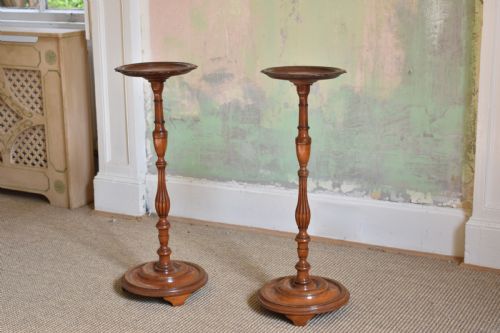
A golden satinwood urn stand is a specialised small table designed to elevate a decorative urn, vase, or jardinière, though they function equally well as candle stands or lamp tables today. The pieces seen here span from the 18th century through the Georgian Revival, Victorian, and Edwardian eras, capturing both genuine antique periods and later revivals.
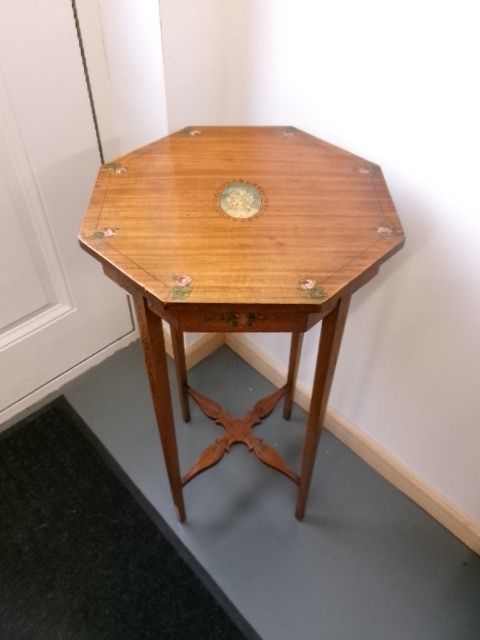
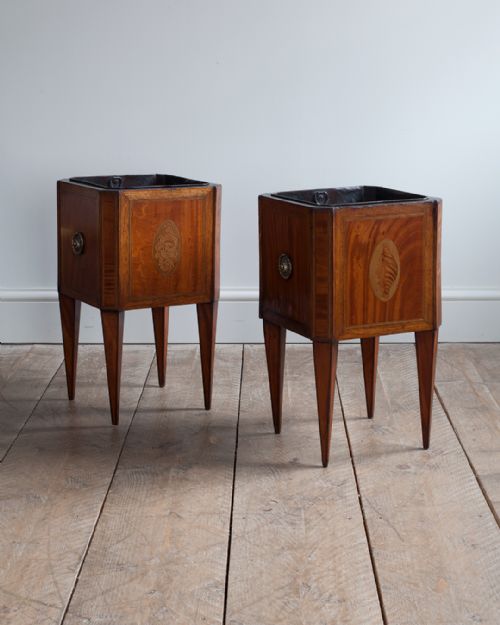
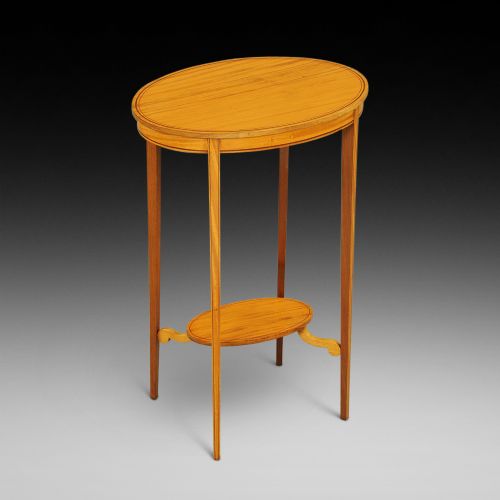
Forms vary from pairs of inlaid tables to small octagonal decorated pieces, oval kettle stands, and dedicated jardinières. You are most likely to encounter Victorian and Edwardian interpretations alongside George III examples, reflecting both Georgian restraint and later decorative exuberance.
These items frequently incorporate related forms such as side tables and occasional tables within their historic classifications. The physical evidence shows makers utilising specific shapes like octagonal and oval tops to create distinct visual silhouettes.
Materials and Construction
The primary material is satinwood, prized for its natural golden sheen and smooth grain, often augmented with contrasting timbers such as rosewood and boxwood for decorative inlay work. Secondary elements include paint, used to apply hand-painted ornamentation in the Neoclassical manner, alongside brass and other metals for structural or decorative details.
Cabinetmakers constructed these supports using traditional timber techniques, combining fine wood veneers and solid secondary woods. The integration of painted motifs and geometric stringing requires precise handwork, particularly on curved surfaces like oval kettle stands and octagonal occasional tables.
The listings span multiple eras from the 18th century through Georgian Revival, Victorian, and Edwardian periods, utilising satinwood, rosewood, paint, and brass.
Judging Quality and Craftsmanship
Quality in these pieces is dictated by the crispness of the inlay and the fidelity of the hand-painted details. Finer examples display meticulous botanical or classical motifs executed directly onto the golden wood, whereas simpler items rely solely on the natural grain.
The structural harmony of the piece separates standard production from superior cabinet work. Well-proportioned legs, tight joinery, and thoughtful integration of secondary timbers like rosewood and boxwood elevate the overall presence of the stand.
The Golden Satinwood Urn Stand Glossary
- Satinwood
- A hard, durable timber known for its lustrous, golden appearance that catches light from different angles. It forms the visual foundation of these tables.
- Jardinière
- A decorative pot or stand designed to hold plants or flowers indoors. In this context, it often shares a form with small side tables.
- Neoclassical
- A style drawing inspiration from classical antiquity, characterised by symmetry, restrained ornamentation, and painted classical motifs. It heavily influences the decoration on these stands.
- Kettle Stand
- A small, tall table historically used to hold a tea kettle over a spirit lamp. These typically feature compact tops and slender proportions.
- Inlay
- A technique where contrasting materials such as boxwood and rosewood are set into the surface of the satinwood to create decorative patterns.
Golden Satinwood Urn Stand: Frequently Asked Questions
How were these stands used historically?
These tables were utilised to display decorative urns, tea kettles, or indoor plants in prominent rooms of the house. Their compact size allowed them to fit easily into corners or beside seating.
They provided a stable, elevated surface that protected delicate flooring and allowed decorative art to be appreciated closely.
How do I live with a satinwood stand?
Living with these pieces involves placing them away from direct sunlight and extreme moisture to protect the golden satinwood finish and delicate painted details. They work well as lamp tables or plant stands in quiet corners.
Because of their historic nature, using coasters and gentle dusting cloths helps preserve the polished wood surfaces for daily enjoyment.
How can I tell the periods apart?
Differentiating periods relies on examining construction methods, decorative motifs, and the specific style of inlay used on the satinwood. 18th-century and George III examples often display restrained classical proportions.
Later Victorian and Edwardian pieces, including Sheraton Revival items, frequently feature more exuberant hand-painted decoration and varied timber combinations like rosewood and boxwood.