




Golden Oak Side Desk
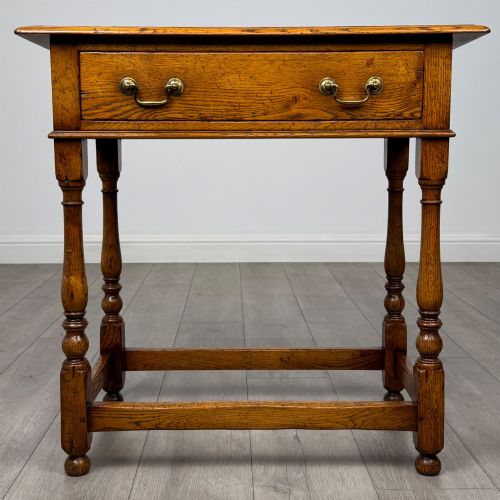
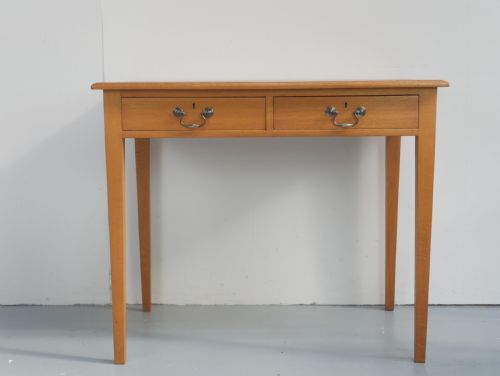
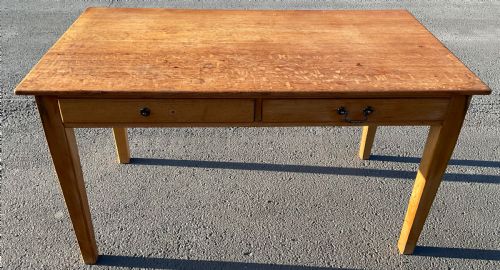
A golden oak side desk brings warmth and practical surface area to a room, spanning periods from the Regency era through to Art Deco.
Golden Oak Side Desk
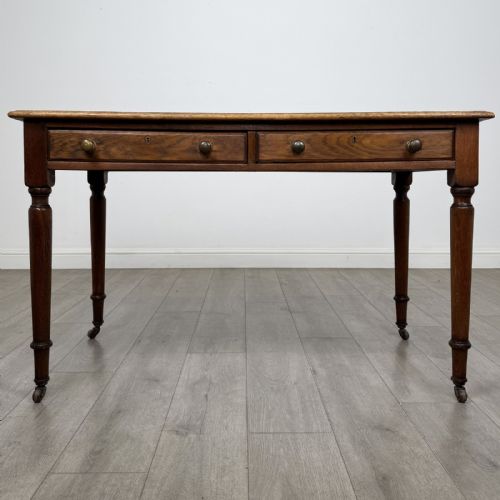
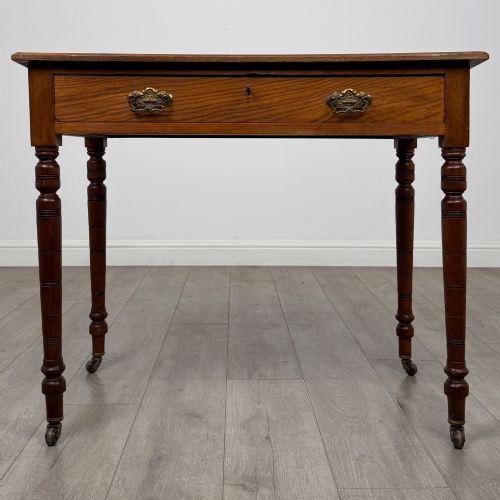
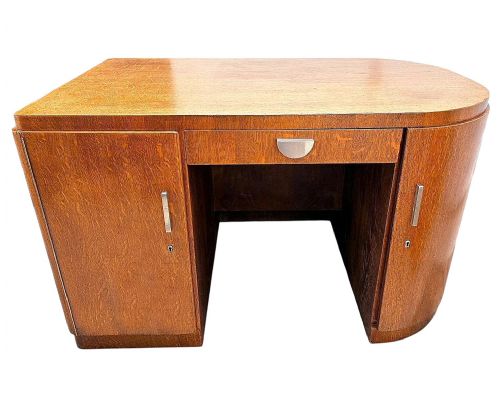
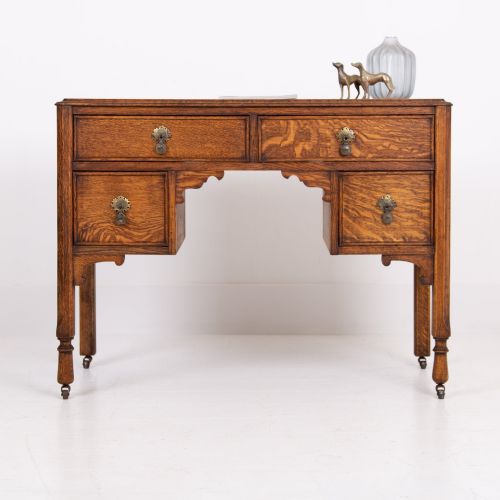
When you search for a golden oak side desk, you encounter pieces that function primarily as writing tables, console tables, and compact workspaces. These items emerge from various periods, including the Victorian era, the Edwardian years, and the 1930s.
The versions you meet most frequently on this page combine the sturdy utilitarian form of a side table with the warm grain of oak. They appear in diverse styles ranging from English Country and Arts and Crafts to Art Deco and Gothic Revival.
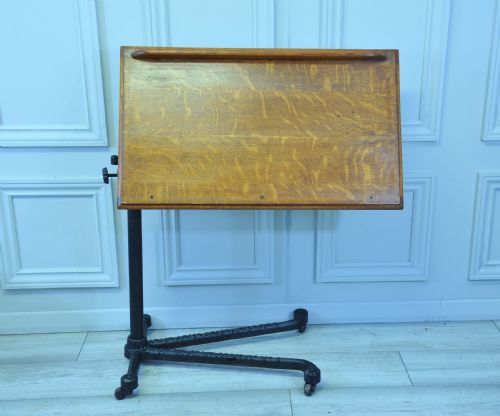
Makers often adapted these forms for specific domestic or commercial duties, resulting in writing tables, side tables, and pedestal partners desks. The golden hue of the timber remains a unifying characteristic across these differing historical design movements.
Materials and construction
Cabinet makers utilised solid oak and pollard oak to build the primary structures of these tables, frequently selecting timber with a warm golden tone. Secondary metals such as brass, iron, chrome, and steel appear in handles, hinges, and structural adjustments.
Materials recorded on this page range from standard oak and pollard oak to cast iron and leather.
Judging quality in oak furniture
The distinction between tiers of quality rests upon the selection of timber and the precision of the joinery. Finer pieces display carefully matched oak grain and thoughtful proportions, whereas simpler items prioritize basic utility over decorative refinement.
Hardware and secondary materials also indicate the standard of production. The use of solid brass fixtures and well-fitted leather inserts points to higher workshop standards compared to standard commercial manufacturing.
Carters Of London·Jenners
The Golden Oak Side Desk Glossary
- Golden oak
- A specific light-to-medium honey-toned finish and natural colour found in mature oak timber. This shade became particularly desirable in furniture produced during the late nineteenth and early twentieth centuries.
- Pollard oak
- Timber taken from trees that have been pollarded, creating a dense wood with a distinctive clustered grain pattern. It is often utilised for decorative veneers on high-status writing tables.
- Partners desk
- A large double-sided desk designed to accommodate two people sitting opposite one another. These pieces frequently feature drawers and cupboards on both longitudinal sides.
- Arts and Crafts
- A design movement valuing traditional craftsmanship and simple forms over mass production. Furniture from this style relies on the natural appearance of materials like oak.
- Gothic Revival
- An architectural and decorative style drawing inspiration from medieval forms. Pieces in this tradition often display pointed arches, heavy mouldings, and structural detailing.
Golden Oak Side Desk: Frequently Asked Questions
How do I date an oak desk?
Dating relies on observing construction methods, timber selection, and stylistic cues present in the piece. Cabinet makers changed their hardware choices and joint techniques across the nineteenth and twentieth centuries.
Examining secondary woods and handles helps place a table within a specific decade or broader period like the Edwardian era or the 1930s.
Were these desks used for writing?
Many of these pieces were specifically built as writing tables or bureaux to accommodate correspondence and administrative tasks. The integration of leather inserts provided a smooth, flat surface for ink and quill.
Other variants functioned more broadly as side tables or console surfaces in hallways and living spaces.
How do I care for golden oak furniture?
Maintaining oak furniture involves keeping timber away from direct heat sources and sudden humidity changes. Regular dusting with a soft cloth preserves the surface without building up excessive residues.
Leather inserts benefit from occasional conditioning to prevent drying and cracking over time.
What is the difference between a side table and a desk?
A side table generally offers a flat surface for display or general placement without dedicated storage for stationery. Desks incorporate drawers, pigeonholes, or specific writing surfaces designed for seated work.
Hybrid forms often bridge these definitions by providing shallow drawers beneath a compact tabletop.
Can I use an antique desk daily?
These tables were constructed from durable timbers like oak and designed for everyday domestic or commercial use. Their robust frames easily accommodate modern work habits and writing materials.
Ensuring the piece sits level and protecting leather surfaces will keep the furniture functional for ongoing daily tasks.