
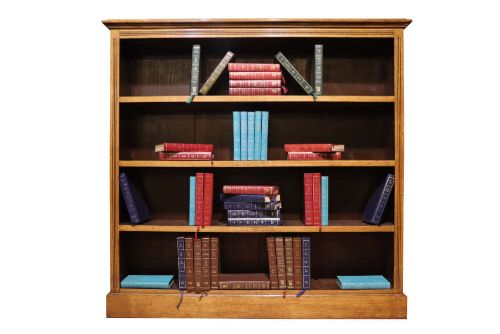
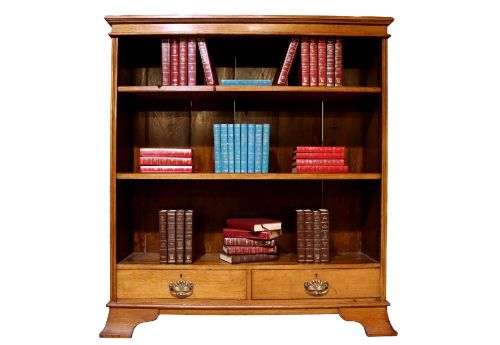


Golden Oak Display Unit
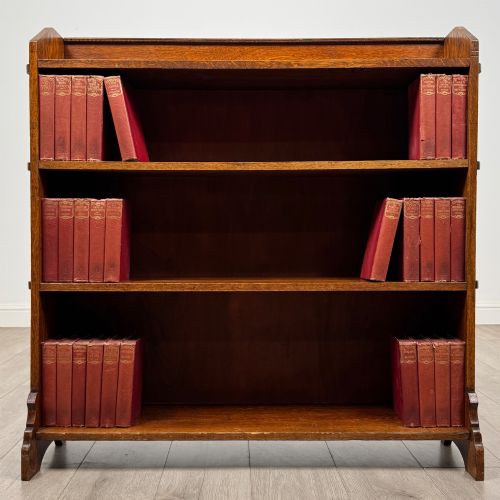
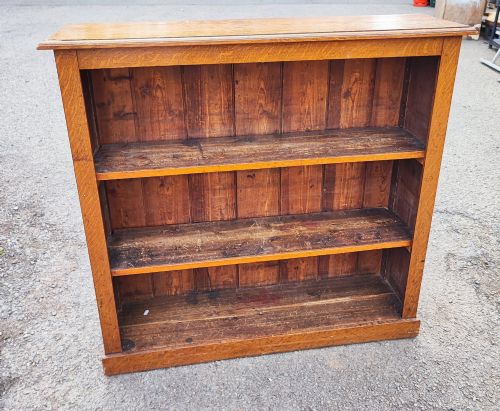
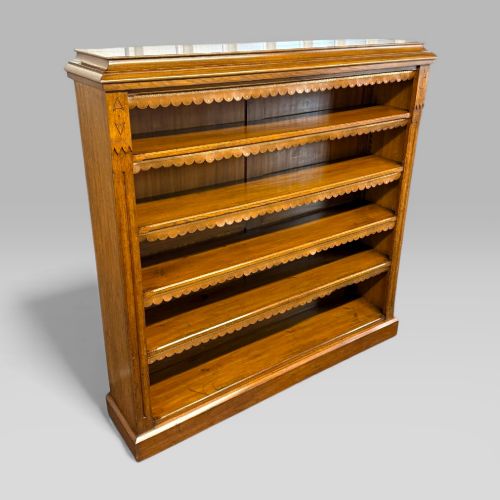
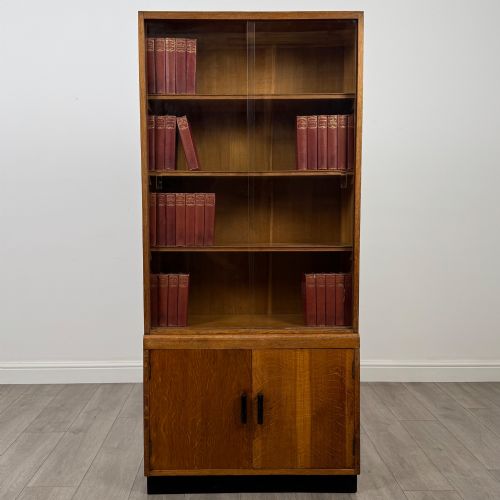
A golden oak display unit brings warmth and practical storage to a room, appearing in forms from Edwardian open bookcases to Victorian corner cupboards.
Golden Oak Display Unit
A golden oak display unit encompasses practical shelving and cabinet pieces designed to show and store books or objects. When searching for a golden oak display unit, buyers encounter items originating from the nineteenth and twentieth centuries, spanning periods such as the Victorian and Edwardian eras.
The selection on this page relies heavily on open bookcases, display cabinets, corner cupboards, and dressers. These pieces originate from distinct design movements including Arts and Crafts, Aesthetic Movement, and Art Deco.
Most items you meet date from the Edwardian period or the late nineteenth century. They utilise the warm, distinct grain of oak to anchor a room while providing functional display space.
How they were made
Construction techniques evolved across the periods represented, moving from traditional joinery in Victorian workshops to more streamlined production by the nineteen-twenties and nineteen-thirties. Cabinet makers incorporated adjustable shelves and fitted shop-fitting elements to meet specific domestic and commercial demands.
Listings feature oak combined with glass, brass, lead, and burr wood across periods from Victorian to the nineteen-thirties.
What varies in quality
Quality rests in the selection of the timber and the subtlety of decorative details, such as the choice between plain oak and burr wood veneers. Better pieces display refined joinery and thoughtful proportions that balance utility with the aesthetic aims of movements like Arts and Crafts.
The sophistication of hardware, including brass hinges and leaded glass work, separates standard utility furniture from finer examples. Structural integrity and original shelving mechanisms also determine the lasting standard of each piece.
Liberty & Co.
The Golden Oak Display Unit Glossary
- Golden oak
- A lighter, warm-toned finish or natural timber colour popular in late nineteenth and early twentieth-century furniture. It highlights the open grain of the wood.
- Open bookcase
- A piece of shelving furniture without doors, designed for easy access to books and display items. Many examples feature adjustable internal shelves.
- Corner cupboard
- A storage unit built with an angled back to fit neatly into the corner of a room. These often feature glazed or panelled doors.
- Aesthetic Movement
- A late nineteenth-century design style that prioritised visual beauty over narrative or moral function. It influenced cabinet making through simplified lines and artistic details.
- Shop fitting
- Furniture originally constructed for commercial retail environments rather than domestic use. These pieces often feature robust glazing and sturdy internal framing.
Golden Oak Display Unit: Frequently Asked Questions
What is a golden oak display unit?
A golden oak display unit is a piece of wooden furniture designed for storage and exhibition, typically featuring open shelves or glass panels. These items range from Edwardian open bookcases to Victorian corner cupboards and shop-fitting cabinets.
They utilise the bright, warm tones of oak timber to brighten interior spaces while offering practical storage solutions for books and decorative objects.
How do I date a golden oak piece?
Dating relies on observing construction methods, stylistic markers, and materials characteristic of specific periods like the Victorian or Edwardian eras. Pieces from the late nineteenth century often incorporate Aesthetic Movement or Arts and Crafts details.
Twentieth-century examples tend toward simpler lines, sometimes reflecting Art Deco or Mid-Century Modern design influences alongside traditional Edwardian forms.
Are shelves usually adjustable?
Many bookcases and display units from this selection include adjustable shelving to accommodate books of varying heights. This practical feature became increasingly common in late nineteenth and early twentieth-century cabinet making.
Checking the interior reveals the original peg or rack systems used to alter shelf heights safely.
How do I care for golden oak furniture?
Maintenance involves dusting regularly with a soft, dry cloth and avoiding placement in direct sunlight or near heat sources. Excessive temperature changes can cause the oak timber to dry out or split.
Occasional application of appropriate wax polish helps maintain the natural sheen of the golden oak finish without building up heavy residue.