



Golden Frame Art
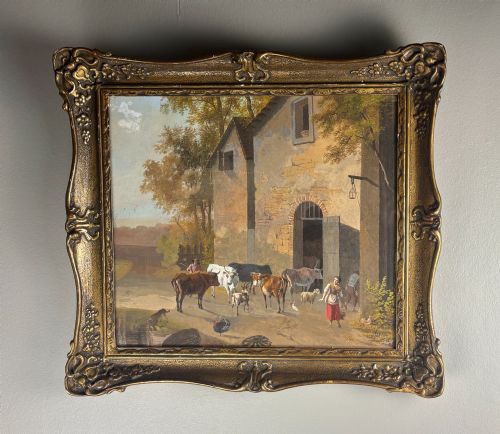
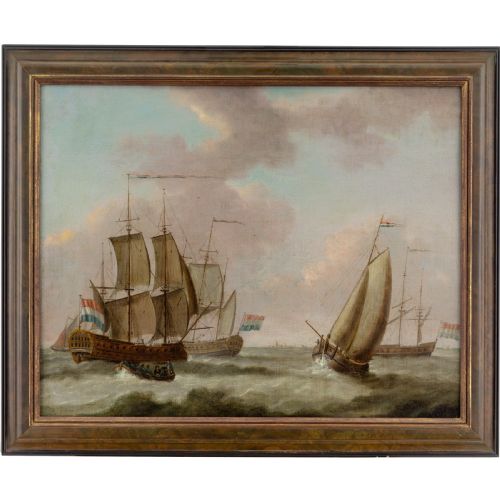
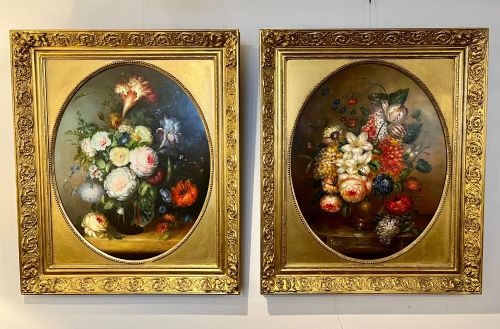
When you search for golden frame art, you are looking at oil paintings, prints, and maps held within period wooden surrounds.
Golden Frame Art
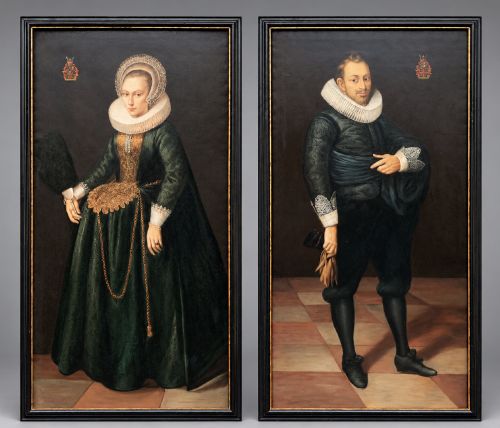
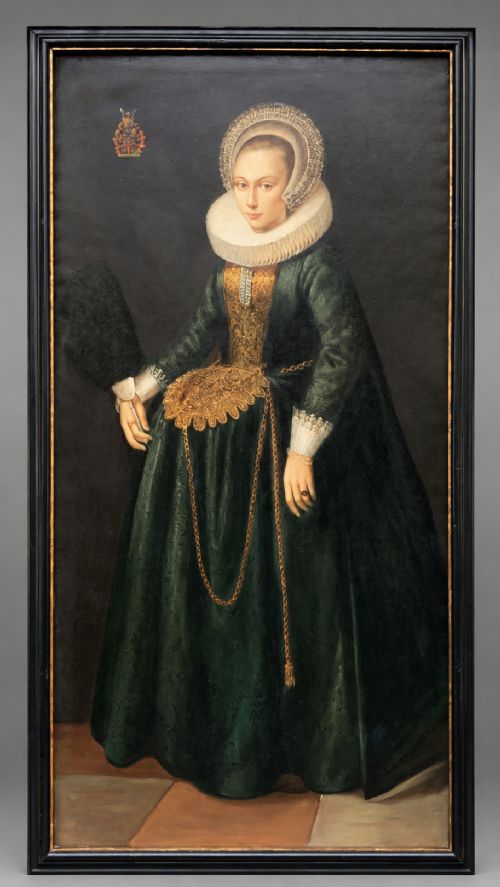
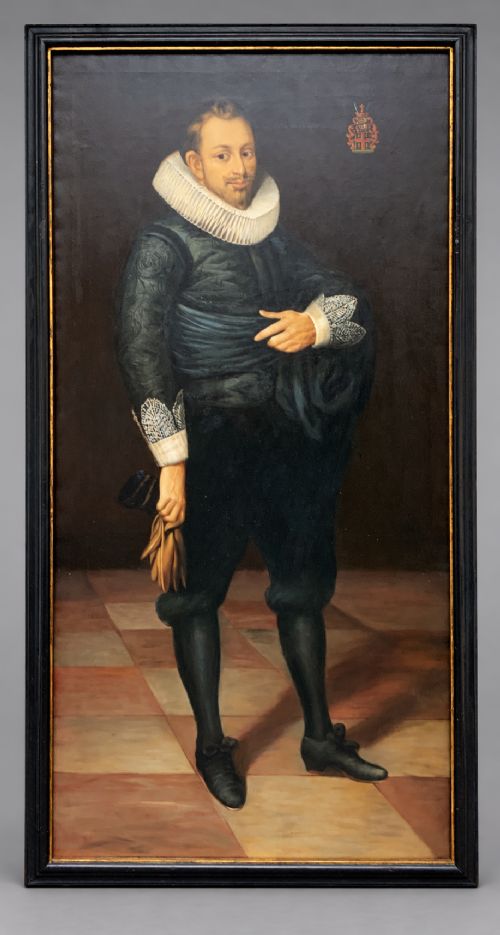
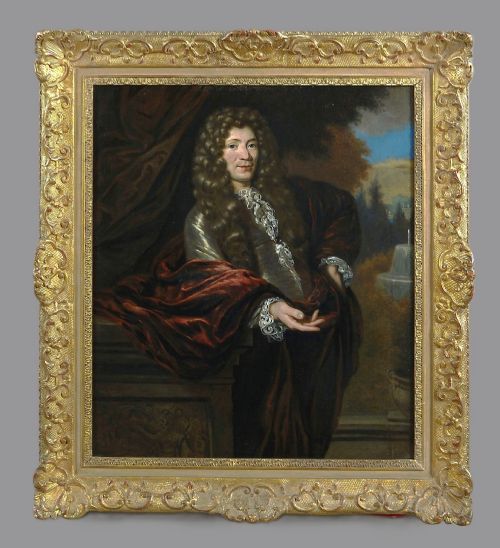
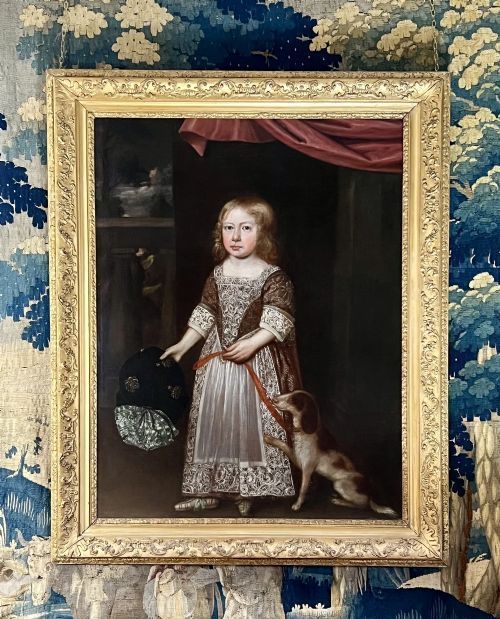
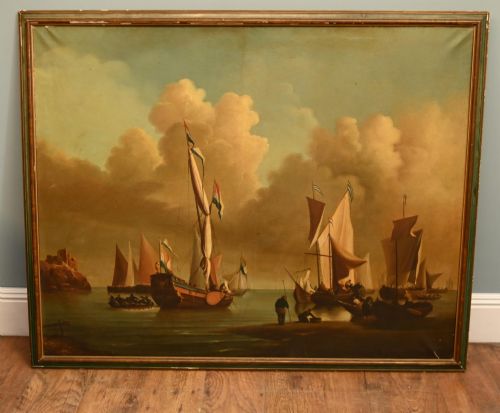
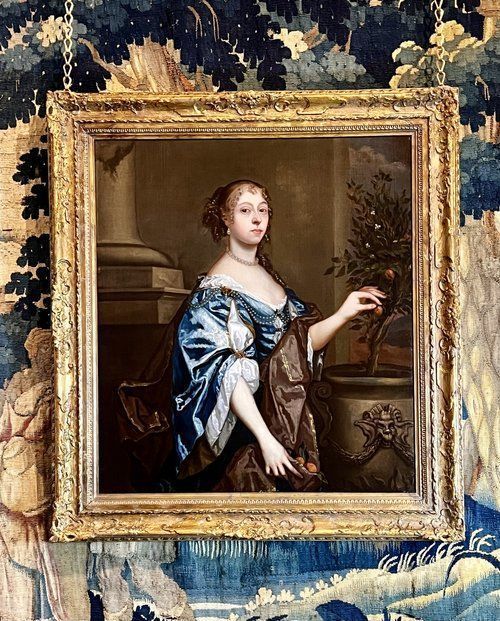
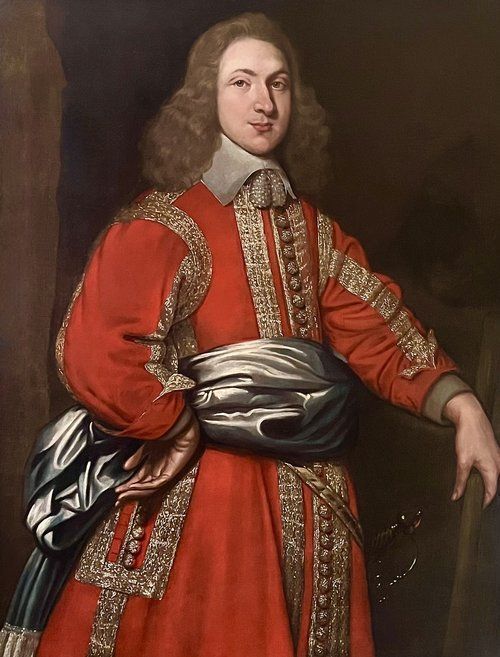
The most common pieces met on this page are seventeenth-century oil paintings on canvas or panel, often depicting nobility, military officers, or domestic scenes in the manner of the Dutch Golden Age. Alongside these historical works sit nineteenth-century interpretations, Edwardian watercolours, and Art Deco pieces.
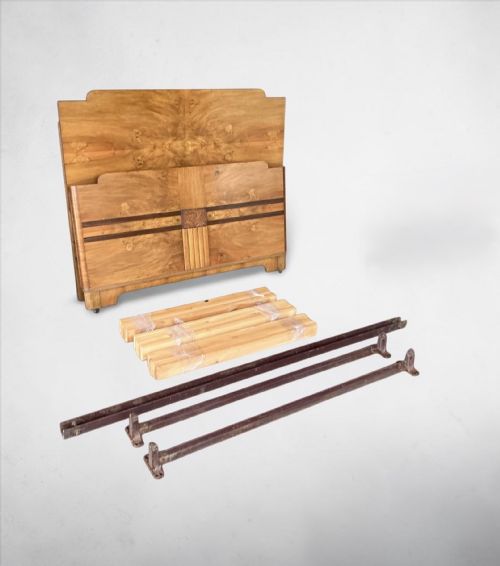
Beyond traditional canvases, the category embraces diverse forms including antique cartography, framed book prints, and occasional furniture items like beds that incorporate wooden framing. This mixture spans Flemish Baroque styles, Dutch Baroque compositions, and later nineteenth-century revivals.
Materials and construction methods
The physical objects rely on traditional supports such as canvas, wood panels, paper, and silk, upon which artists applied oil paint, gouache, watercolour, or ink. Canvases are stretched over wooden frames, whilst panels provide a rigid wooden base for older Dutch school paintings.
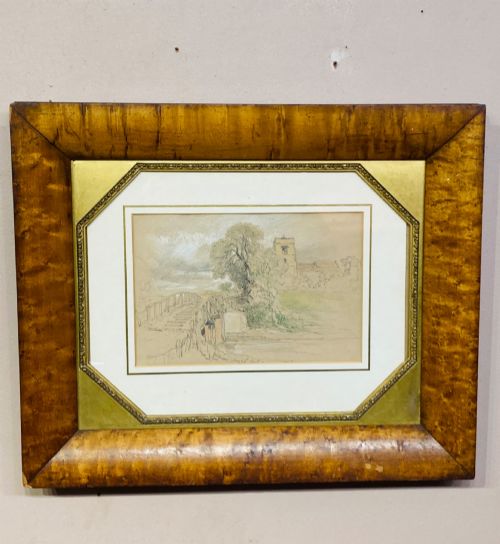
The surrounds themselves are constructed primarily from wood, frequently finished with gilt to produce the characteristic metallic lustre. Master craftsmen utilised carving, moulding, and gilding techniques to ornament the timber with decorative profiles suited to the period of the artwork.
Golden Frame Art Retail Price Guide 2026
Typical asking prices for golden frame art among the pieces listed under this phrase on Sellingantiques today, from the lower quarter to the upper quarter. They describe what is for sale here now, not the wider market.
The selection includes works from the 17th Century, Victorian era, Edwardian period, and the 1930s, utilising oil, paper, canvas, and giltwood.
Determining quality in these pieces
Quality separates through the dexterity of the brushwork and the fidelity of the composition, particularly visible in the rendering of facial expressions, textiles such as ruff collars, and natural light. Finer seventeenth-century and revival works demonstrate precise control over shadow and depth, whereas lesser examples rely on formulaic repetition.
The harmony between the artwork and its enclosure dictates overall success, as period-appropriate gilding and wood joinery elevate the presentation. The integrity of the original support, whether stable canvas or unwarped panel, also separates enduring masterworks from compromised examples.
Michiel van Musscher·Karel Dujardin·Constantyn Netscher·Pieter Borsseler·Johannes Lingelbach·Gaspar Peeter Verbruggen·Frans Hals·Godfried Schalcken·Warwick Goble
The Golden Frame Art Glossary
- Giltwood
- Wood that has been coated with gold leaf or gold paint. This finish creates the bright, reflective border characteristic of traditional framing.
- Oil on Canvas
- Pigment mixed with drying oil applied to a woven fabric support. This technique allows for rich colour blending and textured brushwork.
- Dutch School
- A collective term for artists working in the Netherlands during the seventeenth century. These painters focused on portraits, landscapes, and everyday life with high realism.
- Etching
- A printmaking process where acid cuts lines into a metal plate to hold ink. Artists use this method to produce detailed works on paper.
- Cartography
- The science or practice of drawing maps. Antique examples often feature decorative borders and Latin text within structured surrounds.
Golden Frame Art: Frequently Asked Questions
How do I identify a 17th-century oil painting?
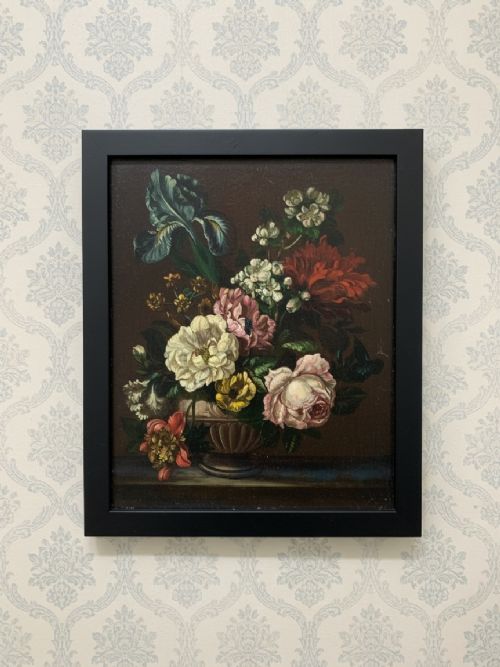
Seventeenth-century oil paintings typically employ wooden panels or heavy woven canvas supports, often featuring dark, rich palettes typical of the Dutch Baroque era. Subject matter frequently centres on formal portraits with detailed attire, maritime scenes, or still lifes.
Examination of the reverse often reveals aged timber, old collection labels, or hand-hammered nails. Canvas weave and preparation grounds also provide clues to the age of the physical support.
Are these frames original to the artwork?
Many historical artworks have been reunited with surrounds created during the same historical period, though replacement enclosures are common in the antique trade. Stylistic matching between the era of the painting and the moulding of the timber helps determine historical compatibility.
Signs of age on the wood, such as shrinkage cracks and worn gilding, indicate a long association with the piece. Close inspection of the rabbet reveals whether the artwork has occupied the space for generations.
How should I care for oil paintings on wood panels?
Paintings on wood panels require stable environmental conditions with controlled humidity to prevent the timber from warping or cracking. Keeping pieces away from direct sunlight and sudden temperature shifts preserves both the paint layer and the wooden support.
Dusting should be performed gently with a soft, dry brush without applying cleaning liquids. Professional conservation is recommended for any structural stabilization.
What is the difference between an etching and an oil painting?
An etching is a work on paper created through inked metal plates, resulting in fine, linear detail and monochrome or lightly tinted imagery. An oil painting utilises viscous pigmented oils built up in layers on canvas or panel, offering texture and full colour.
Etchings are generally housed behind glass for paper protection, whilst oil paintings on canvas remain open to the air within their surrounds.