






Gold Wood Panel
A gold wood panel brings together painted or carved surfaces and gleaming leaf, offering warmth and historical depth to an interior.
Gold Wood Panel
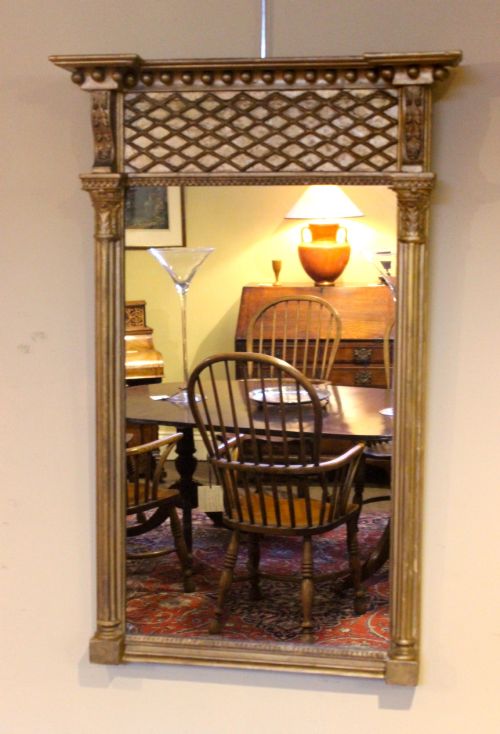
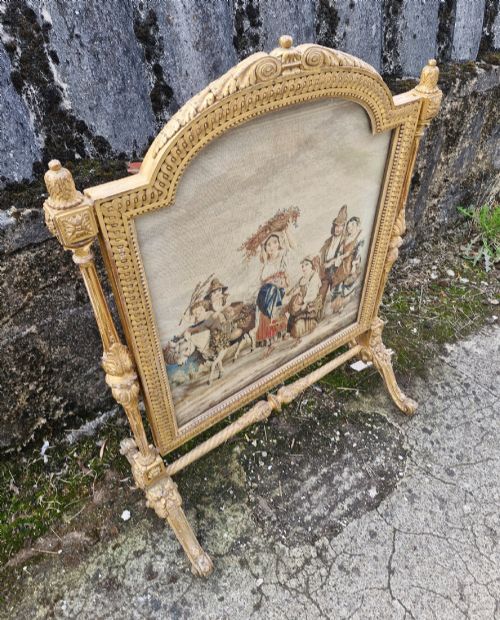
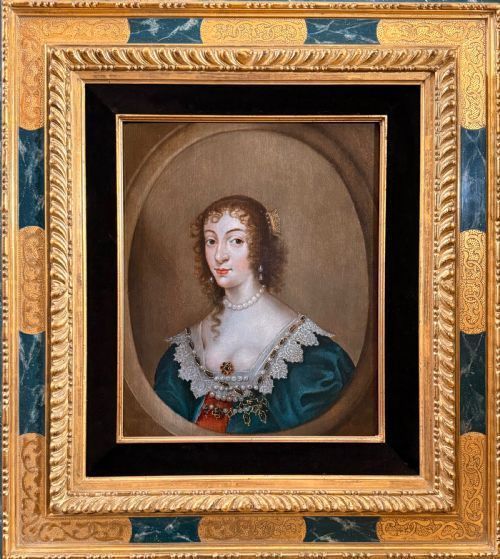
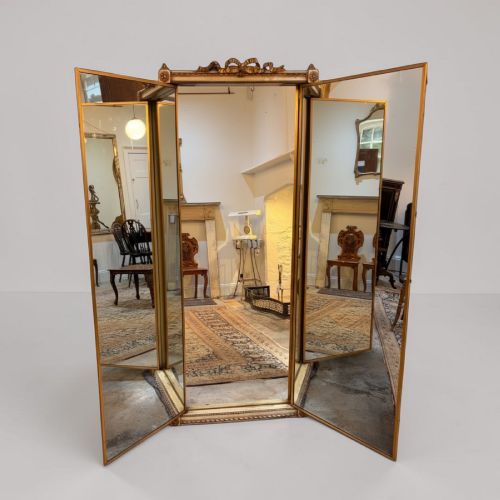
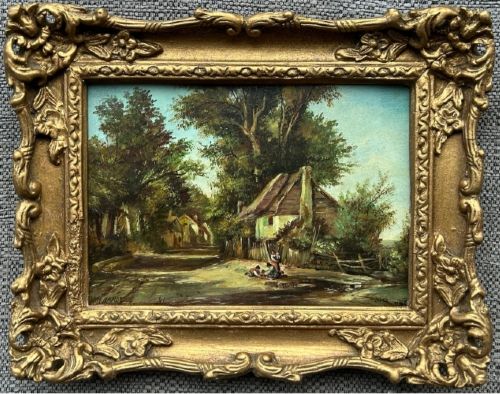
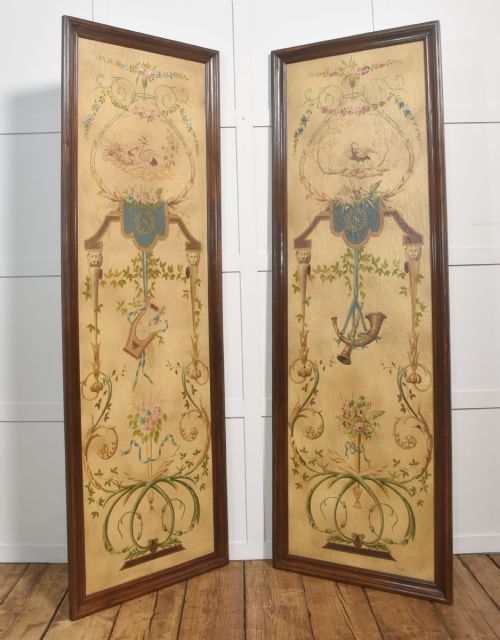
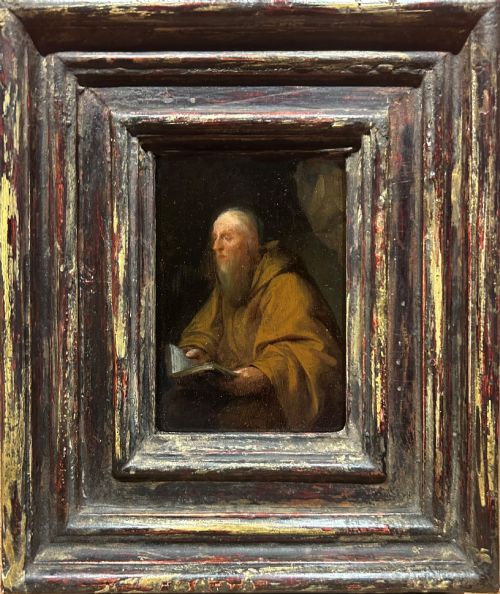
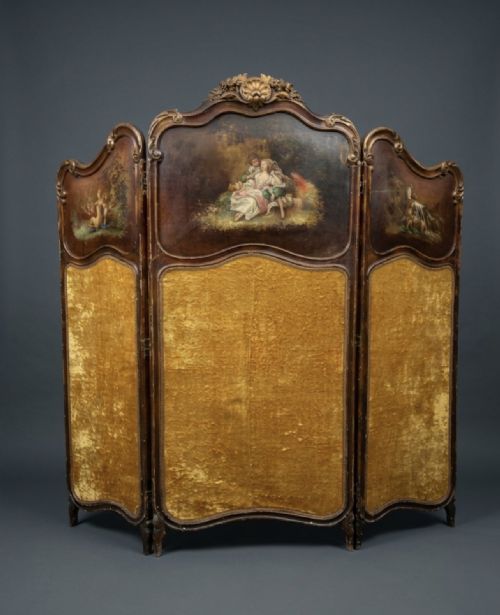
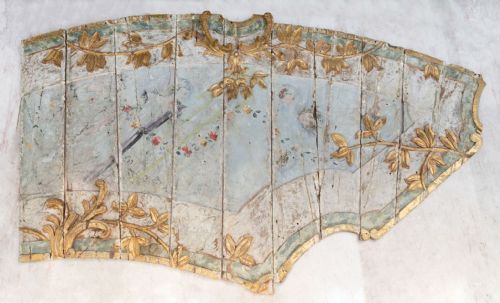
A gold wood panel combines timber supports with metallic leaf, paint, or carved detail, spanning forms from oil paintings to architectural mirrors, folding screens, and religious icons. When searching for gold wood panel, a buyer encounters everything from Victorian overmantels and French trumeau mirrors to Chinese carved temple plaques and 17th-century oil portraits.
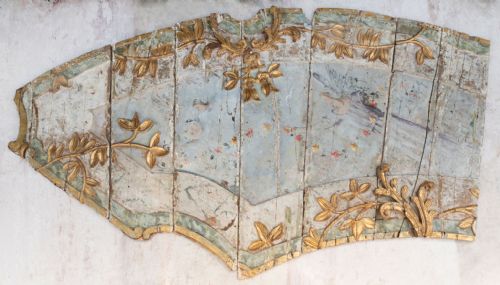
The objects stem from diverse origins, including British, French, Italian, Russian, and Chinese workshops, dating from the 17th century through the early 20th century. Painted panels on wood, giltwood frames, and decorative screens dominate the selection, each merging timber foundations with applied gilding.
How they were made
Makers constructed these pieces using solid timber panels, gesso grounds, and gold leaf, often finished with oil paint, polychrome, or eglomise glass. Artisans applied thin sheets of gold leaf over a prepared gesso layer on wood, burnishing the metal to achieve a reflective, luminous sheen.
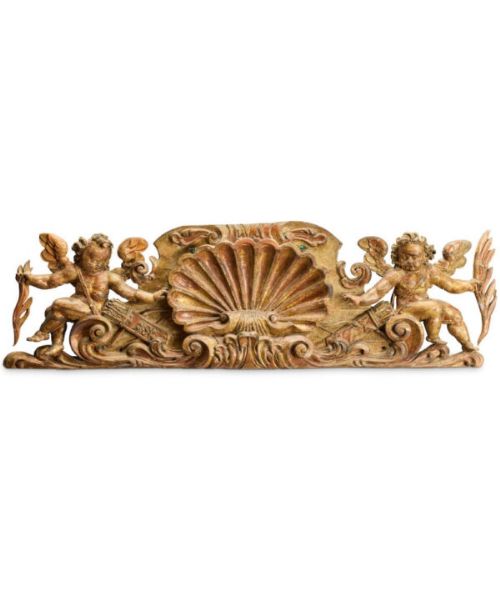
Carved elements utilised native and exotic woods, shaped with gouges and chisels before receiving layers of size, gesso, and gilding. Oil paintings on panel required seasoned wood supports treated with priming layers to receive fine brushwork in oil pigments.
Gold Wood Panel Retail Price Guide 2026
Typical asking prices for gold wood panel among the pieces listed under this phrase on Sellingantiques today, from the lower quarter to the upper quarter. They describe what is for sale here now, not the wider market.
Listings feature wood panels and mirrors from the seventeenth, eighteenth, nineteenth, and early twentieth centuries across European and Asian traditions.
What varies in quality
Quality rests in the crispness of the wood carving, the integrity of the original gesso and gold leaf, and the refinement of the painted or eglomise surface. Superior examples retain their original gilding without heavy overpainting or clumsy resurfacing.
The depth and detail of carved motifs, such as temple plaques or architectural pediments, distinguish master craftsmanship from mass production. Well-preserved panel paintings demonstrate careful preparation of the wooden support, preventing warping and stabilizing the paint layer over centuries.
Icilio Federico Joni·William Howard Hardy·Hans Temple·Paul Leon Jazet·William Etty
The Gold Wood Panel Glossary
- Giltwood
- Wood that has been coated with gold leaf or gold paint. This technique was widely applied to mirrors, frames, and architectural carvings.
- Gesso
- A plaster mixture used as a smooth base for paint or gold leaf on wood panels. It provides a bright, even foundation for gilding.
- Trumeau
- A decorative wall panel or mirror placed between windows. These often feature painted scenes or carved gilt wood details.
- Eglomise
- The process of applying cold painting and gold leaf to the rear face of glass. It creates a reflective, mirrored image with distinct depth.
- Triptych
- A picture or carving on three panels hinged together side by side. Many religious icons and vanity screens utilise this folding format.
Gold Wood Panel: Frequently Asked Questions
How do I hang a heavy gold wood panel?
Heavy panels and mirrors require secure wall fixings distributed evenly across the timber frame or backing. Fixing directly into wall studs ensures the weight is supported safely.
Professional mirror plates or heavy-duty brackets provide stability for large giltwood overmantels and carved screens.
How should I clean gilded wood surfaces?
Dust gilded surfaces gently with a soft, dry brush to prevent damaging the delicate gold leaf. Avoid liquid cleaners and chemical sprays, which strip historic finishes.
Water and commercial solvents can dissolve the underlying gesso and loosen the metallic leaf, leading to permanent loss.
Why do wood panels develop cracks?
Wood naturally expands and contracts with changes in room temperature and humidity. Fluctuations cause the rigid gesso and paint layers to craze or split over time.
Keeping pieces away from direct heat sources and dramatic climate shifts helps preserve the stability of the timber support.
What is an eglomise panel?
Eglomise involves applying gold leaf and hand-painted designs to the reverse side of a glass sheet. This creates a glossy, protected surface with a unique metallic glow.
Artisans frequently incorporated these glass panels into Regency pier mirrors and decorative wall furniture.