


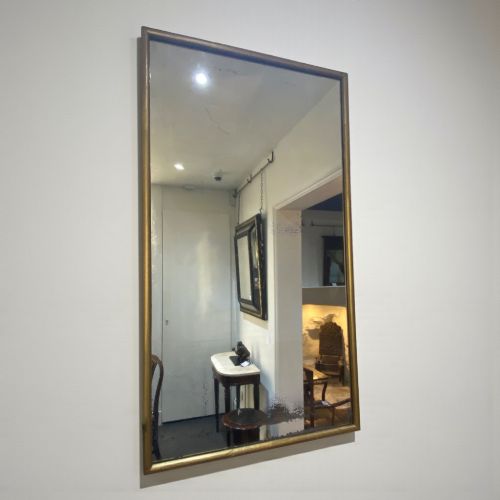
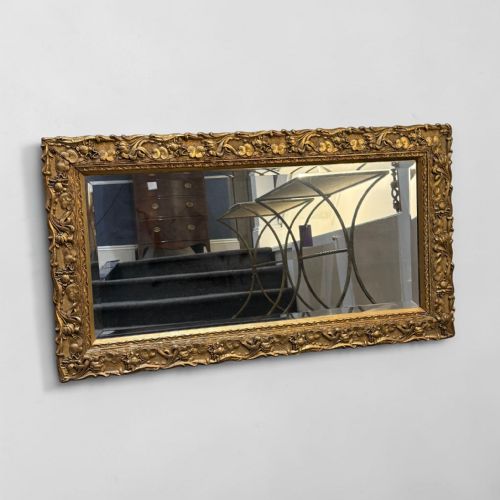
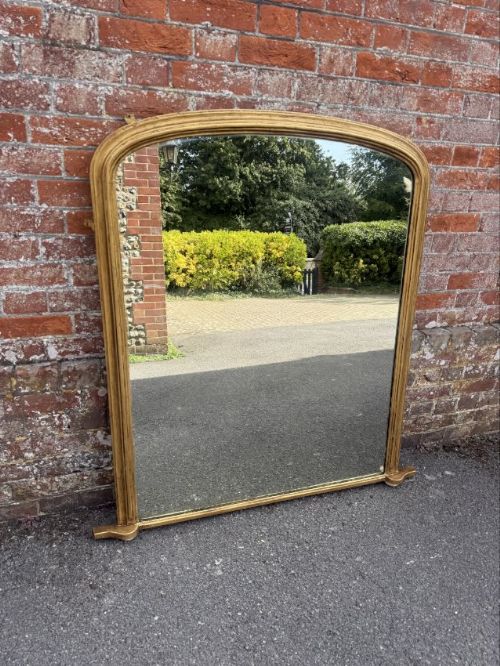
Gold Wood Frame
A gold wood frame provides the structural boundary and radiant finish that elevates mirrors, portraits, and panels across centuries of interior design.
Gold Wood Frame
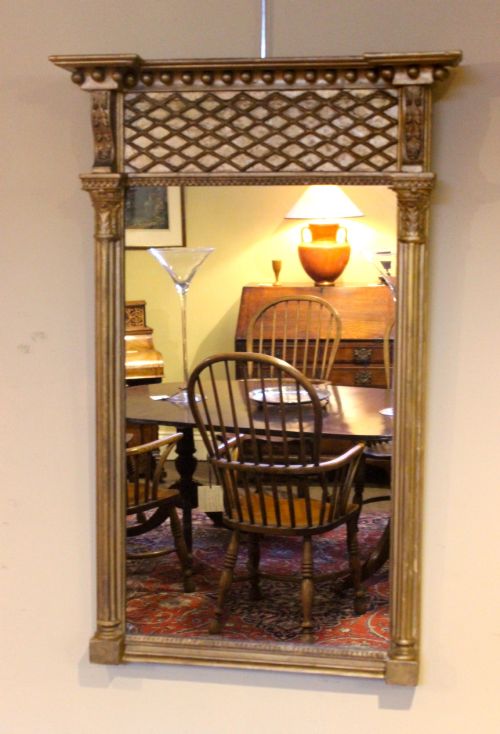
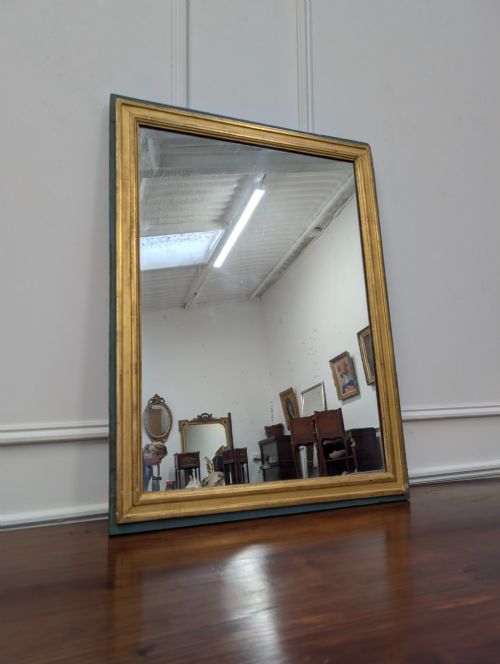
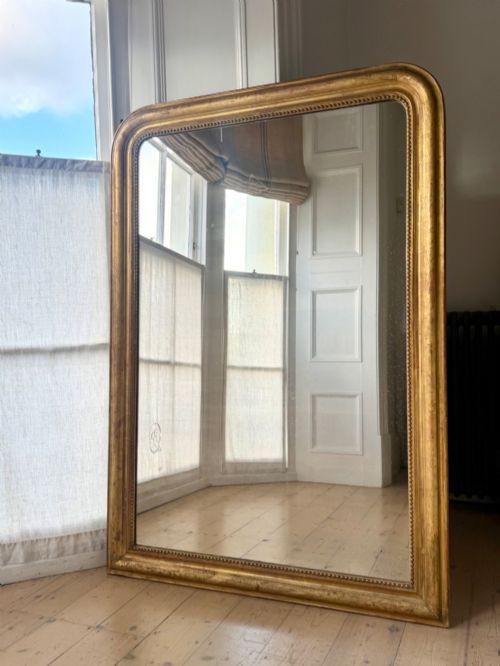
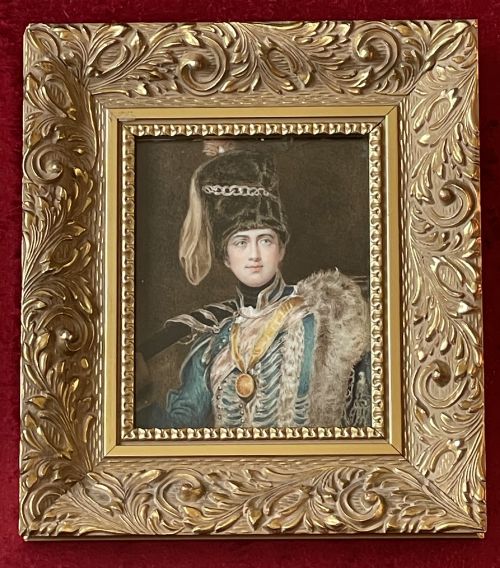
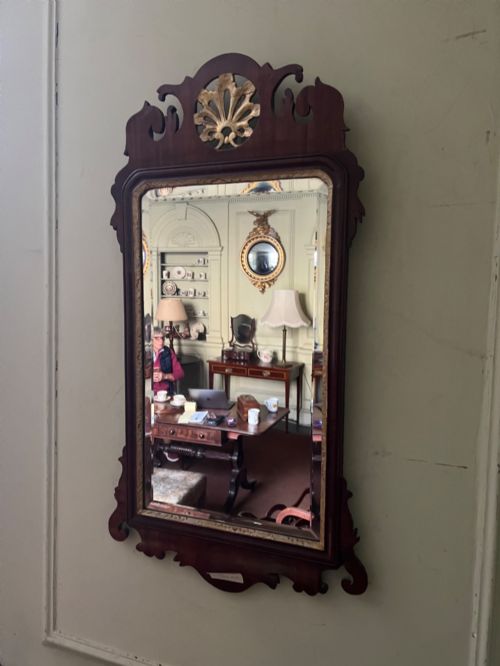
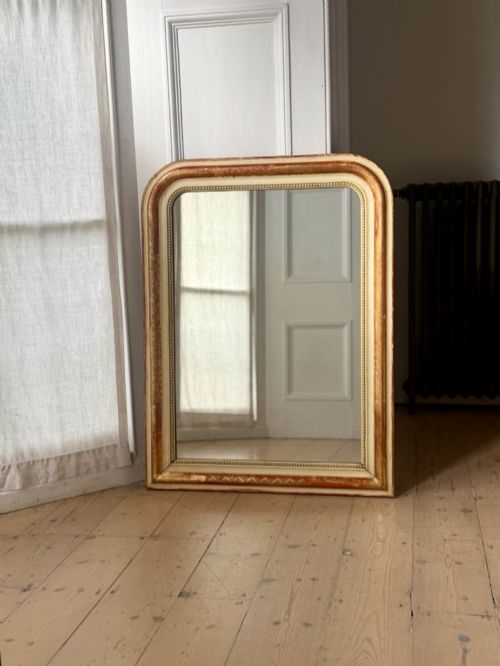
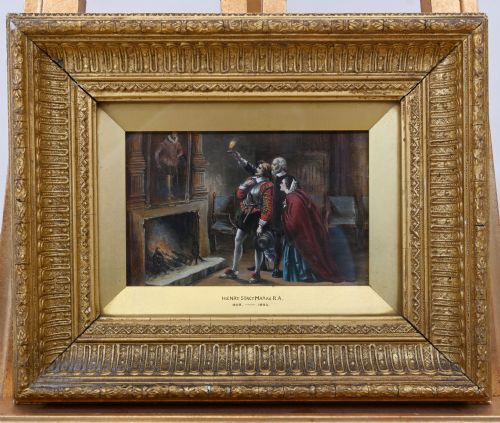
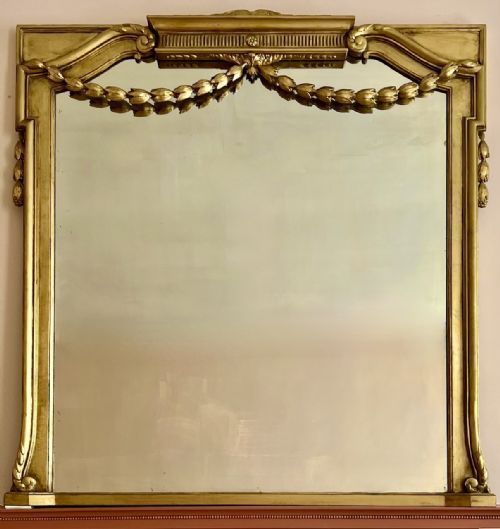
When buyers search for a gold wood frame, they encounter a diverse selection of antique furnishings designed to hold mirrors, oils, and canvas portraits. The inventory spans decorative picture housings, wall mirrors, and grand overmantel pieces from the seventeenth to the early twentieth century.
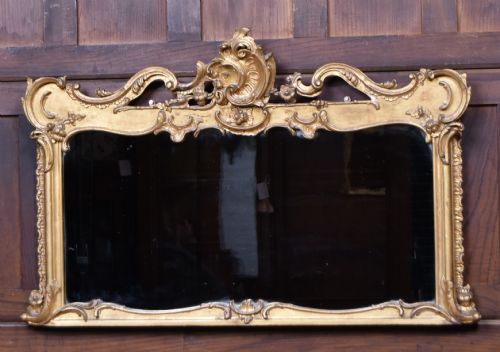
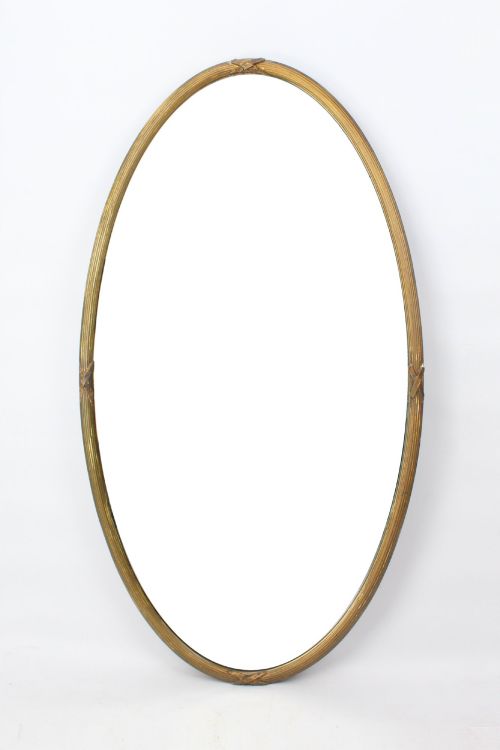
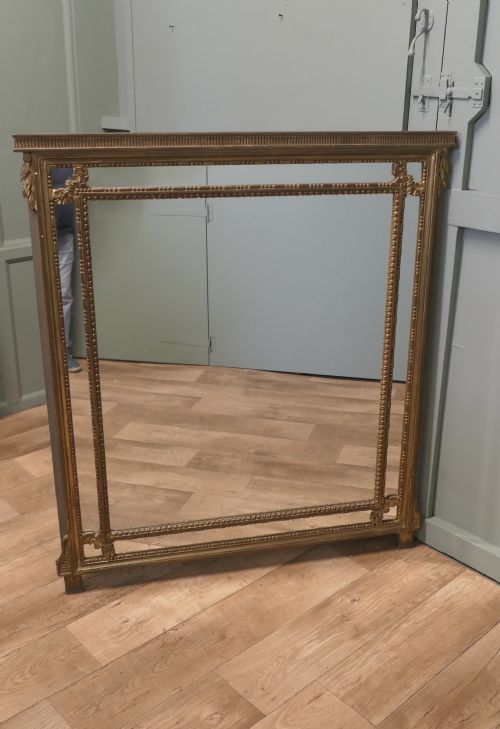
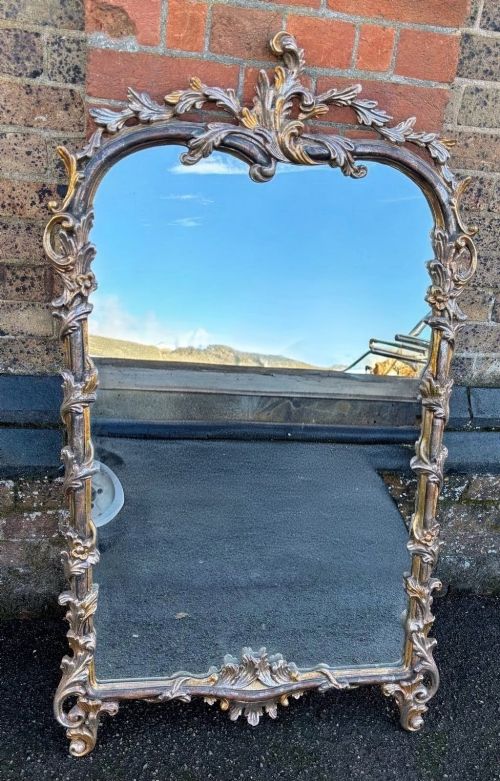
The objects frequently reflect distinct stylistic lineages, including French Louis XVI, Regency, Baroque, and Rococo aesthetics. Surviving examples encompass carved English overmantels, Venetian polychrome items, and deep fluted hollow picture surrounds.
Many entries integrate the timber support directly with applied decorative schemes, marrying structural joinery with ornate surface enrichment. These items serve both functional framing purposes and standalone decorative statements within period and eclectic interiors.
How they were made
Makers constructed the primary core of each object from seasoned timber such as oak or softwoods, shaping the foundational profile through carving or joinery. Artisans then applied layers of gesso - a mixture of chalk and binder - to the wooden substrate to create a smooth, responsive ground for subsequent ornamentation.
Gilders achieved the metallic finish by laying thin sheets of gold leaf onto the prepared surface, often utilising water gilding techniques that allowed for burnishing to a high sheen. Hand-carved wooden details and moulded gesso reliefs interact closely beneath the leaf, defining the characteristic play of light across each profile.
Gold Wood Frame Retail Price Guide 2026
Typical asking prices for gold wood frame among the pieces listed under this phrase on Sellingantiques today, from the lower quarter to the upper quarter. They describe what is for sale here now, not the wider market.
Some frames have spent centuries silently observing royal portraits, quiet pastoral scenes, and intense domestic chess matches.
What varies in quality
The distinction between ordinary and exceptional items lies in the crispness of the hand-carved wooden details and the depth of the underlying gesso ornamentation. Master craftsmen achieved sharp undercut foliage and precise geometric motifs that retain their definition beneath centuries of metallic leaf.
Surface preparation and gilding execution also dictate the visual standard of the object. Superior examples display meticulous application of gold leaf with burnished highlights that contrast effectively against matte recesses, whereas lesser pieces often show flat, uniform surfaces or coarse modern interventions.
Arsène Rochette of Versailles
The Gold Wood Frame Glossary
- Giltwood
- Timber that has been coated with gold leaf applied over a prepared gesso ground. This technique creates a rich, warm metallic surface characteristic of fine antique mirrors and picture surrounds.
- Gesso
- A fine plaster mixture composed of chalk, gypsum, and glue used to coat wooden frames. It provides a smooth surface that artisans could carve, stamp, and gild.
- Overmantel
- A large mirror or painting designed specifically to hang on the wall directly above a fireplace mantel. These pieces often feature grand architectural proportions and shaped tops.
- Water gilding
- A traditional method where gold leaf is applied to a wet clay base called bole. This allows the artisan to polish the gold to a mirror-like shine using a burnishing stone.
- Fluted hollow
- A decorative architectural moulding profile featuring concave grooves running parallel along the length of the frame. It adds linear rhythm and visual depth to the border.
Gold Wood Frame: Frequently Asked Questions
What periods do these frames represent?
The selection encompasses pieces originating from the seventeenth century through to the early twentieth century. Key historical eras represented include the Regency, Baroque, and Victorian periods.
Craftsmanship evolved across these centuries, transitioning from heavy carved wooden profiles to refined neoclassical designs and elaborate revival styles.
How were these frames used originally?
These items served primarily to protect and enhance important oil paintings, portraits, and wall mirrors within grand residences. Overmantel variations were specifically built to anchor the visual space above domestic fireplaces.
In addition to functional holding duties, they acted as prominent indicators of status and taste, reflecting the architectural fashions of their respective eras.
How do I live with a giltwood frame?
Placing these items in rooms with stable humidity and away from direct sunlight protects the delicate gesso and gold leaf surfaces. Regular dusting with a soft, dry brush maintains the finish without moisture damage.
Their metallic warmth allows them to complement both traditional period interiors and modern minimalist settings as focal wall art.
How do I distinguish between different styles?
Style identification relies on examining the specific ornamentation and overall silhouette of the timber and gesso work. Rococo examples display asymmetrical, flowing scrollwork, while Louis XVI and neoclassical pieces favour symmetry, straight lines, and classical motifs.
Consulting the listed period and construction materials provides further context for dating an individual piece accurately.